
Pseudoclitocybe
Pseudoclitocybe
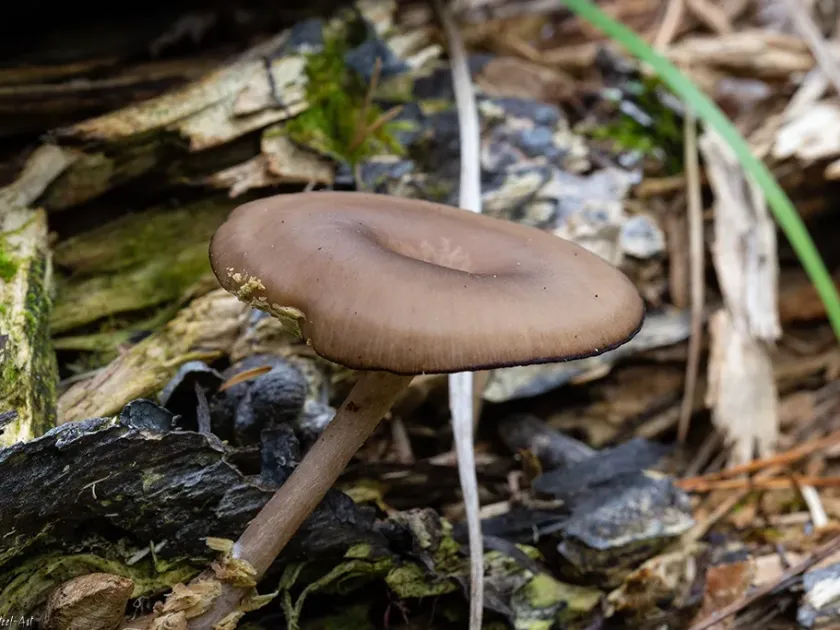
Description
Pathogen
The genus Pseudoclitocybe consists of saprotrophic basidiomycetes that thrive on decomposing organic matter in soil and leaf litter.
These organisms do not infect healthy plant tissue but act as active decomposers, playing a significant role in forest and garden ecosystems.
The mycelium network of these fungi is extensive and can persist in the soil profile for several seasons, waiting for optimal moisture levels.
The pathogenic aspect is minimal, but the presence of these fungi often serves as an indicator of an imbalanced soil micro-ecosystem.
Reproduction occurs through basidiospores that are distributed via wind, making the fungus highly mobile in diverse agricultural environments.
Conditions for development
Development of Pseudoclitocybe is primarily driven by high soil moisture content and cool environmental temperatures, typically during autumn.
Poor drainage and low light exposure in sheltered areas are the most frequent environmental factors that favor fungal proliferation.
These fungi show a preference for acidic substrates, where they can outcompete other microorganisms in the decay of plant matter.
The accumulation of uncomposted organic mulch creates an ideal microhabitat for the fungus to establish its vegetative colonies.
High humidity and poor ventilation within the root zone are essential for the production of macroscopic fruiting bodies on the soil surface.
Why it matters
The primary concern associated with Pseudoclitocybe is its competition with beneficial rhizosphere microorganisms for space and nutrients.
Significant mycelial growth can lead to soil compaction, which restricts oxygen flow to the roots of cultivated plants.
In decorative gardens and lawns, the appearance of these mushrooms can result in unsightly spots and uneven patches of growth.
Although they are not plant parasites, they can disrupt the symbiotic relationships between plant roots and mycorrhizal fungi, reducing growth vigor.
Large colonies can deplete soil organic carbon and change the nutritional profile, indirectly affecting the yield of sensitive crops.
Protection
Effective management focuses on improving soil aeration and adjusting moisture levels to prevent the accumulation of stagnant water.
Removing decaying plant debris and properly composting organic waste are essential steps to limit the food supply for the fungus.
Liming the soil to increase pH levels is an effective strategy to make the habitat less suitable for Pseudoclitocybe survival.
Regular cultivation and loosening of the topsoil layers help destroy established mycelium and speed up the drying of the substrate.
Biological soil management and the introduction of beneficial bacteria can help outcompete saprotrophic fungi, promoting a healthier soil environment.
Discussion
No discussions yet — be the first.