
Proliferodiscus pulveraceus
Proliferodiscus pulveraceus
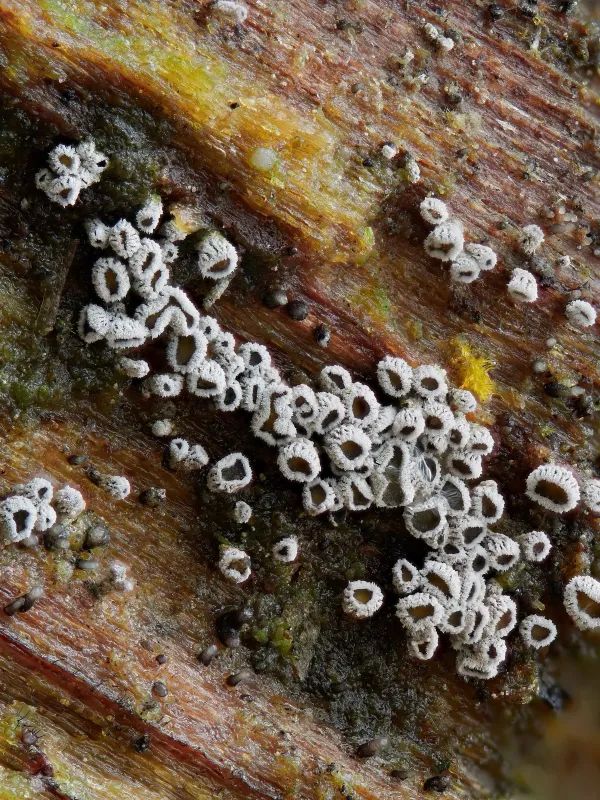
Description
Symptoms
The initial visual signs include the emergence of small, light-colored, powdery structures on the bark surface. These are clusters of apothecia that may form dense mats as they mature.
Affected bark areas often undergo visible changes, including discoloration and increased fragility. Over time, these areas develop into necrotic zones, which are clearly distinct from the surrounding healthy bark tissue.
Local detachment of the bark from the cambium is a common observation. This disconnection disrupts the plant's nutrient transport, leading to the gradual dieback of affected branches or trunk sections.
Microscopic inspection of the diseased bark often reveals fungal hyphae penetrating the wood fibers. The presence of specific ascospores within the fruiting bodies is the definitive diagnostic feature for this species.
In advanced stages of infection, the powdery coating becomes more pronounced. This indicates an active phase of sporulation, which often results in the spread of the fungus to adjacent parts of the tree.
Pathogen
Proliferodiscus pulveraceus is an ascomycete fungus within the order Helotiales. It is primarily known as a saprotrophic or weakly parasitic pathogen that targets the bark of weakened or dead broad-leaved tree species.
The fungus is biologically characterized by the production of apothecia, which are cup-shaped fruiting bodies that emerge from bark fissures. These structures are often covered in fine, powdery granules, giving the fungus its distinctive appearance.
The life cycle of the pathogen is highly sensitive to environmental moisture. The mycelium can remain in a dormant state for extended periods, waiting for suitable conditions to initiate the massive release of spores.
Reproduction is facilitated by microscopic ascospore dispersal, which occurs via wind and rain splashes. These spores are capable of germinating even on bark surfaces with minimal moisture availability.
The pathogen demonstrates significant survival plasticity across various temperate climates. Its ability to persist on dead organic matter ensures that the infectious potential remains high throughout the growing season.
Conditions for development
The most active development of the fungus occurs during spring and autumn when humidity remains consistently high. Foggy weather and prolonged rainfall create the ideal moisture levels for spore germination.
Optimal growth temperatures for this pathogen range from +15 to +22 degrees Celsius. During this thermal window, the metabolic processes and the development of fruiting bodies reach their peak.
Trees with pre-existing mechanical damage or those weakened by other pests are at the highest risk of colonization. Wounds in the bark provide easy entry points for fungal hyphae to access the inner tissues.
Poorly ventilated stands with high density allow for localized humidity buildup. This microclimate facilitates the rapid spread of the disease from infected trees to their healthy neighbors.
Accumulations of deadwood or forest litter serve as a critical reservoir for the pathogen. In urban or park settings, neglected maintenance practices promote the continued presence of the fungus.
Why it matters
The primary damage caused by Proliferodiscus pulveraceus is the degradation of the tree's protective bark layer. This loss of physical integrity opens the tree to secondary infections and opportunistic pathogens.
Chronic infection results in reduced tree vitality, manifesting as stunted growth and thinning of the crown. The tree loses its capacity to recover from environmental stresses like drought or heavy winds.
In timber production, the presence of this fungus lowers the quality of the wood. The structural changes in the bark and underlying tissues significantly reduce the technical utility of the affected logs.
In ornamental landscaping, trees affected by the fungus lose aesthetic value, often necessitating costly tree removal or intensive sanitation efforts to ensure public safety in high-traffic areas.
Massive outbreaks can negatively impact local ecosystems by weakening vulnerable tree species. This potential for spread underscores the importance of monitoring in susceptible forest and park populations.
Protection
Sanitation pruning is the most critical control measure. Removing affected branches significantly lowers the inoculum pressure within the immediate environment and prevents further spread.
Regular maintenance, including the removal of dead or loose bark, can help disrupt the life cycle of the fungus by eliminating the substrate necessary for its reproductive structures.
All pruning cuts should be sealed with appropriate wound dressings or antiseptic pastes. This simple step prevents spores from colonizing the newly exposed inner tissues of the tree.
In high-risk situations, the application of copper-based fungicides can suppress fungal growth. These treatments are most effective when applied during the early stages of infection or at the start of the season.
Maintaining high horticultural standards, such as adequate watering and soil fertility, boosts natural tree resistance. A healthy, vigorous tree is significantly better at limiting the advancement of fungal infections.
Discussion
No discussions yet — be the first.