
Pear dieback
Potebniamyces pyri
Description
Symptoms
The primary symptom of pear dieback is the appearance of sunken, brownish-red to dark patches on the bark of branches or the main trunk. These patches often contrast sharply with the healthy bark surface.
As the infection progresses, the bark in the affected areas dries out, cracks, and eventually peels away, exposing the underlying wood to further decay and pathogen entry.
Small, dark, cushion-like fruiting bodies of the fungus emerge through the epidermal layer of the bark. These are often visible to the naked eye, particularly in high-humidity conditions following spring rains.
The branches above the site of infection exhibit wilting and necrosis, eventually leading to dieback. If the infection circles the branch, the portion beyond the lesion will die completely.
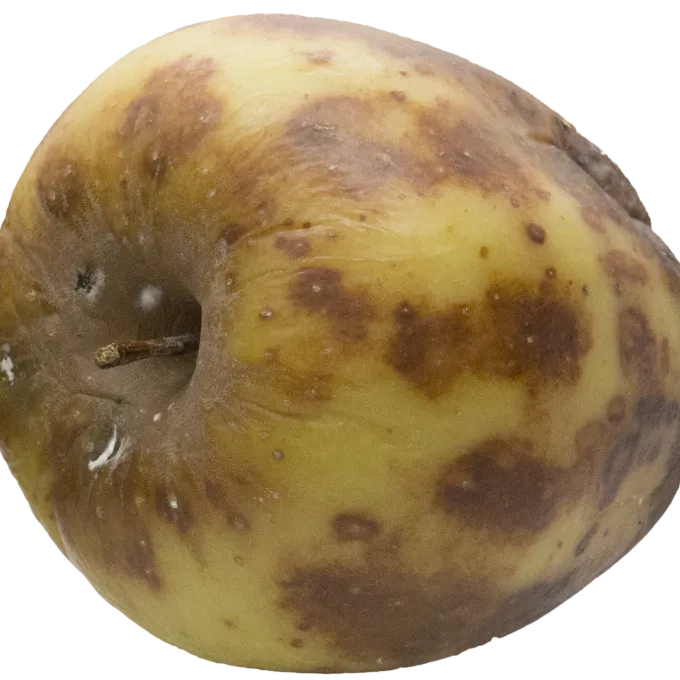
Fruit infection manifests as circular, brown, soft spots that enlarge rapidly. Infected pears often remain on the tree, becoming mummified and serving as a reservoir for the fungus until the following season.
Pathogen
The disease is caused by the ascomycete fungus Potebniamyces pyri (the anamorphic stage is known as Phacidiella pyri). It is a persistent parasite that primarily infects the bark and twigs of pear trees.
The fungus overwinters within the infected bark and wood tissue as mycelium and fruiting bodies. As spring arrives, it produces spores that serve as the primary source of infection for new growth.
Dissemination occurs via conidia, which are splashed by raindrops or carried by wind currents. Initial infection usually takes place during the early stages of the growing season when environmental humidity is high.
Once the fungus colonizes the tree tissue, it forms necrotic lesions that can girdle branches. The pathogen is particularly adept at establishing itself in trees that have already suffered from environmental stress or physical wounds.
In addition to conidia, the fungus produces apothecia. These sexual fruiting bodies ensure the survival of the pathogen over several years, making long-term sanitation a critical component of orchard management.
Conditions for development
High relative humidity and frequent rainfall are the most important environmental factors for the spread of Potebniamyces pyri. Rainy springs provide the moisture necessary for spore germination and infection.
The fungus thrives within a temperature range of +15°C to +22°C. These temperatures coincide with the period of rapid shoot growth, making the trees particularly vulnerable during the spring months.
Orchards with poor ventilation due to lack of pruning or overcrowding create a microclimate that keeps foliage and bark damp for extended periods, significantly increasing infection rates.
Physical injuries resulting from frost cracks, sunscald, or improper pruning serve as entry points for the pathogen. Healthy, intact bark is significantly more resistant to initial fungal colonization.
Excessive use of nitrogen fertilizers creates lush, succulent growth that is more susceptible to fungal penetration. A balanced fertilization program helps maintain the natural structural integrity of the tree bark.
Why it matters
Pear dieback poses a significant threat to orchard productivity and tree longevity. Chronic infections can lead to the slow decline and eventual death of individual trees if left unmanaged.
The disease causes direct fruit loss, rendering the crop unmarketable due to lesions and premature rotting. Furthermore, contaminated fruit that remains in the orchard continues the infection cycle.
Damage to the skeletal structure of the tree forces heavy pruning, which reduces the canopy size and, consequently, the yield potential for several subsequent growing seasons.
Financial losses stem from both the reduction in marketable yield and the increased costs associated with repeated fungicide applications and intensive labor for pruning and tree care.
- Reduced overall orchard lifespan.
- Economic loss due to spoiled fruit quality.
- Risk of entire tree death if major limbs are girdled.
Protection
Rigorous sanitation is the cornerstone of management. Infected branches must be pruned away, with cuts made well into healthy tissue, and the removed debris must be destroyed to prevent spore release.
Applying copper-based fungicides before the buds break in early spring is a proven method to minimize the primary inoculum and protect vulnerable tissues during the initial growth phase.
Wounds on the trunk should be scraped clean until healthy tissue is reached, disinfected with copper sulfate, and sealed with pruning paint or a suitable wound dressing to prevent infection.
Good orchard management, including proper canopy training to ensure air circulation and balanced nutrient management, helps the tree maintain natural resistance against fungal attacks.
Controlling insect pests that damage the bark is vital, as these insects not only weaken the tree but also create the physical openings that the fungus exploits to establish a foothold.
Discussion
No discussions yet — be the first.