
Spirea powdery mildew
Podosphaera spiraeae
Description
Symptoms
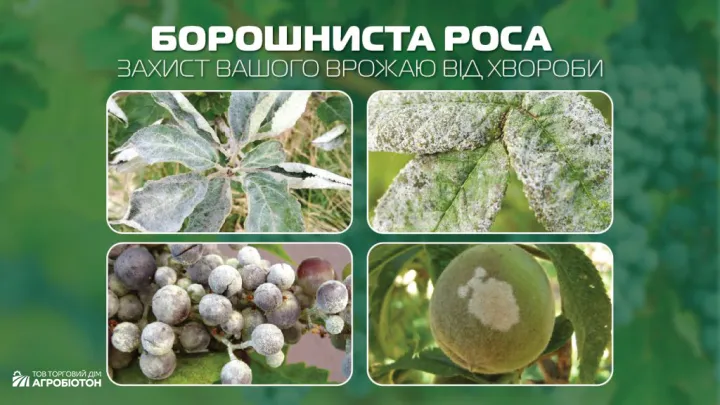
The most recognizable symptom is the appearance of a white, powdery fungal growth on the surfaces of young leaves, tender stems, and flower buds. This growth consists of mycelium and chains of conidia.
As the infection progresses, the white patches may turn greyish or brownish. Small, black, pinhead-sized structures (chasmothecia) may become visible within the fungal mat as the season advances.
Affected leaves often curl, distort, and become chlorotic before turning necrotic and drying out. Growth of shoots is severely stunted, and they may appear twisted or deformed due to the parasite's influence.
Flowers are also susceptible; infection can cause buds to fail to open properly, or if they do open, the blooms may be marred by fungal growth, discoloration, and premature abscission.
Severe infestations lead to general plant decline, characterized by sparse foliage, reduced vigor, and a significantly diminished aesthetic appeal of the shrub.
Pathogen
The disease is caused by the fungus Podosphaera spiraeae, a member of the Erysiphaceae family. This pathogen is highly specialized and primarily affects shrubs belonging to the Spiraea genus.
The fungus exists as an ectoparasite, developing mainly on the surface of host plant tissues. It produces a dense mycelial mat and specialized structures called haustoria that penetrate the epidermal cells to extract nutrients.
Its life cycle involves the production of conidia (asexual spores) for rapid spread during the growing season and chasmothecia (sexual fruiting bodies) for overwintering on debris or buds.
Infection cycles can be rapid during warm, humid weather, as conidia are easily dispersed by wind and splashing water to colonize new leaves and shoots of the same or neighboring bushes.
Podosphaera spiraeae remains dormant during the winter months, protected by its thick-walled fruiting bodies or within protected bud scales, emerging to initiate primary infections in the spring.
Conditions for development
The disease thrives in temperatures ranging from 18 to 25 degrees Celsius. These moderate temperatures, often accompanied by humidity, provide optimal conditions for spore germination.
High humidity and poor air circulation are critical factors. Dense shrubbery that prevents the drying of dew on leaves creates a perfect environment for the fungus to establish itself.
Plants subjected to rapid fluctuations in humidity are often more susceptible to infection. The presence of water films on leaves promotes the spread and penetration of the pathogen.
Excessive use of nitrogen fertilizers induces the growth of succulent, tender tissues that are more easily penetrated by the fungus. This imbalance in nutrition often increases the severity of the disease.
Shaded locations or plants situated in areas with limited light exposure tend to have lower defense mechanisms, making them more prone to successful infection by Podosphaera spiraeae.
Why it matters
The primary harm is the destruction of the shrub's decorative value. Since Spiraea is mainly used for landscaping, deformed foliage and stunted growth render the plants unattractive.
Photosynthetic efficiency is greatly reduced due to the blockage of leaf surfaces by the fungal mycelium and the physical damage to epidermal cells, leading to lower energy storage for the plant.
Chronic infection weakens the overall health of the shrub, significantly reducing its cold hardiness. This makes the plant vulnerable to winter damage and increases the risk of shoot dieback.
If left untreated, the cumulative stress from the fungal attack can lead to the slow decline of the shrub over several seasons, eventually necessitating its removal and replacement.
Additionally, infected Spiraea plants serve as reservoirs for spores, facilitating the spread of the disease to other susceptible garden plants, which can complicate integrated pest management.
Protection
Management involves a combination of cultural practices, including the removal and destruction of infected twigs and fallen leaves to reduce the primary inoculum load for the following season.
Ensure proper plant spacing and conduct regular pruning to improve air movement and light penetration within the canopy, which helps keep the foliage dry.
Chemical control with fungicides is highly effective when applied at the first signs of symptoms. Products containing sulfur, triazoles, or strobilurins are commonly used to manage the infection.
Balanced fertilization, avoiding excessive nitrogen, helps maintain plant vigor. Regular monitoring for early signs of the disease is crucial for timely intervention and successful control.
- Sanitize by removing all diseased plant parts immediately.
- Avoid overhead watering to minimize leaf wetness.
- Maintain good garden hygiene by removing leaf litter in autumn.
- Rotate fungicide modes of action to prevent the development of resistance.
Discussion
No discussions yet — be the first.