
Pleurocybella
Pleurocybella
Description
Symptoms
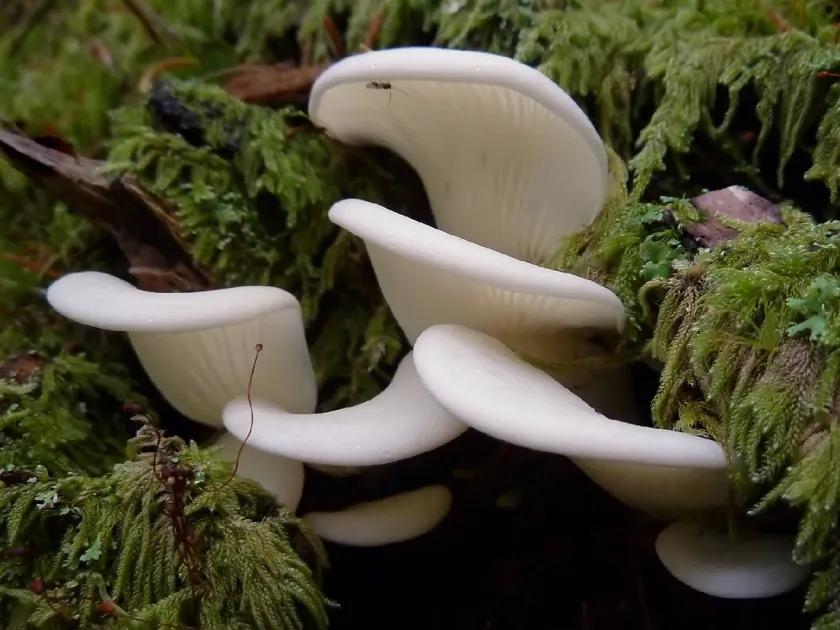
The primary diagnostic sign is the appearance of white, fan-shaped fruit bodies growing in clusters on rotting logs.
These fruiting bodies are often sessile, lacking a distinct stalk, and attach directly to the surface of the bark or woody tissue.
Affected wood often exhibits visible mycelial threads that permeate the structure, gradually turning the wood brittle.
Over time, the wood loses its structural integrity, appearing bleached or white-rotted due to the chemical degradation of its fibers.
Advanced stages of colonization result in a spongy, soft texture that is easily fragmented when subjected to physical pressure.
Pathogen
The organism responsible for the decomposition of wood in this context is the basidiomycete fungus Pleurocybella porrigens.
Commonly known as the angel wings fungus, this species is categorized as a saprotrophic wood-decaying organism.
The fungus functions by secreting specialized enzymes that break down complex organic polymers such as lignin and cellulose.
Its mycelium colonizes the wood tissue, extracting nutrients and energy which are essential for its metabolic processes and growth.
This species is predominantly found on the decaying wood of coniferous trees, particularly in temperate climates during humid seasons.
Conditions for development
The development of this fungus is heavily dependent on high moisture levels and consistent humidity within the forest environment.
Optimal conditions are typically provided by cool, damp autumn weather which supports both sporulation and mycelial spread.
Coniferous wood, such as hemlock or fir, provides the necessary substrate for the fungus to establish and thrive effectively.
Shaded, low-wind areas with significant amounts of woody debris create a localized microclimate that fosters fungal growth.
Disturbances in the forest floor, including storm damage or fallen branches, provide entry points for spores to infect susceptible wood.
Why it matters
The main economic impact is the rapid degradation of timber quality, rendering logs unsuitable for construction or industrial use.
It poses a health risk, as research has identified neurotoxic properties in some instances of human ingestion of this fungus.
In forest management, the rapid decomposition of wood can be viewed as a loss of potential lumber stock in managed silviculture.
Tree stability is compromised as the fungus breaks down the internal strength of the trunks, increasing the risk of windthrow.
High spore density in the vicinity of infected areas may pose respiratory risks to forest workers conducting timber removal.
Protection
Effective management relies on strict forest hygiene practices, including the regular removal of downed timber and slash.
Maintaining appropriate stand density ensures better airflow and lower humidity levels, which discourages the growth of decay fungi.
Sanitation cuttings should be performed to eliminate potential sources of inoculum from the forest floor early in the season.
Proper storage of timber is essential; logs should be kept elevated and protected from moisture to prevent colonization.
Monitoring programs focusing on high-risk coniferous stands help in detecting fungal outbreaks before they spread across the forest.
Discussion
No discussions yet — be the first.