
Pleistophorosis
Pleistophora schubergi
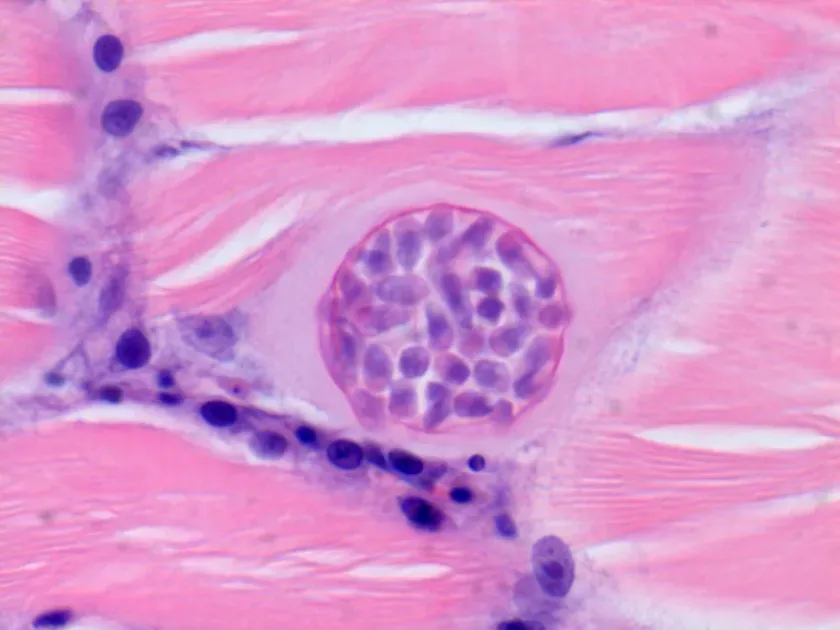
Description
Pathogen
The causative agent of the disease is a microscopic parasite belonging to the phylum Microsporidia, specifically Pleistophora schubergi. It functions as an obligate intracellular pathogen targeting insect hosts.
The life cycle involves the formation of spores, which are highly resilient structures that can survive in the environment for extended periods while awaiting ingestion by a host.
Once inside the insect's digestive tract, the spores undergo germination and invade the host's cells, leading to a systemic infection that eventually impacts the entire organism.
This pathogen is highly specific to certain Lepidoptera species, meaning it is naturally tuned to regulate particular types of insects commonly found on agricultural crops.
From a biological standpoint, these microsporidia are essential elements of natural population control for various lepidopteran pests, preventing mass outbreaks.
Conditions for development
The development of pleistophorosis is heavily dependent on high host density. As insect populations cluster on host plants, the rate of horizontal transmission via contaminated surfaces increases dramatically.
Environmental variables such as moderate temperature and high humidity are conducive to spore survival and transmission, facilitating the spread of the disease among insect larvae.
The physiological status of the host is critical; stressed populations with compromised immune systems are significantly more susceptible to successful infection by the microsporidia.
Micro-environmental conditions within the crop canopy play a significant role, providing a protected space for spore persistence until they are consumed by a susceptible host.
Outbreaks usually coincide with the peak population periods of pests, as the increased interaction between individuals accelerates the cycle of infection and spore dissemination.
Why it matters
The primary impact of pleistophorosis is the chronic debilitating effect on the host, which manifests as reduced feeding rates, stunted growth, and increased larval mortality.
Infected insects exhibit lower reproductive success, which significantly reduces the population growth rate of the pest in subsequent generations, protecting the crop from feeding damage.
Unlike phytopathogens, this disease poses no threat to plants. It is exclusively an entomopathogen, making it a valuable ally in integrated pest management strategies.
The economic harm caused by the pest is mitigated because the pathogen reduces the insect's vitality before it can consume significant amounts of biomass.
The cumulative effect of this infection helps prevent the pests from reaching economic injury levels, thereby reducing the dependency on synthetic chemical interventions.
Protection
Control strategies involve creating environmental conditions that support the persistence and spread of natural entomopathogens within the agricultural ecosystem.
Minimizing the use of broad-spectrum insecticides is crucial, as these chemicals can inadvertently eliminate beneficial microsporidia along with the target pests.
Integrated Pest Management (IPM) practices focus on preserving these natural regulators, ensuring that the ecological balance of the field is maintained at an optimal level.
Monitoring for signs of naturally occurring outbreaks can provide essential data for farmers to make informed decisions about whether intervention is necessary or if biological control is sufficient.
By fostering a diverse agro-ecosystem, growers can promote the natural presence of such pathogens, leading to more sustainable and long-term control of lepidopteran pests.
Discussion
No discussions yet — be the first.