
Black Plectania
Plectania melastoma
Description
Pathogen
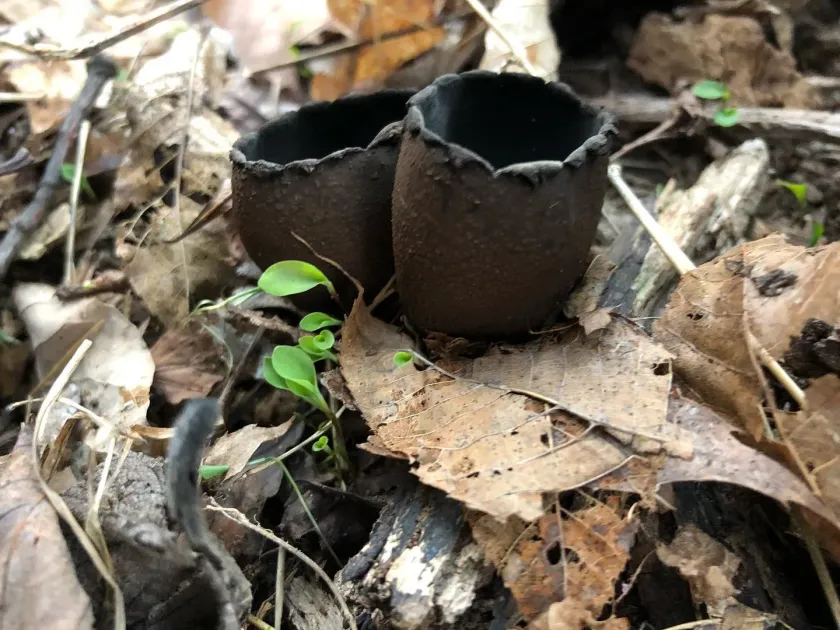
Plectania melastoma, commonly known as Black Plectania, is a cup fungus belonging to the Sarcoscyphaceae family. It is recognized by its dark, often black, cup-shaped fruiting bodies.
The fungus typically functions as a saprotroph, decomposing organic matter such as buried wood or leaf litter in moist environments. It can occasionally act as a weak parasite on stressed vegetation.
The fungus produces apothecia, which are the reproductive structures that disperse spores. These structures emerge from the soil or decaying wood during periods of high humidity and moderate temperatures.
Its mycelial network spreads through the soil and organic substrate. This network allows the fungus to remain dormant for long periods until environmental conditions favor the development of fruiting bodies.
Identification is confirmed by the morphology of the apothecia, which are usually deep black on both the inside and outside, sometimes showing a subtle violet hue upon close inspection.
Conditions for development
Black Plectania thrives in habitats characterized by high moisture levels and shade. It is most commonly found in forests or damp garden areas where organic debris is abundant.
Acidic soil conditions, coupled with poor drainage, create a favorable microclimate for the colonization of this fungus. Stagnant water is a critical trigger for spore germination.
The temperature range between 10°C and 20°C is optimal for the vegetative growth of Plectania melastoma. It is most active during the spring and late autumn months.
Rainfall plays a major role in the spread of spores, as droplets splash the infectious particles onto the base of nearby plants, facilitating the infection of root systems.
Low light levels, such as those found under dense canopy cover or in neglected garden corners, further protect the fungus from desiccation, allowing it to flourish undisturbed.
Why it matters
While often considered a benign decomposer, Black Plectania can become harmful when it colonizes the rhizosphere of ornamental plants or nursery seedlings, leading to root decay.
The infection manifests as reduced vigor, yellowing leaves, and stunted growth in affected plants. The root system's ability to absorb essential nutrients and water is severely compromised.
By weakening the host's vitality, the fungus creates an entry point for secondary infections by more aggressive pathogens, such as root-rot bacteria or other fungi.
In agricultural settings, especially in nurseries, the presence of this fungus can lead to reduced plant growth rates, increasing the time and resources required for plant development.
Persistent infestations can degrade the overall health of the soil profile, making the area less suitable for sensitive or high-value plant species over the long term.
Protection
The most effective management strategy is cultural control, which includes the thorough removal of deadwood, old stumps, and decomposing organic debris that serves as the primary food source.
Improving soil drainage and preventing waterlogging through landscaping adjustments are essential to break the moisture cycle required by the fungus to spread.
Application of fungicides, particularly those containing copper or systemic active ingredients, can inhibit the development of mycelia and protect the root zones of susceptible plants.
Adjusting the soil pH through liming can make the environment less favorable for the survival and colonization of Plectania melastoma.
- Removing and destroying infected plant debris.
- Implementing regular soil aeration to reduce humidity.
- Sanitizing gardening tools to prevent cross-contamination.
- Promoting plant health through balanced fertilization and irrigation.
Discussion
No discussions yet — be the first.