
Plagiostomosis
Plagiostoma
Description
Symptoms
The initial signs of Plagiostomosis include small, chlorotic spots appearing on the leaf blades. As the infection progresses, these spots expand and turn dark brown or black.
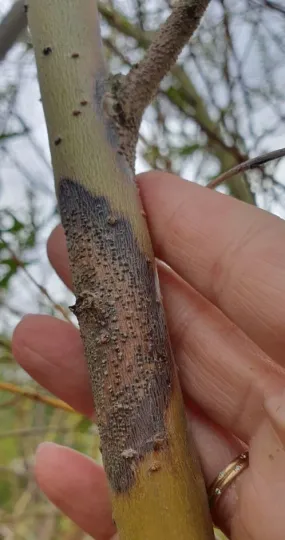
A diagnostic characteristic is the presence of tiny black dots, or fruiting bodies, visible to the naked eye on the necrotic lesions. These dots are clusters of fungal structures emerging through the leaf cuticle.
Heavily infected leaves may exhibit premature yellowing, curling, and eventual abscission. In severe cases, the entire canopy of a tree may appear sparse and withered.
Infection can spread to the petiole and young shoots, causing elongated necrotic lesions. This often leads to the deformation or breakage of twigs under moderate wind or weight pressure.
During humid conditions, the lesions might become coated with a subtle fungal exudate. This is the spore-producing stage, which serves as a major source for localized secondary spread.
Pathogen
Plagiostomosis is caused by various species of the Plagiostoma fungus, which are ascomycetes. These pathogens primarily affect the foliage and stems of a wide range of woody plants and deciduous trees.
The lifecycle of Plagiostoma involves the formation of perithecia, usually found on dead leaves, which act as the primary overwintering structures. These bodies release spores in the spring, initiating new infections.
The fungal mycelium penetrates the leaf epidermis and colonizes the mesophyll, leading to the breakdown of healthy plant tissues. This nutrient extraction significantly impacts the plant's metabolic processes.
Secondary infections are driven by conidia, which are produced on the infected sites and spread via rain splashes and wind currents. This allows the disease to propagate throughout the growing season.
Classification-wise, this pathogen is integrated into the Diaporthales order, a group of fungi known for causing various stem and leaf diseases in silviculture and nursery management.
Conditions for development
The development of Plagiostomosis is highly dependent on environmental moisture. Prolonged rain, persistent fog, and high humidity levels are ideal conditions for the pathogen's germination.
Moderate temperatures ranging from 15°C to 22°C (59°F to 72°F) typically accelerate the growth and infection rate of Plagiostoma. These conditions often coincide with spring canopy development.
Poor airflow within dense plantings creates a stagnant, humid microclimate. This lack of ventilation allows moisture to remain on the leaf surface for extended periods, facilitating infection.
The presence of overwintering inoculum in leaf litter is a critical factor. If fallen leaves are not cleared, the fungus remains in close proximity to the tree, ensuring early infection in the spring.
Plants under stress from poor site conditions, nutrient deficiencies, or mechanical wounding are significantly more susceptible to successful colonization by the fungus.
Why it matters
Plagiostomosis causes significant leaf area loss, which reduces the plant's photosynthetic capacity. This limitation severely stunts growth and weakens the overall vigor of the plant.
Premature defoliation prevents the plant from accumulating necessary carbohydrate reserves before the winter season, potentially leading to cold injury or plant mortality.
In landscape and ornamental settings, the disease significantly detracts from the aesthetic value of the trees. This leads to economic losses in nurseries and the need for costly management strategies.
Persistent infections on shoots can lead to structural damage, making the plant look misshapen. Chronic infestations can lead to a gradual decline in the health of the entire tree specimen.
In forestry, heavy outbreaks can negatively affect the overall health and productivity of young stands, requiring intensive silvicultural interventions to curb the spread.
Protection
The most important control measure is strict sanitation. Raking and destroying (burning or deep burying) all leaf litter in the fall effectively removes the primary source of the inoculum.
Pruning and removal of infected branches should be performed throughout the growing season. It is vital to cut into healthy wood to ensure the entire fungal colony is removed.
Chemical control involving copper-based fungicides or systemic chemical treatments can be effective. Applications should be timed for the onset of bud break or when initial symptoms are noted.
Maintaining adequate plant spacing and canopy pruning encourages air circulation and reduces moisture levels, which directly inhibits the pathogen's ability to flourish.
Encouraging tree health through proper fertilization and irrigation helps the host maintain a stronger natural defense system against fungal invasion and subsequent infection.
Discussion
No discussions yet — be the first.