
Pithomyces
Pithomyces
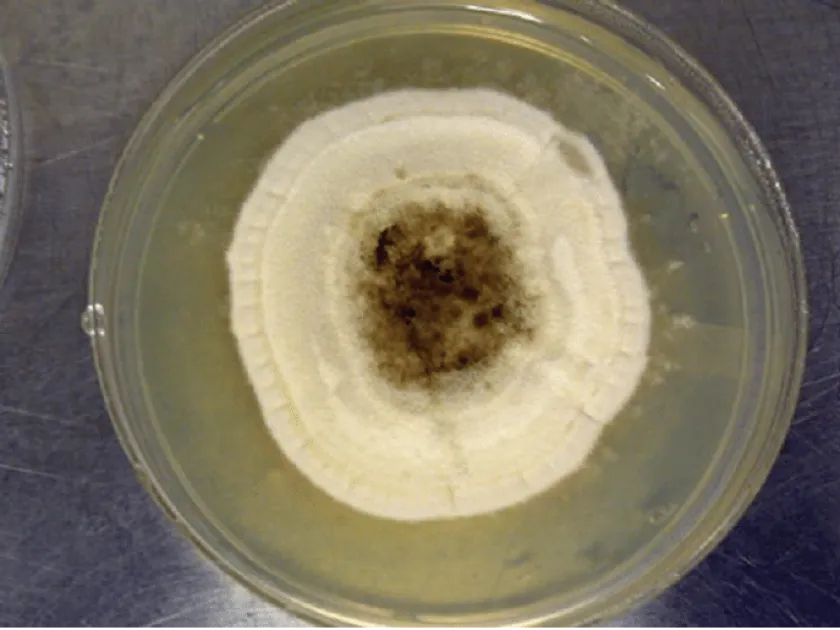
Description
Pathogen
The disease is caused by Pithomyces chartarum, a saprophytic fungus belonging to the class of deuteromycetes. It primarily lives on decaying plant matter but can colonize weakened vegetation.
The biology of the pathogen is centered around the rapid accumulation of spores on organic debris found on the soil surface. These spores are highly resistant to environmental stressors.
The fungus produces a potent mycotoxin known as sporidesmin. While the fungus itself is a saprophyte, this toxin is the primary cause of severe health issues in livestock consuming infested plants.
Microscopically, the fungus produces dark-pigmented conidia that are easily dispersed by wind and splashing rain, allowing for quick spread across agricultural fields.
The life cycle is largely dependent on the availability of dead organic material, which serves as both a nutrient source and a breeding ground for spore formation.
Conditions for development
The development of Pithomyces is strongly linked to warm and humid conditions, which facilitate the rapid growth of fungal colonies on plant debris.
Optimal conditions for proliferation occur when temperatures remain between 18°C and 25°C, coupled with high humidity or frequent rainfall followed by warm sunny spells.
The accumulation of thick thatch, senescent grass, or crop residue provides the essential shelter and nutrients required for the fungus to complete its reproductive stages.
Poorly managed pastures with excessive litter and insufficient air circulation create a perfect microclimate for the fungus to thrive and release massive amounts of spores.
Environmental fluctuations that create "warm and wet" cycles are the primary drivers for significant outbreaks of Pithomyces activity in pastoral landscapes.
Why it matters
The primary concern regarding Pithomyces is the production of sporidesmin, which poses a lethal risk to grazing livestock, particularly sheep and cattle.
This mycotoxin causes facial eczema in animals by damaging bile ducts, leading to liver failure and severe photosensitivity when the animals are exposed to sunlight.
For agricultural plants, the presence of the fungus can lead to reduced photosynthetic efficiency and premature senescence of the lower leaves in high-density swards.
Economic losses are significant, resulting from both reduced animal productivity and the need to abandon contaminated grazing areas during peak infection times.
Because the toxin is highly stable, contaminated fodder remains dangerous to animals even after it has been cut and baled as hay, requiring strict management.
Protection
Effective control of Pithomyces relies on integrated pasture management designed to reduce the fungal substrate and prevent livestock exposure to infected material.
Regular mowing and controlled grazing are essential to prevent the accumulation of dead plant matter where the fungus typically reproduces.
In high-risk areas, the use of spore counting technology allows farmers to monitor spore levels in the pasture and implement protective measures before toxicity occurs.
Strategic management of forage height ensures that livestock do not graze too close to the soil surface, where the concentration of spores is at its highest.
- Frequent pasture mowing to reduce dead plant material.
- Monitoring weather patterns to predict high-risk periods.
- Avoiding overgrazing which promotes the accumulation of thatch.
- Using fungicide treatments on pastures in extreme, high-risk conditions.
Discussion
No discussions yet — be the first.