
Pisolithus
Pisolithaceae
Description
Symptoms
Key indicators of colonization include the transformation of root tips into swollen, club-like or branched structures known as mycorrhizae.
A visible mantle of dark fungal tissue surrounds the roots, distinguishing them from non-mycorrhizal, smooth, white healthy root tips.
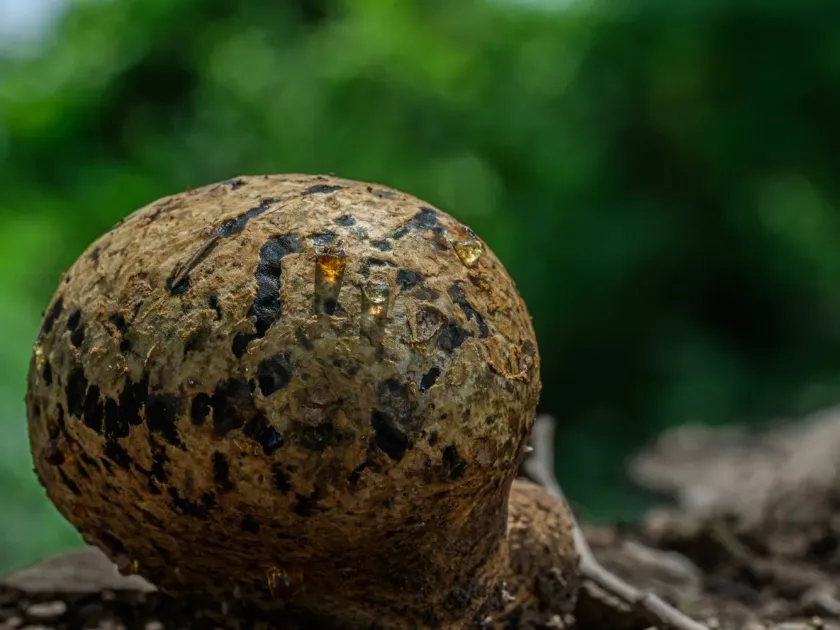
During the growing season, irregular, potato-shaped fruiting bodies may appear on the soil surface, releasing dark, powdery spores when mature.
Plants colonized by Pisolithus show increased vigor and resistance to drought compared to plants growing in sterile soil conditions.
The presence of these mushrooms is a reliable biological marker of a stable symbiotic relationship between the forest soil and the trees.
Pathogen
The organism is Pisolithus tinctorius, a member of the Pisolithaceae family. It is strictly defined as an ectomycorrhizal fungus, not a plant disease.
The fungus establishes a mutualistic relationship by wrapping its mycelium around root tips, forming a Hartig net that facilitates nutrient exchange.
Its life cycle revolves around the formation of unique, puffball-like sporocarps that emerge from the soil near the host tree.
These fruiting bodies contain countless microscopic spores that allow the fungus to propagate and establish new mycorrhizal colonies in the rhizosphere.
It thrives as a biological partner, effectively expanding the surface area of roots for water and mineral absorption in harsh, nutrient-poor environments.
Conditions for development
The fungus specifically associates with woody species like pines, eucalyptus, and oaks, which provide the necessary carbohydrates for fungal growth.
It prefers acidic, mineral-deficient soils and is highly tolerant of high soil temperatures and the presence of trace heavy metals.
Distribution is most effective in temperate to subtropical climates where soil moisture levels fluctuate, stimulating the growth of the fungal mycelium.
Soil aeration and the presence of host tree roots are fundamental prerequisites for the establishment of the mycorrhizal complex.
Colonization often occurs naturally in reforested areas or land reclamation projects where traditional soil flora may be missing.
Why it matters
Pisolithus tinctorius causes no harm to plants; it is a beneficial organism that enhances tree growth, health, and tolerance to stress.
There are no negative economic impacts associated with this fungus; it is essentially viewed as a high-value biological asset in forestry.
It does not cause lesions, rot, or death of plant tissues; rather, it protects the roots from potential pathogens by occupying the niche.
It is not classified as a plant disease, and its presence is highly desirable in both forest nurseries and natural forest regeneration sites.
The only concern could be the minor displacement of other less beneficial fungi, which is a natural aspect of forest ecosystem succession.
Protection
No control measures are necessary because the organism is non-pathogenic and provides significant ecological benefits to host plants.
Instead, commercial forestry often employs deliberate inoculation of seedling trays with Pisolithus spores to ensure long-term site adaptation.
Nursery management practices focus on creating conditions that support the symbiosis, avoiding excessive fungicide applications that might harm the fungus.
Monitoring the quality of mycorrhizal development on seedling roots is a standard procedure in high-quality forest nursery production.
Maintaining a balanced soil ecosystem is the only "control" required to ensure the continued presence and activity of this beneficial symbiont.
Discussion
No discussions yet — be the first.