
Black piedra
Piedraia hortae
Description
Symptoms
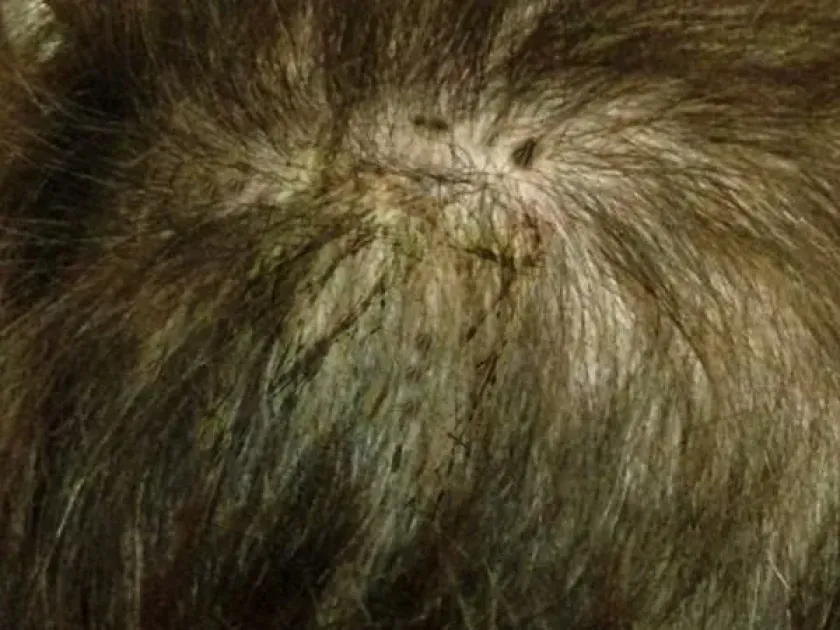
The hallmark sign of Black piedra is the formation of hard, black to dark-brown nodules on the surface of the affected plant material. These nodules are typically granular, gritty in texture, and firmly attached.
Affected areas often appear as clusters of small, raised spots. Over time, these spots may increase in size and density, often appearing in lines along the path of water runoff during rain events.
The surface of the affected organ may lose its natural texture and become dull. While the fungus is largely superficial, the physical presence of the nodules creates an uneven, rugged surface that is aesthetically unappealing.
Upon closer inspection, the nodules are difficult to remove without damaging the underlying surface. This strong adhesion is a result of the dense, pigmented fungal mass that characterizes this specific pathogen.
Visual diagnostic procedures often focus on identifying these hardened structures under high-moisture conditions, as they are the most reliable indicator of an active Piedraia hortae infection.
Pathogen
The causative agent of the disease is the ascomycete fungus Piedraia hortae. This pathogen is well-known for its ability to form dense, dark-pigmented fungal structures on the surface of substrates, often thriving in tropical environments.
The biology of Piedraia hortae involves the development of hard, compact stromata. These structures consist of tightly packed fungal hyphae that adhere firmly to the surface, protecting the fungus from environmental stress.
The fungus has a specific affinity for surfaces where it can secure nutrients and moisture. Its lifecycle is driven by the production of ascospores, which are contained within these stromata and serve as the primary means of transmission to new areas.
As a pathogen, it is characterized by slow growth but high resilience. The presence of melanin in its cell walls provides significant protection against UV radiation and desiccation, allowing the fungus to survive under fluctuating environmental conditions.
Effective management begins with understanding that Piedraia hortae acts as a surface-colonizing parasite. While it is primarily associated with keratinated tissues in humans, its botanical manifestations show a clear preference for persistent moisture.
Conditions for development
The primary environmental driver for Black piedra is high humidity combined with frequent rainfall. These conditions are essential for the release and germination of ascospores on the plant surface.
Warm temperatures, typical of tropical and subtropical regions, accelerate the metabolic rate of Piedraia hortae. Stability in these climatic factors often leads to the rapid progression of the disease within an orchard or plantation.
Poor air circulation significantly increases the risk of infection. When plants are grown in dense configurations, moisture stays trapped on surfaces for extended periods, facilitating the colonization of the fungus.
Seasonal patterns play a critical role in the severity of outbreaks. Periods of sustained rain often correspond with peaks in infection, as water droplets act as the main vector for dispersing spores across the canopy.
Environmental management involves creating conditions that favor rapid drying of plant surfaces. Strategic pruning and spacing are fundamental in altering the microclimate to be less hospitable for fungal growth.
Why it matters
The most immediate damage caused by Black piedra is the significant reduction in the commercial value of the crop. The hardened nodules make the produce visually unacceptable for market standards.
Secondary infections often follow a primary Black piedra colonization. The structural disruption of the surface allows other pathogens, including bacteria and other fungi, to infiltrate and cause deeper tissue decay.
Economic impact is further exacerbated by the costs associated with cleaning, sorting, and discarding infected units. Producers often face substantial losses due to the inability to meet strict export and quality regulations.
While the pathogen is primarily superficial, massive infestation can stress the host plant. The accumulation of fungal structures can potentially interfere with natural gas exchange and other physiological processes of the surface layer.
Logistical and phytosanitary risks are significant. As a known pathogen in several regions, the presence of Black piedra on commodities can lead to trade barriers and the rejection of shipments at international borders.
Protection
Effective control strategies focus on cultural practices. Pruning to ensure proper canopy aeration is vital, as it reduces the duration of surface wetness and discourages fungal growth.
Preventive fungicide applications can be used during periods of high humidity. Systematic monitoring is necessary to apply treatments before the fungus establishes firm, mature stromata, which are harder to control.
Sanitation is key to disease management. All infected plant material must be carefully removed and destroyed, ideally through incineration or deep burial, to prevent the buildup of inoculum within the growing area.
The selection of resistant cultivars, where available, provides a sustainable approach to managing the disease. Breeding programs continue to look for surface characteristics that limit the adhesion of Piedraia hortae.
Quarantine measures are essential to prevent the spread of the fungus into uninfested regions. Ensuring that all propagated material is certified disease-free is a critical line of defense for agricultural biosecurity.
Discussion
No discussions yet — be the first.