
Phytophthora blight of cucurbits
Phytophthora melonis
Description
Symptoms
Symptoms often appear as water-soaked lesions that rapidly expand and turn brown or black. On leaves, these spots may initially look like oily areas, eventually becoming necrotic and brittle.
Stem infection usually manifests as a distinct brown, leathery rot at the crown or nodes. This structural damage causes the plant to wilt, often appearing sudden and permanent despite adequate soil moisture.
Root systems exhibit symptoms of severe decay, turning mushy and dark brown. The loss of functional roots prevents the plant from absorbing nutrients and water, accelerating overall wilting and decline.
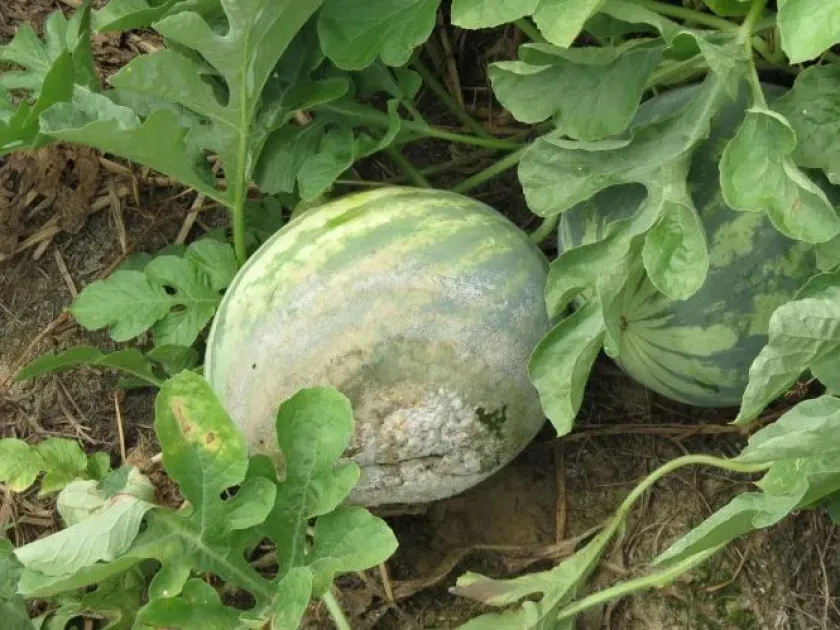
Fruit symptoms include white, moldy growth of mycelium on the surface, especially under humid conditions. The flesh underneath becomes soft and rots quickly due to enzymatic activity.
In greenhouses, you may notice a pungent odor emitted by decaying plant tissues. This is a common indicator of advanced infection and the presence of secondary bacterial opportunistic pathogens.
Pathogen
The causative agent of this disease is the oomycete Phytophthora melonis. Unlike true fungi, this organism produces motile zoospores that require free moisture to navigate and infect host tissues efficiently.
The pathogen persists in soil and crop debris as thick-walled oospores, which can survive unfavorable conditions for several years. These spores serve as the primary source of inoculum for subsequent seasons.
Upon germination, the oomycete produces sporangia, releasing zoospores when exposed to water. These zoospores swim or are splashed onto the roots, stems, or fruits of susceptible cucurbit crops.
Phytophthora melonis is highly aggressive and can attack host plants at any stage of development. The infection process involves the colonization of vascular tissues, which leads to a rapid collapse of the plant's physiological functions.
The biology of the pathogen is closely tied to water management in the field or greenhouse. Its ability to spread through irrigation water makes it particularly dangerous for intensive farming systems.
Conditions for development
High moisture levels are the most critical factor for the development of Phytophthora blight. The disease thrives during rainy spells or in poorly managed irrigation systems where water ponds.
Optimal temperatures for the growth and spread of Phytophthora melonis range between +20°C and +25°C. Within this range, the life cycle of the pathogen can be completed within a few days.
Poor soil drainage and high clay content exacerbate the problem by holding water around the root zone for extended periods. Soil compaction prevents aeration and favors the survival of the pathogen.
Overcrowded plantings and inadequate ventilation in tunnels create a stagnant microclimate with high humidity. This environment allows zoospores to easily settle on plant surfaces and initiate new infections.
Mechanical damage during weeding or cultivation provides entry points for the pathogen into the stem. Furthermore, contaminated tools can spread the infection across entire fields.
Why it matters
Phytophthora blight is a devastating disease that can result in total crop failure within a short timeframe. Once established, the pathogen is extremely difficult to eradicate from the soil.
The economic impact involves not only the loss of harvestable yields but also the costs associated with repeated fungicide applications. In severe cases, land becomes unusable for cucurbits for many years.
Marketable fruits are rendered worthless, as even seemingly healthy-looking produce can rot rapidly during transport or storage. This causes significant losses in post-harvest logistics.
The ability of the disease to spread through irrigation water means that a localized infestation can quickly turn into a field-wide problem. This requires strict quarantine and containment measures.
Producers are often forced to invest in extensive soil sterilization or move production to new, uninfected land. These actions significantly increase the financial burden on the farm operation.
Protection
Long-term crop rotation is the primary management tool. Avoiding cucurbits for at least 4-5 years helps reduce the soil inoculum pressure, although it does not eliminate the pathogen entirely.
Improving field drainage by installing tile drains or growing on raised beds is essential. These practices keep the soil moisture levels below the threshold required for pathogen activity.
Efficient irrigation management, such as using precision drip lines, minimizes leaf wetness and prevents water pooling. This directly disrupts the spread of zoospores during the critical growth phases.
In greenhouses, maintaining low relative humidity through proper ventilation and temperature control is crucial. Removing and destroying infected plants promptly can slow down the disease progression.
Chemical control involving systemic fungicides, specifically those targeting oomycetes, should be integrated into a preventive spray program. Always rotate chemical classes to prevent the development of resistance.
Discussion
No discussions yet — be the first.