
Lettuce Phytophthora root rot
Phytophthora lactucae
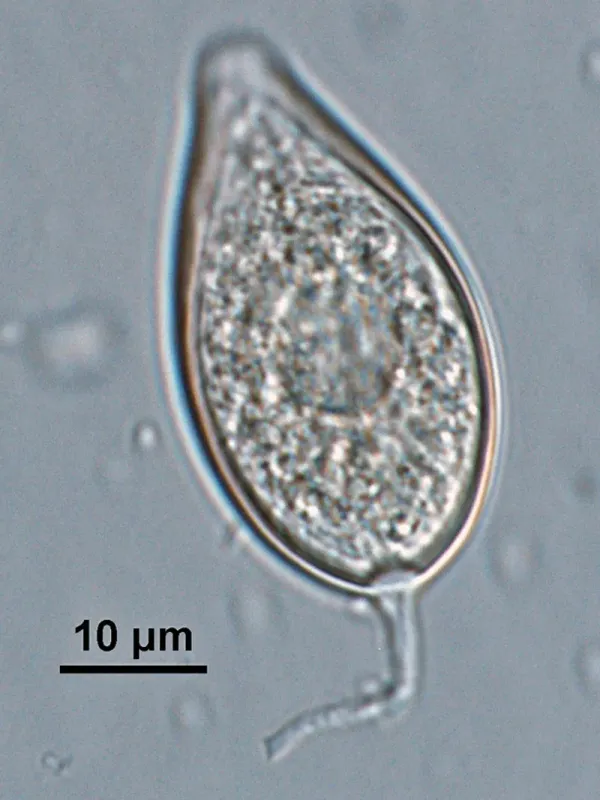
Description
Symptoms
Initial symptoms are characterized by wilting of the lower leaves during the warmest part of the day. Initially, the plants may appear to recover at night, but the wilting quickly becomes permanent.
Upon inspection of the root system, a distinct browning or blackening of the roots is observed. The smaller lateral roots typically decay first, followed by the main taproot.
A water-soaked, dark lesion may appear on the root collar, near the soil line. In humid conditions, a sparse, white, cottony growth consisting of sporangia may be visible on the base of the stem.
Infected plants display severe stunting and discoloration of the outer foliage, shifting from green to a yellow or brownish hue. The loss of root function makes the lettuce highly susceptible to further stress.
Affected plants are often found in patches within the field, reflecting the distribution of the pathogen in the soil or the pattern of water flow during irrigation.
Pathogen
The causative agent of this disease is the oomycete Phytophthora lactucae. This pathogen is a soil-borne organism that specifically targets the root system and the collar region of lettuce plants.
Biologically, it is classified as a water mold, thriving in environments with high moisture levels. It produces hardy oospores that can persist in the soil for several years, acting as a long-term reservoir for infection.
The lifecycle involves the production of motile zoospores, which travel through soil water films to reach healthy root tissues. Once they attach, they penetrate the epidermis and begin to colonize the root structure.
Spread of the disease often occurs through contaminated irrigation water, infested soil movement on farm equipment, or the transplanting of infected seedlings from contaminated nurseries.
The pathogen disrupts the vascular system, preventing the upward movement of water and nutrients, which eventually leads to the rapid decline and death of the host plant.
Conditions for development
High soil moisture is the primary driver for Phytophthora development. Poor drainage, over-irrigation, and prolonged rainfall create the water-logged conditions necessary for zoospore movement.
The optimal temperature range for the pathogen's activity is between 15°C and 22°C (59°F–72°F). Cool, wet weather is particularly conducive to major disease outbreaks.
High planting density restricts airflow between plants, increasing humidity around the soil surface and promoting the spread of the pathogen. Poor ventilation in greenhouse environments exacerbates this issue.
Compacted, heavy clay soils are prone to water stagnation, creating an ideal environment for the pathogen. Lack of soil aeration significantly weakens the lettuce root system.
Any prior injury to the roots, such as those caused by soil-dwelling insects or mechanical cultivation, facilitates the entry of the pathogen into the plant tissues.
Why it matters
This disease causes significant economic losses by rendering the crop completely unmarketable. Infected lettuce is unfit for human consumption due to the rapid development of rot.
In severe cases, entire field sections can be lost to the disease. The longevity of the oospores in the soil means that the ground may remain infested for several consecutive growing seasons.
For greenhouse growers, an outbreak of Phytophthora root rot can be devastating, requiring the total disposal of entire batches and intensive sanitation protocols.
The pathogen’s ability to survive in both soil and irrigation water makes it difficult to eradicate. It necessitates strict adherence to hygiene standards to prevent its introduction into new areas.
Crop losses are magnified by the fact that symptoms often appear shortly before harvest, resulting in the waste of all inputs used during the plant's growth cycle.
Protection
Implementing a proper crop rotation program is essential, as rotating away from susceptible crops helps to reduce the inoculum levels in the soil over time.
Managing water effectively is the most critical defense. Ensure fields are well-drained and avoid over-watering by utilizing precise irrigation methods based on soil moisture monitoring.
Start with certified, disease-free seed and produce transplants in sterilized media. Clean and disinfect all agricultural tools and machinery after working in infected zones.
- Improve soil drainage and aeration;
- Promptly remove and destroy infected plant debris;
- Avoid over-crowding to maintain air circulation;
- Use approved fungicides as a preventative measure when risk is high.
Frequent scouting of the fields allows for the early detection of localized patches. Removing these plants immediately, along with a portion of the surrounding soil, can prevent the spread of the disease.
Discussion
No discussions yet — be the first.