
Phytophthora heveae
Phytophthora heveae
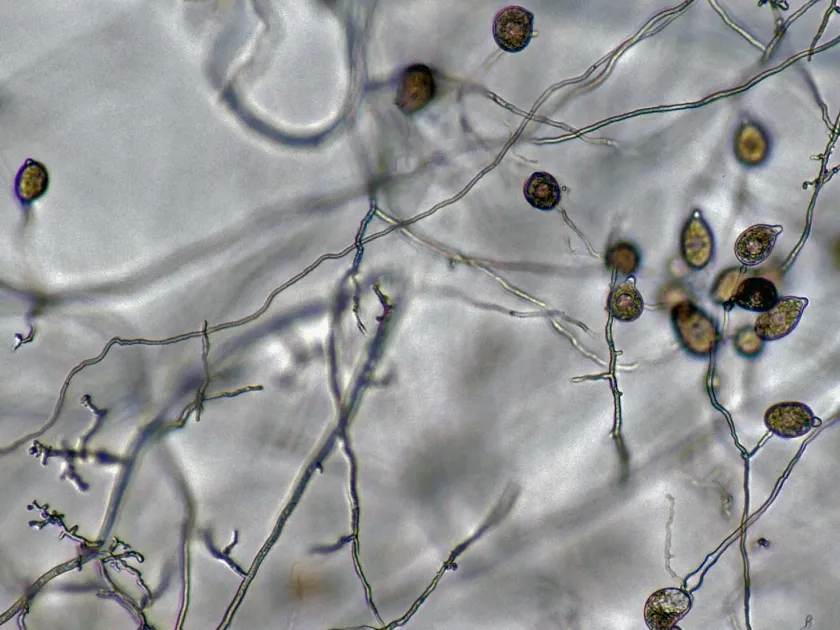
Description
Symptoms
Initial symptoms are characterized by water-soaked lesions on the leaves, which rapidly expand into necrotic brown spots. These spots often display irregular margins and may be surrounded by a chlorotic halo in susceptible varieties.
When the pathogen infects the stems and trunks, it causes visible decay of the bark. This is often associated with the exudation of latex, which dries to form black streaks, severely impacting the commercial tapping and extraction process.
Fruit infection is common during wet seasons, manifesting as localized rotting that causes premature fruit drop. A thin, whitish mycelial growth may appear on the surface of these decaying fruits during periods of high moisture.
Dieback of young shoots is a severe symptom, where the growing tips turn black and wither. This stunt of apical dominance results in malformed tree architecture and reduced canopy density over time.
Severe infestations can lead to widespread premature leaf shedding, a phenomenon that drastically reduces the tree's photosynthetic capacity, resulting in lower overall vigor and decreased latex production.
Pathogen
The disease is caused by the oomycete Phytophthora heveae, a specialized pathogen known to target Hevea brasiliensis. Unlike true fungi, this oomycete belongs to the Stramenopiles lineage, characterized by motile zoospores that require aquatic environments for dispersal.
The life cycle of the pathogen involves the production of sporangia, which release biflagellate zoospores under conditions of high humidity or free water. These zoospores use chemotaxis to detect host tissues and initiate infection.
Phytophthora heveae is capable of surviving adverse environmental conditions as thick-walled oospores or within dormant mycelium in infected plant debris, ensuring its persistence in the plantation soil over long periods.
Upon contact with a host, the pathogen utilizes specialized structures called appressoria to exert mechanical pressure and secrete enzymes that degrade cellulose and pectin, effectively penetrating the protective epidermis of the rubber tree.
The genetic diversity within Phytophthora heveae populations allows for the development of different virulent strains, which can adapt to various environmental conditions and overcome specific resistance genes in local rubber tree clones.
Conditions for development
High relative humidity is the primary driver for Phytophthora heveae outbreaks. Environmental humidity consistently above 85% is typically required for the rapid release and motility of zoospores.
Optimal temperatures for pathogen development range between 22°C and 28°C. Deviations from this range generally slow down the infection process, although the pathogen remains capable of opportunistic colonization in suboptimal conditions.
Plantation density is a critical environmental factor. Dense canopy structures restrict airflow and promote the retention of water droplets on leaf surfaces, creating the perfect microclimate for the pathogen to thrive.
Frequent rainfall and prolonged dew periods provide the necessary water films on leaf surfaces for zoospore migration and infection, explaining why the disease is most severe during the wet monsoon seasons in tropical regions.
Nutrient management, particularly excessive nitrogen fertilization, can lead to the formation of succulent, soft foliage that is more susceptible to pathogen penetration due to reduced mechanical and chemical barriers in cell walls.
Why it matters
The economic impact of Phytophthora heveae is primarily seen in the significant reduction of latex yield. Bark lesions interfere with the tapping panel, often rendering parts of the trunk unproductive.
Chronic infection weakens the tree, making it susceptible to secondary pathogens and environmental stressors like drought. This significantly shortens the tree's productive economic lifespan and increases maintenance costs.
In nurseries, the pathogen causes damping-off and stem rot, leading to high seedling mortality. This forces plantation managers to replant areas, causing financial losses and delays in establishment.
Losses in fruit and seed production due to infection reduce the availability of high-quality seeds for nursery programs, limiting the genetic improvement and restoration efforts of rubber plantations.
Tree stability can be compromised by severe stem damage, leading to increased rates of wind breakage, which represents a total loss of the capital investment in the individual trees affected.
Protection
Effective control requires an integrated approach that focuses on both cultural practices and chemical intervention.
- Regular pruning of diseased branches and debris removal.
- Application of copper-based fungicides.
- Optimizing plantation spacing for better ventilation.
- Screening and planting resistant rubber clones.
- Monitoring weather patterns to time fungicide applications.
Chemical control involving fungicides, such as metalaxyl or copper oxychloride, is effective when applied as a preventive measure before the onset of the rainy season to provide a protective layer on vulnerable tissues.
Cultural management, including weed control and maintaining proper drainage, helps reduce the ambient humidity near the trunk and soil surface, which can inhibit the secondary spread of the pathogen within the plantation.
Early detection is crucial. Scouting for symptoms, especially on the bark and young shoots, allows for targeted treatment of specific areas, preventing the development of large-scale disease outbreaks across the entire plantation.
Genetic breeding for resistance remains the most sustainable long-term solution. By selecting and deploying clones that show natural resistance to Phytophthora heveae, producers can reduce reliance on chemical inputs and ensure more stable production.
Discussion
No discussions yet — be the first.