
Phyllosticta leaf spot of Paxistima
Phyllosticta paxistimae
Description
Symptoms
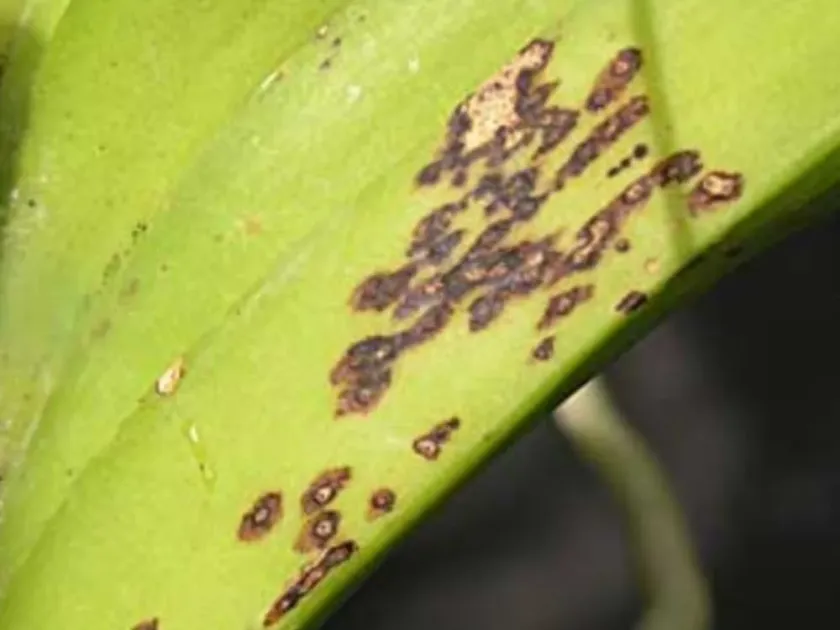
The primary symptom of this disease is the appearance of distinct spots on the foliage of the Paxistima shrub. These spots begin as small yellowish or light brown lesions that gradually expand in diameter.
As the infection progresses, the center of the spots often turns grey or whitish, clearly demarcated by a dark brown or reddish-purple border, which is a classic symptom of necrotic leaf tissue.
A closer inspection with a hand lens reveals the presence of tiny, black, pimple-like structures called pycnidia. These are the fruiting bodies of the fungus, which serve as containers for spore release.
In cases of severe infection, individual spots may coalesce to cover large portions of the leaf surface, leading to premature yellowing (chlorosis) and significant leaf drop throughout the canopy.
During periods of high humidity, the underside of the affected leaves might show a sparse, grayish fungal growth, indicating active colonization and sporulation by the pathogen.
Pathogen
The causal agent of this disease is the fungus Phyllosticta paxistimae, a member of the Fungi Imperfecti group. It is a specialized pathogen that specifically targets the foliage of the Paxistima genus.
Classified as a leaf spot disease, the pathogen primarily invades plant tissues through stomata or mechanical wounds on the leaf cuticle, where it then initiates the formation of necrotic lesions.
The fungus survives the dormant winter season within infected plant debris, specifically in the fallen leaves or on persistent twigs, as mycelium or as dormant pycnidia.
Biological survival strategy involves the production of massive quantities of conidia during the spring. These spores are disseminated by rain splash, wind, or irrigation water to healthy leaves.
The infection cycle repeats multiple times throughout the growing season, provided that the environmental conditions remain favorable, leading to an increase in the pathogen's pressure.
Conditions for development
The primary factor facilitating the development of this disease is excessive moisture. Prolonged wetness on leaf surfaces, caused by frequent rain or heavy dew, is essential for spore germination.
Dense planting patterns reduce air circulation within the shrubbery. Poor ventilation prevents the foliage from drying out quickly, which provides a perfect environment for fungal infection.
Optimal temperatures for the spread of Phyllosticta range between 18°C and 25°C. In these conditions, the fungus grows rapidly, leading to explosive development of symptoms in favorable climates.
Poor horticultural practices, such as excessive nitrogen fertilization, lead to lush but weak leaf growth. These soft tissues are significantly more susceptible to penetration by fungal hyphae.
Plants that are already stressed due to drought, physical damage from improper pruning, or poor soil drainage are significantly more likely to contract the disease compared to vigorous specimens.
Why it matters
The most immediate harm caused by Phyllosticta is the destruction of the shrub's aesthetic value. Since Paxistima is primarily grown as an ornamental, unsightly brown spots make the plant undesirable.
Chronic infection disrupts the plant's ability to perform photosynthesis efficiently. This depletion of nutrients leads to stunted growth, reduced vigor, and a general decline in the shrub's health.
Premature leaf drop leaves the branches exposed, which can make the plant more susceptible to winter burn and frost damage due to the loss of protective foliage and energy reserves.
If left unmanaged, the cumulative stress can eventually lead to the death of the plant, especially if it is already battling environmental challenges or other concurrent pest infestations.
The disease acts as a persistent source of inoculum. If allowed to remain in the landscape, it creates a constant risk for other healthy Paxistima plants nearby, making it difficult to control long-term.
Protection
Effective management begins with strict sanitation. All fallen leaves must be raked and removed from the garden or burned to eliminate the primary sources of fungal spores.
Cultural prevention includes proper spacing between shrubs to promote airflow. Pruning should be performed to open up the canopy, ensuring sunlight and air reach the inner branches.
Fungicides can be applied when the first symptoms appear. Copper-based fungicides or systemic triazole-class products are typically effective when applied according to label instructions.
Regular monitoring of the shrubs during the growing season allows for early detection. Timely intervention prevents the disease from reaching a stage where chemical control becomes difficult.
- Removing infected branches during the dormant season.
- Applying water directly to the soil base rather than overhead irrigation.
- Balanced fertilization to ensure strong plant tissue development.
- Sterilizing pruning shears between cuts to prevent mechanical spread.
Discussion
No discussions yet — be the first.