
Phyllosticta leaf spot of wintergreen
Phyllosticta neopyrolae
Description
Symptoms
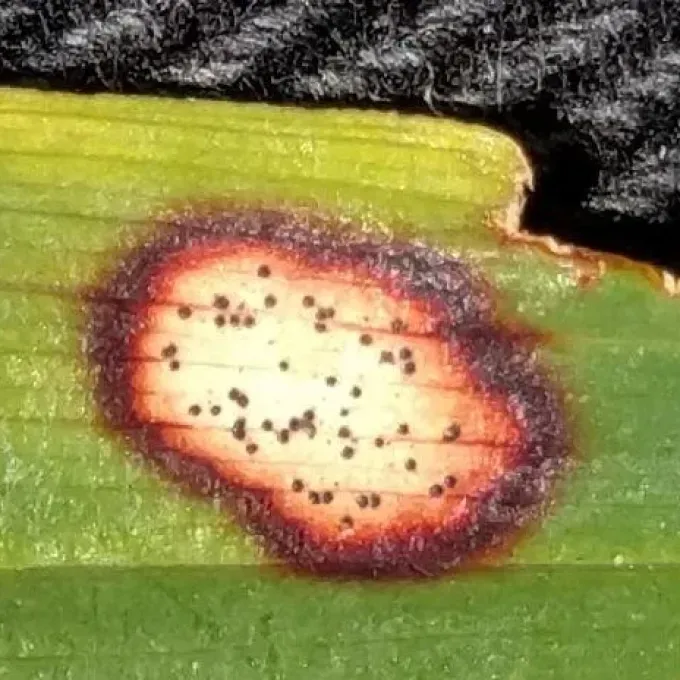
The primary symptom of infection by the fungus Phyllosticta neopyrolae is the appearance of characteristic spots on the leaf blades. These spots are typically round or irregular in shape, often featuring a lighter center and a distinct darker border.
As the disease progresses, the spots expand and may coalesce, covering significant portions of the leaf tissue. This leads to premature yellowing and eventual necrosis of the leaf blade.
Upon close inspection, small black dots known as pycnidia can be seen in the center of the necrotic lesions. These are the fungal fruiting bodies that contain spores, facilitating further spread of the infection.
The infection appears predominantly on actively growing leaves during the summer months. Affected leaf tissue becomes brittle, and severe cases of the disease result in premature leaf drop.
The overall appearance of infected plants changes significantly, which not only ruins their decorative value but also weakens the plant's overall physiological vitality.
Pathogen
The causative agent of this disease is a fungus from the genus Phyllosticta, specifically the specialized species Phyllosticta neopyrolae. This microorganism belongs to the class of Deuteromycetes.
The fungus is a parasite, obtaining nutrients from the living cells of the host plant. The asexual stage of the life cycle, characterized by the production of pycnidia, is dominant.
Pycnidia are embedded within the leaf tissue and open through small pores, releasing conidia. These conidia serve as the primary spores responsible for spreading the fungus during the growing season.
Dissemination of conidia occurs through rain splash, irrigation water, as well as physical contact between leaves or via insect vectors.
The pathogen primarily overwinters as mycelium and pycnidia on fallen, infected leaves, maintaining its virulence until the arrival of spring warmth.
Conditions for development
High relative humidity and moderate temperatures favor the development of Phyllosticta leaf spot. Excess moisture on the leaf surface creates ideal conditions for fungal spore germination.
Frequent rain, heavy fog, and evening dew cycles significantly stimulate infection. During dry periods, the rate of disease spread is notably reduced or halted.
Crowded plantings that lack proper air circulation promote the accumulation of excessive moisture, facilitating the rapid transmission of the disease between individual plants.
Plants weakened by poor soil conditions or unfavorable lighting are more susceptible to infection by this pathogen compared to healthy, vigorous specimens.
Incorrect watering practices, especially overhead irrigation during the evening, can trigger a major outbreak of the disease within the garden or nursery.
Why it matters
The primary damage caused by Phyllosticta leaf spot is a significant reduction in the plant's active photosynthetic surface area. This disruption impairs the process of photosynthesis.
As a result of inhibited photosynthesis, the plant receives insufficient organic nutrients, which leads to stunted growth and impaired general development.
Severe infection triggers premature leaf senescence and abscission, which leaves the plant critically weakened before dormancy and reduces its overall winter hardiness.
The ornamental value of affected Pyrola populations is entirely lost due to necrotic spotting, making them unsuitable for landscape use.
Chronic infection cycles can lead to progressive exhaustion of the plant's resources, ultimately resulting in the death of individual plants within a colony.
Protection
The primary preventive measure is the thorough removal and destruction of fallen plant debris in the autumn, as this eliminates the fungus's overwintering substrate.
It is essential to maintain optimal spacing between plants to ensure good air circulation, which helps keep the microclimate drier and less conducive to fungal growth.
If the first signs of the disease are detected, the application of broad-spectrum fungicides effective against leaf spot pathogens is recommended.
Treatments using copper-based products have shown good results, as they establish a protective chemical barrier on the surface of the vegetative organs.
- Thinning out crowded plant groupings;
- Timely collection and disposal of fallen leaves;
- Application of fungicides during active growth phases;
- Root-zone watering to prevent leaf wetness.
Discussion
No discussions yet — be the first.