
Phyllosticta leaf spot of Cornelian cherry
Phyllosticta cornicola
Description
Symptoms
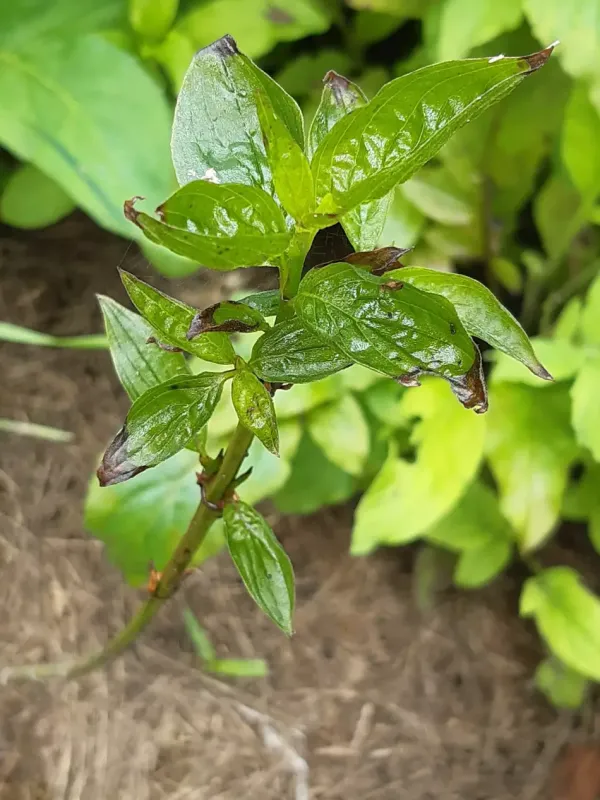
The primary symptom of the disease is the appearance of distinct spots on the leaf blades, usually becoming visible by mid-summer.
These spots are typically circular or irregular in shape, often characterized by a dark margin, which serves as a key diagnostic feature for pathogen identification.
The central part of the necrotic areas may eventually lighten or crack, leading to premature leaf drop during the growing season.
Under conditions of high humidity, tiny black dots known as pycnidia develop on the surface of the affected areas, acting as reservoirs for fungal spores.
Infection typically originates in the lower foliage of the crown and spreads upward if adequate management practices are not implemented.
Pathogen
The disease is caused by the microscopic fungus Phyllosticta cornicola, which belongs to the class of Deuteromycetes.
The pathogen overwinters within fallen infected leaves, which serve as the primary source of initial inoculum during the following spring.
During the growing season, the fungus spreads through pycnidiospores, which are dispersed by wind, rain splashes, or insects to healthy leaf tissues.
The fungal mycelium develops within the leaf tissue, inducing cell necrosis and hindering essential photosynthetic processes in the affected areas.
The pathogen's life cycle is closely linked to environmental humidity, as the germination of spores requires the presence of free moisture on the leaf surface.
Conditions for development
The development of Phyllosticta leaf spot is favored by prolonged rainy weather, high air humidity, and moderately warm temperatures during the summer months.
Dense planting configurations that restrict proper air circulation within the tree canopy create an ideal microclimate for fungal proliferation.
Poor sanitation within the orchard or garden, such as failing to remove plant debris, contributes to the accumulation of a high infectious background.
Reduced plant vigor due to poor agronomic practices or stress from adverse weather conditions makes the Cornelian cherry more susceptible to infestation.
Outbreaks are most frequently observed in the second half of the summer, as the accumulated biomass of spores begins to actively attack weakened foliage.
Why it matters
Massive leaf infection leads to premature drying and defoliation, which significantly weakens the tree ahead of the winter dormancy period.
Disturbances in photosynthetic activity result in reduced carbohydrate storage, which is necessary for the proper maturation of new shoots.
The disease negatively impacts the development of fruit buds, ultimately leading to a significant reduction in the total yield of the Cornelian cherry.
Continuous annual infections cause overall plant decline, retarded growth, and a significant loss of ornamental value in landscape settings.
In severe cases, Phyllosticta leaf spot can act as a stressor, making the tree more susceptible to secondary fungal or bacterial pathogen attacks.
Protection
The primary preventative measure involves the thorough collection and destruction of all fallen leaves during the autumn season.
Regular sanitary pruning of the canopy is essential to improve airflow and facilitate the penetration of direct sunlight to the inner branches.
Chemical control strategies include the application of copper-based fungicides or modern systemic products during high-risk periods.
The application of potassium and phosphorus fertilizers helps to strengthen plant cell walls and enhance overall resistance to fungal infections.
- Conduct regular leaf inspections starting in early June.
- Disinfect gardening tools after pruning to prevent cross-contamination.
- Maintain appropriate planting density to allow for optimal crown ventilation.
Discussion
No discussions yet — be the first.