
Citrus phyllosticta leaf spot
Phyllosticta citriasiana
Description
Symptoms
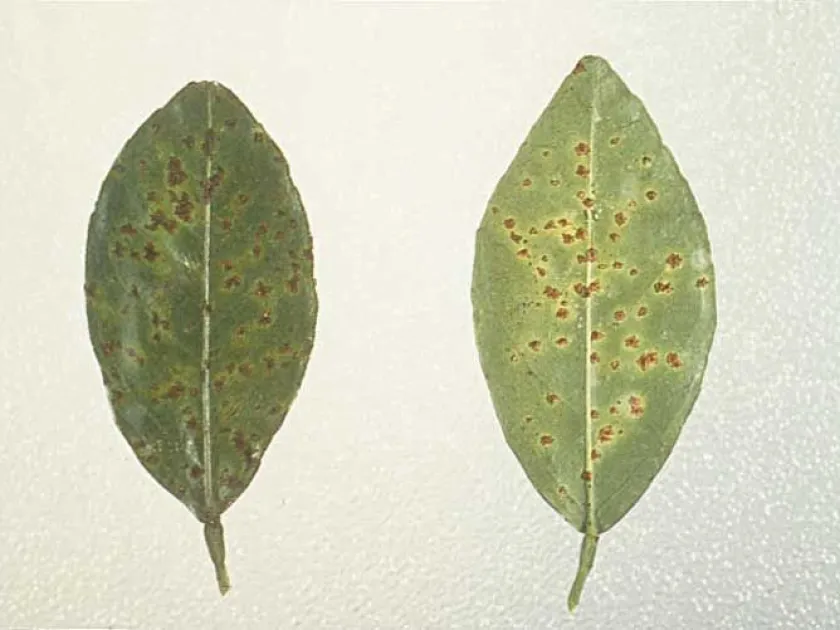
The disease typically presents as small, circular spots on leaves that eventually enlarge and turn brownish-gray, often with a darker defined margin.
A hallmark sign of Phyllosticta citriasiana is the appearance of small, black, pin-head-sized dots in the center of the lesions, which are the fungal pycnidia.
Heavy infections can lead to chlorosis, leaf deformation, and significant premature leaf drop, which weakens the overall health of the citrus tree.
Fruit spots can also develop, resulting in necrotic patches that reduce the aesthetic value and marketability of the citrus harvest.
- visible black pycnidia within necrotic leaf spots;
- browning and enlargement of lesions on foliage;
- premature shedding of infected leaves;
- necrotic spots and blemishes on the fruit rind.
Pathogen
The causative agent of the disease is the ascomycete fungus Phyllosticta citriasiana, which is a common pathogen attacking various citrus species worldwide.
The fungus produces small fruiting bodies called pycnidia, which contain mass amounts of spores that are spread by water splashes, wind, and agricultural tools.
It is classified as a leaf spot pathogen that invades the epidermis and internal tissues, causing localized cellular necrosis.
The pathogen is known for its ability to persist on fallen leaves and dead twigs, serving as a primary source of inoculum for the next growing season.
Biologically, it thrives by colonizing the leaf surface and exploiting stressed plant tissues to develop its reproductive structures.
Conditions for development
High humidity and moderate temperatures ranging from 20°C to 25°C create an ideal environment for the rapid development of the fungus.
Poor airflow within dense tree canopies facilitates the infection process by maintaining moisture levels on leaf surfaces for extended periods.
Frequent rainfall or heavy overhead irrigation promotes the spread of fungal spores from infected debris to healthy plant tissues.
Citrus trees suffering from nutritional imbalances or mechanical stress are significantly more susceptible to successful colonization by the pathogen.
Overcrowded nursery conditions are particularly high-risk environments where the fungus can spread rapidly among young seedlings.
Why it matters
The main impact of this disease is the reduction of the photosynthetic leaf area, which hinders the tree's ability to produce energy and sugar.
Significant defoliation leads to a general decline in tree vigor, reduced fruit yield, and poor development of new growth.
Infected trees often show decreased cold hardiness, making them more vulnerable to frost damage during winter months.
Economic losses arise not only from reduced yield but also from the increased costs associated with fungicidal treatments and disposal of infected materials.
Left untreated, the infection cycle repeats annually, leading to long-term decline and potential death of sensitive citrus varieties.
Protection
Sanitation is the first line of defense; removing and destroying all infected fallen leaves and pruning away symptomatic branches is crucial.
Proper orchard management, including regular pruning to open up the canopy, is necessary to improve air circulation and reduce leaf wetness.
Preventative application of copper-based fungicides during wet weather periods is highly effective in inhibiting spore germination.
Balanced fertilization programs, particularly those containing adequate potassium, can help strengthen cell walls and improve plant disease resistance.
In cases of severe infestation, professional application of systemic fungicides should be integrated into the comprehensive pest management program.
Discussion
No discussions yet — be the first.