
Phyllobathelium epiphyllum
Phyllobathelium epiphyllum
Description
Symptoms
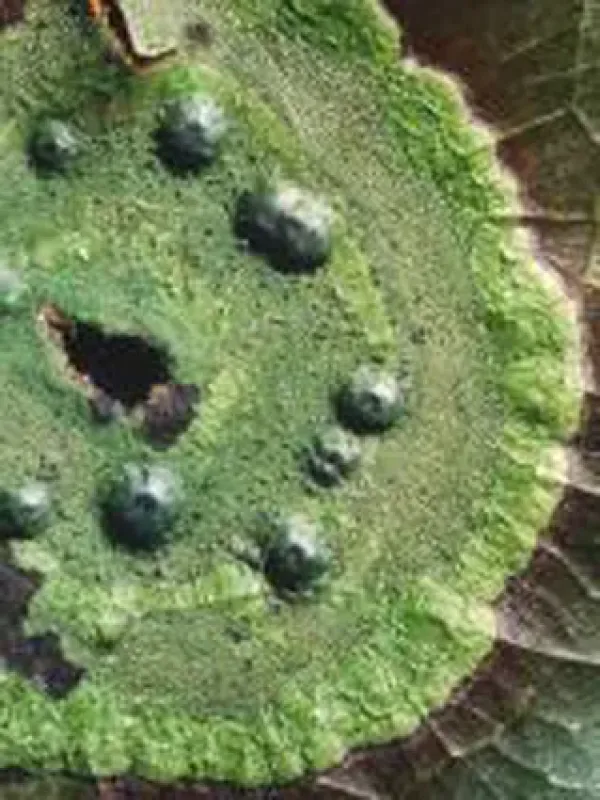
Phyllobathelium epiphyllum manifests as distinct spots on the leaf surface. These structures often appear as slightly raised, pigmented formations that can coalesce into larger affected areas.
The spots usually range in color from light yellow to brown. A characteristic boundary often marks the margin between the infected tissue and the healthy leaf surface.
Infection leads to a reduction in photosynthetic activity in the localized area, as the fungus occupies the leaf surface and disrupts light absorption.
In high humidity, the surface of these spots may exhibit a velvety texture, which indicates the presence of fungal spore-bearing structures.
Symptoms typically begin on the lower leaves of the plant, gradually spreading to younger foliage if environmental conditions remain favorable for the pathogen.
Pathogen
The causative agent is a lichenized fungus or a lichen-like organism that specializes in epiphytic growth on the leaves of plants in humid tropical and subtropical environments.
Phyllobathelium maintains a close relationship with its host, utilizing the organic secretions on the leaf cuticle for its nutritional requirements.
The mycelium penetrates the outer layers of the leaf, though it typically does not cause immediate necrosis, instead draining resources from the plant over time.
The life cycle of the pathogen is intrinsically linked to moisture, as spores require a thin film of water on the leaf surface to successfully germinate and colonize.
Dissemination occurs via air currents and rain splashes, which facilitate the transport of spores from infected foliage to healthy neighboring plants.
Conditions for development
High relative humidity, typically exceeding 80-85%, is the primary prerequisite for the successful development and spread of Phyllobathelium epiphyllum.
Stagnant air and poor ventilation within dense plantings are critical factors, as they prevent leaf surfaces from drying quickly after irrigation or rainfall.
The fungus thrives in tropical to subtropical temperature ranges, which defines its geographic distribution and activity period.
Shaded environments, where there is minimal direct sunlight, provide the stable microclimate that this epiphytic fungus prefers for colonization.
Plants with weakened vigor or compromised cuticle integrity are more susceptible to infection, as the pathogen finds it easier to establish its mycelial network.
Why it matters
The primary damage caused by this pathogen is the physical blocking of the leaf surface, which interferes with photosynthesis and reduces overall plant vigor.
Prolonged colonization results in premature leaf senescence and abscission, which can lead to significant biomass loss if the infection is widespread.
Infected areas act as entry points for secondary opportunistic pathogens, potentially leading to more severe tissue damage and systemic decline.
For ornamental crops, the presence of these fungal colonies significantly detracts from the aesthetic value, leading to financial losses in commercial production.
Continuous nutrient depletion by the fungus stresses the plant, making it less resilient to other biotic and abiotic environmental stressors.
Protection
Cultural management starts with ensuring adequate air circulation through proper plant spacing and selective pruning to prevent moisture accumulation.
Monitoring and controlling greenhouse humidity levels is essential to prevent the prolonged leaf wetness duration that supports spore germination.
Systemic fungicides may be employed to suppress mycelial growth, particularly in instances where the infection poses a threat to plant health and productivity.
Regular scouting and sanitation, including the prompt removal of heavily infected leaves, are effective ways to reduce the inoculum load in the field.
Optimizing plant nutrition to maintain a healthy, robust cuticle is a preventative strategy that makes it more difficult for fungal spores to anchor and establish.
Discussion
No discussions yet — be the first.