
Bauhinia leaf spot
Phyllachora bauhiniae
Description
Symptoms
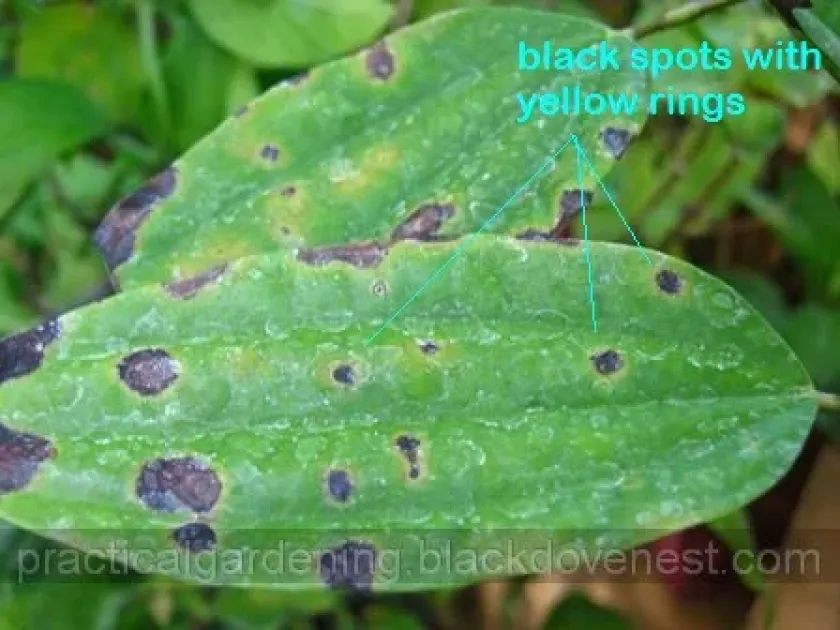
Initial signs of the infection appear as small chlorotic spots on the leaves. These spots gradually darken and harden, evolving into prominent, black, shiny, and slightly raised lesions.
The lesions are often distributed across both surfaces of the leaf and may show a pattern of concentration along the primary leaf veins.
Surrounding the fungal stromata, the leaf tissue may turn yellow and become necrotic, which frequently leads to the distortion of the affected leaf blade.
As the infection progresses, the photosynthetic efficiency of the plant decreases, leading to premature yellowing and eventual leaf drop, especially in heavily infected branches.
The specific morphology of the black, blister-like stromata is the most reliable diagnostic feature that distinguishes this disease from other common leaf spots.
Pathogen
The disease is caused by the ascomycete fungus Phyllachora bauhiniae. This pathogen belongs to the Phyllachorales order and specifically targets plants within the Bauhinia genus.
The fungus's life cycle is strictly dependent on its host plant. Upon infection, the mycelium penetrates the leaf tissue, establishing a complex feeding system within the leaf parenchyma.
The visual presence of the pathogen is marked by the formation of characteristic black stromata. These are dense fungal structures that erupt through the leaf surface to produce spores.
Dissemination is facilitated primarily by rain splashes and wind, which transport the spores to healthy leaves where they germinate under high humidity conditions.
The fungus overwinters on fallen leaves, creating a persistent inoculum source for the following season, which necessitates rigorous sanitation practices to manage the disease.
Conditions for development
High humidity and moisture are the primary drivers for the development and spread of Phyllachora bauhiniae. Frequent rainfall or heavy dew significantly accelerates spore germination.
Tropical and subtropical climates provide the ideal temperature range for the fungus to remain active throughout most of the growing season.
Poor ventilation within the tree canopy, often resulting from dense planting or lack of pruning, creates a stagnant, humid microclimate that promotes infection outbreaks.
Stressed or nutritionally deficient trees exhibit lower natural resistance, making them significantly more susceptible to successful colonization by the fungus.
In nursery or greenhouse settings, excessive overhead irrigation that leaves water on the foliage for extended periods is a major risk factor for disease transmission.
Why it matters
The primary damage is the significant reduction of photosynthetic leaf area, which weakens the tree's overall vigor and limits its nutrient storage capacity.
The aesthetic value of the Bauhinia tree is severely compromised, which is particularly detrimental for trees planted for ornamental or landscape purposes.
Chronic annual infections lead to tree depletion, making the plants more susceptible to secondary pest attacks or other opportunistic diseases.
Severe infestations can lead to shoot tip dieback and stunted growth, effectively altering the natural architecture and growth habit of the tree.
Economically, the disease necessitates regular expenditure on chemical control measures and labor-intensive sanitation to maintain the health of landscape plantings.
Protection
The most critical control measure is the systematic removal and destruction of all fallen leaves, as these act as the primary reservoir for the fungal spores.
Implementing regular pruning of the canopy is essential to improve airflow, which keeps the foliage dry and creates an environment less conducive to fungal growth.
When the disease reaches an outbreak level, the application of copper-based or systemic triazole fungicides can be highly effective in reducing the fungal population.
Maintaining optimal tree health through balanced fertilization and proper hydration helps the plant bolster its natural defense mechanisms against the pathogen.
- Prompt collection of fallen foliage.
- Sanitary pruning to remove infected limbs.
- Application of protective fungicides during wet seasons.
- Ensuring proper spacing to improve ventilation.
- Monitoring foliage for early signs of lesions.
Discussion
No discussions yet — be the first.