
Phragmoxenidium mycophilum
Phragmoxenidium mycophilum
Description
Pathogen
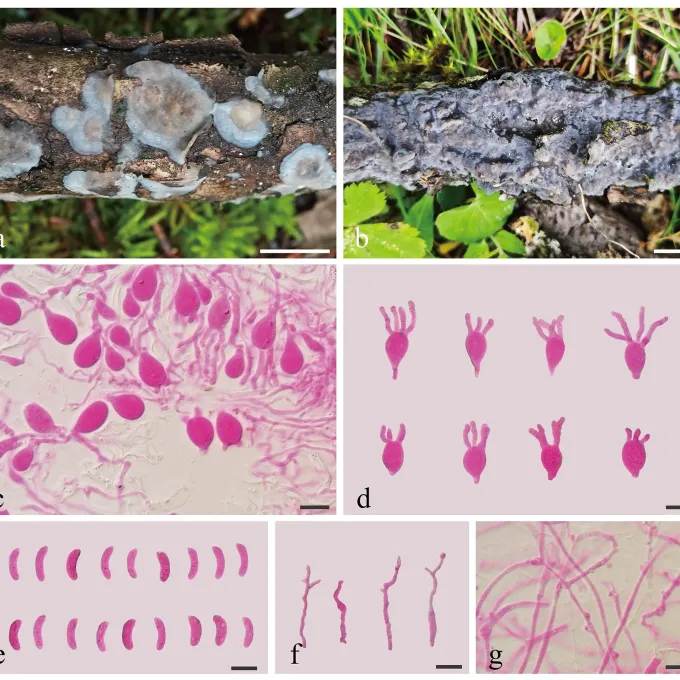
Phragmoxenidium mycophilum is a specialized fungal species belonging to the mycophilic group. This organism does not parasitize higher plants directly; instead, its life cycle depends on infecting and colonizing other fungi.
Biologically, it is classified as a basidiomycete. It operates by attaching itself to the host fungus, utilizing its resources through the formation of specialized reproductive structures on the surface of the host's mycelium or fruiting bodies.
In agronomy, this species is of scientific interest as a potential biological control agent. Because it thrives on fungal tissue, it can naturally suppress the populations of certain harmful pathogenic fungi found in the environment.
Microscopic analysis reveals that the fungus produces hyaline hyphae and distinct basidia. These structures are adapted for efficient absorption of nutrients from the host organism, allowing for rapid colonization under favorable conditions.
Research into this species continues as it provides insights into complex fungal interactions, which could lead to new, environmentally friendly strategies for managing fungal infections in agricultural ecosystems.
Conditions for development
The development of Phragmoxenidium mycophilum is strictly dependent on the presence of a suitable host fungus. High humidity and stable, moderate temperatures are the primary environmental requirements for its growth.
It prefers shaded and damp environments, where a microclimate conducive to the development of both the host and the mycophile is maintained. In the absence of a compatible host fungus, the organism cannot actively proliferate.
Dispersal of fungal spores primarily occurs through wind currents, splashing rain, or insect activity in the field. In greenhouse settings, contaminated equipment or workers can facilitate its spread between production units.
The optimal temperature range for its metabolic activity typically falls between +15°C and +22°C. Fluctuations in moisture content are critical, as sustained high humidity promotes the lifecycle of this species.
Seasonal patterns of the fungus are closely linked to the growth phases and abundance of its host fungi within the surrounding agroecosystem.
Why it matters
Phragmoxenidium mycophilum poses no direct threat to standard agricultural crops. As a mycophilic species, it lacks the ability to damage the tissues of higher plants, rendering it harmless in traditional farming contexts.
However, it is considered a potential nuisance in the mushroom cultivation industry. When it colonizes commercial crops like oyster or button mushrooms, it can negatively affect the visual quality and texture of the fruiting bodies.
Widespread growth on substrate blocks can lead to a decrease in the overall yield and marketability of the mushroom product. This makes it an unwanted guest in professional mushroom farming facilities.
Despite these issues in specialized production, its overall impact on general agriculture is considered neutral or even beneficial, as it acts as a competitor to more destructive fungal pathogens.
Therefore, its danger is highly conditional and largely restricted to facilities that cultivate mushrooms under controlled conditions where the presence of any secondary fungi is undesirable.
Protection
Control measures are only necessary when Phragmoxenidium mycophilum interferes with the production of edible mushrooms. Strict sanitation protocols are the most effective way to prevent its establishment.
Managing the internal climate of mushroom houses, specifically by regulating humidity and improving ventilation, is crucial to limit its growth.
- Regular disinfection of growing surfaces;
- Prompt removal of contaminated substrate;
- Utilization of sterile spawn
Chemical control is generally avoided because fungicides intended for the pathogen may also harm the commercially cultivated mushroom crop. Preventive hygiene remains the primary defense strategy.
Proactive monitoring of mycelial health helps detect infections early, allowing growers to isolate affected areas before the fungus spreads throughout the entire facility.
In open field agriculture, no specific control measures are implemented, as the presence of this fungus is considered part of the natural biological diversity and poses no economic risk to crops.
Discussion
No discussions yet — be the first.