
Phragmidiaceae rust fungi
Phragmidiaceae
Description
Symptoms
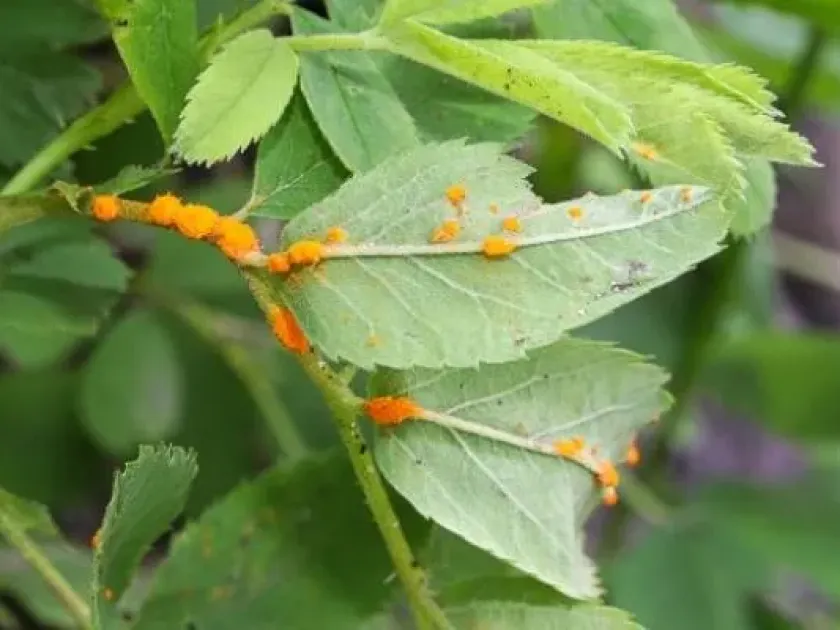
Initial symptoms are characterized by small, bright yellow or orange pustules appearing on the upper surface of leaves. These spots gradually enlarge and can cover significant portions of the foliage as the season progresses.
The underside of the leaves often develops dense spore pads that change color from bright orange (urediniospores) to dark brown or black (teliospores). This shift in color indicates the maturation of the fungus and its preparation for the next stage of the life cycle.
Severe infestations lead to premature yellowing and defoliation, which severely reduces the plant's photosynthetic capacity. This exhaustion of resources leaves the plant vulnerable to winter cold and secondary infections.
Stems can also exhibit symptoms, including lesions, cracking, and deformation, which can lead to twig dieback. If left unchecked, these localized injuries can compromise the structural integrity of the plant.
- Bright orange or yellow spots on leaves.
- Pustule formation on the undersides of leaves.
- Premature dropping of foliage.
- Cracking and lesions on stems and canes.
- Stunted plant growth and development.
Pathogen
The pathogens responsible for this disease are highly specialized fungi from the family Phragmidiaceae, belonging to the order Pucciniales. These organisms are obligate parasites that typically target various species within the Rosaceae family, including roses and raspberries.
The life cycle of these fungi is complex, involving up to five distinct spore stages. This evolutionary adaptation allows the pathogen to survive various environmental conditions and maintain high infection pressure throughout the growing season.
The pathogen overwinters primarily as teliospores on fallen leaves and infected woody debris. In the spring, these spores germinate to form basidiospores, which serve as the primary source of infection for new growth.
These fungi infect plants by penetrating tissues and establishing haustoria within the cells to extract essential nutrients. This process drains the plant's energy and disrupts its normal physiological functions, often leading to severe weakening of the host.
High adaptability and the ability to produce massive quantities of airborne spores ensure that the disease can spread rapidly across vast distances, making it a persistent challenge for commercial and private growers alike.
Conditions for development
The development of Phragmidiaceae is heavily influenced by moderate temperatures and high relative humidity. Frequent rainfall, heavy dew, and high air humidity create the perfect environment for spore germination and colonization.
Poor ventilation and overcrowded plantings are critical factors that promote disease spread. When foliage remains wet for extended periods, the risk of a widespread outbreak increases significantly.
Plants under nutritional stress, particularly those lacking sufficient potassium, or those over-fertilized with nitrogen, are more susceptible to infection. Lush, soft growth caused by excess nitrogen is particularly vulnerable to fungal penetration.
The presence of overwintering inoculum in garden debris acts as a primary catalyst for spring outbreaks. Hygiene is essential, as the fungus can persist in the soil and on plant remnants for multiple seasons.
Monitoring environmental conditions is key for disease management, as prolonged periods of moisture combined with optimal temperatures provide the "green light" for the pathogen to thrive throughout the growing season.
Why it matters
The primary harm caused by these rust fungi is the depletion of the plant's carbohydrate reserves. This weakening effect significantly reduces the plant's ability to survive harsh winter conditions and lowers overall winter hardiness.
For fruit-bearing plants, the disease negatively impacts crop quality and total yield. Nutrients that should be directed toward fruit development are diverted to the fungus, resulting in smaller, less flavorful produce.
In ornamental roses, the aesthetic impact is severe. Rust disfigures the foliage and triggers premature leaf loss, destroying the visual appeal of the landscape and forcing growers to resort to intensive chemical control.
Chronic infections can lead to the slow decline and eventual death of the entire plant. Without intervention, the constant drain of vitality makes the host susceptible to environmental stressors and other opportunistic pests.
Economic damage involves the direct costs of fungicides, labor for intensive garden maintenance, and the potential loss of valuable cultivars that require replacement after severe disease pressure.
Protection
Sanitation is the cornerstone of effective rust management. This includes the complete removal and destruction of all infected plant materials, particularly fallen leaves in the autumn, to eliminate the pathogen's overwintering sites.
Application of systemic fungicides, such as those containing triazoles or strobilurins, is often necessary during the growing season. Alternating active ingredients is recommended to prevent the fungus from developing resistance.
Cultural practices, such as proper pruning for airflow and choosing planting sites with good air circulation, play a crucial role in prevention. Always irrigate at the base of the plant to keep the foliage as dry as possible.
Balanced fertilization, avoiding excessive nitrogen and ensuring adequate potassium levels, helps reinforce the plant's natural defense mechanisms against fungal ingress.
Selecting and planting resistant cultivars remains the most sustainable and efficient strategy for managing Phragmidiaceae in the long term, reducing the dependency on continuous chemical interventions.
Discussion
No discussions yet — be the first.