
Description
Symptoms
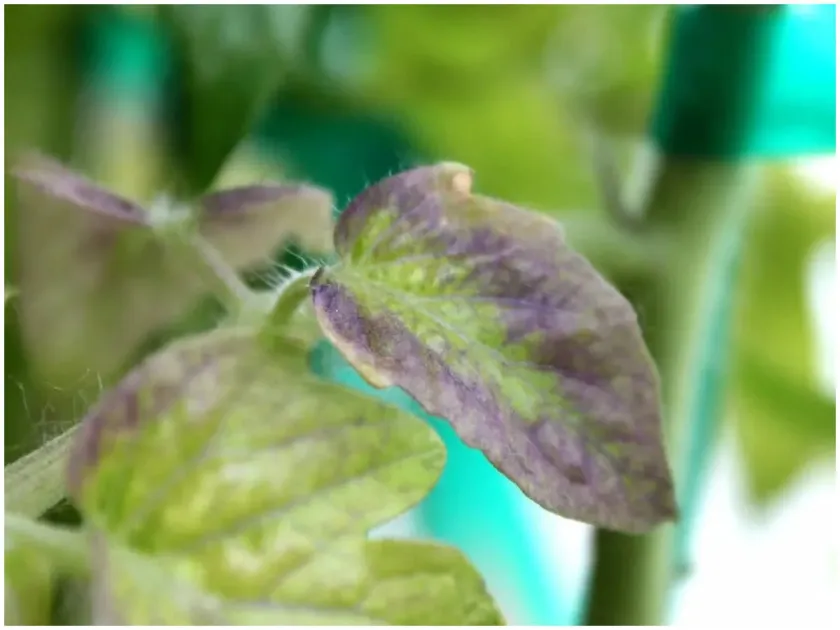
The most distinctive symptom of phosphorus deficiency is the development of a dark green color, often accompanied by purple or reddish tints on the leaves.
In corn crops, this pigmentation typically appears on the margins of older, lower leaves as the plant translocates phosphorus to younger tissue.
Growth becomes severely stunted, with plants showing thin stems and underdeveloped root systems that lack complexity and vigor.
Reproductive development is delayed, often resulting in poor cob fill, irregular kernel distribution, and lower test weight in grain crops.
- Purple or dark blue discoloration of foliage.
- Delayed maturity and stunted vertical growth.
- Reduced root system development and branching.
- Upward curling of leaf edges.
- Poor grain development and irregular filling.
Pathogen
Phosphorus deficiency is not an infectious disease but a physiological disorder caused by an insufficient supply of bioavailable phosphorus in the soil.
The element is essential for adenosine triphosphate (ATP) synthesis, which acts as the primary energy currency for all plant metabolic processes.
Without adequate phosphorus, plants fail to perform necessary energy transfers, leading to stunted development and weak root establishment.
This disorder is widespread in modern agriculture, often occurring even when phosphorus is present in the soil but locked in unavailable forms.
It is classified as a metabolic bottleneck that prevents crops from utilizing other essential inputs like nitrogen and water efficiently.
Conditions for development
Environmental factors significantly dictate the availability of phosphorus, which is notoriously immobile in most soil types.
Cold, wet soil conditions early in the growing season are the primary cause of transient phosphorus deficiency due to reduced root metabolic activity.
Extreme soil pH levels significantly impede nutrient uptake; in acidic soils, phosphorus binds with iron and aluminum, while in alkaline soils, it binds with calcium.
Poor soil aeration and compaction restrict oxygen access, which is necessary for the active transport of phosphate ions into the root system.
Lack of mycorrhizal fungi activity in the soil can also limit the plant's ability to access phosphorus trapped in organic matter or mineral particles.
Why it matters
Phosphorus deficiency causes substantial economic losses by reducing total biomass production and overall harvest yield.
Plants suffering from this disorder demonstrate poor recovery from stress, including drought, chilling, and soil compaction.
Reduced root depth makes crops prone to lodging and increases sensitivity to nutrient leaching in surface soil horizons.
Grain quality is negatively impacted, as phosphorus is essential for starch synthesis and seed filling during the later stages of crop development.
Persistent deficiency can lead to chlorosis and tissue necrosis, ultimately resulting in the loss of plant stands and reduced field uniformity.
Protection
The primary management strategy involves regular soil testing to determine phosphorus indices and establish site-specific fertilization programs.
Starter fertilizers applied at planting provide a concentrated source of phosphorus, supporting early growth when soil temperatures are suboptimal.
Adjusting soil pH through liming is critical for releasing locked-up phosphorus, ensuring the soil chemistry supports nutrient uptake.
Foliar feeding with soluble phosphorus fertilizers acts as an effective emergency measure to bypass soil-related uptake issues.
Improving soil organic matter content promotes biological activity, which naturally enhances the solubilization and uptake of mineral nutrients.
Pathogens and affected parts
Affects crops · 1
Discussion
No discussions yet — be the first.