
Phomopsis stem blight
Phomopsis impatientis
Description
Symptoms
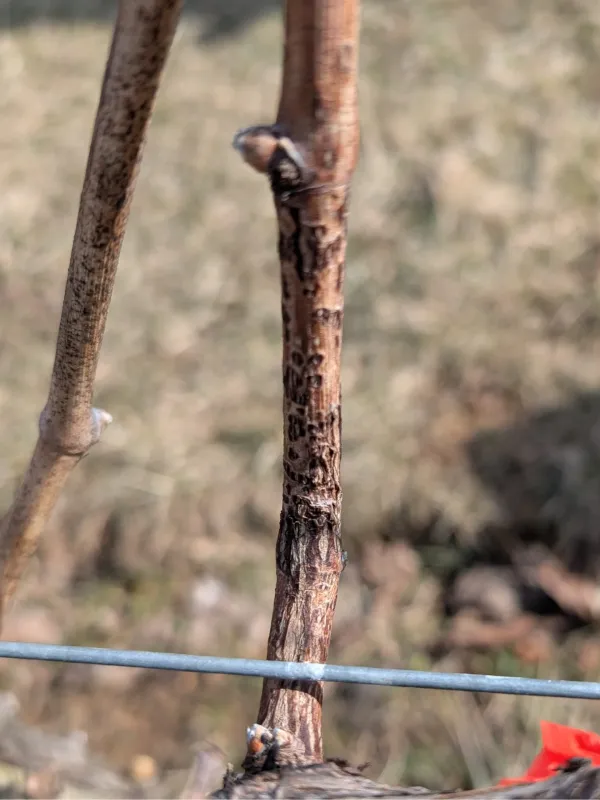
The initial sign of the disease is the appearance of sunken brown or dark gray spots on the stems and leaf petioles. As the infection progresses, these spots expand and can girdle the stem.
Tiny black dots, representing the pycnidia of the pathogen, can be seen in the center of necrotic lesions. They are often arranged in rows or clusters, which is a hallmark diagnostic feature for species within the Phomopsis genus.
Infected tissues gradually wilt, leading to the death of individual shoots or the entire plant. Leaves in the affected area turn yellow, wither, and drop prematurely, severely disrupting photosynthesis.
In high humidity, a sparse whitish or grayish film may appear on the lesions, representing the conidial sporulation of the fungus.
In advanced cases, the stem loses its structural integrity, becomes brittle, and easily breaks at the site of the necrosis, cutting off the supply of water and nutrients to the upper parts of the plant.
Pathogen
The causal agent of this disease is the fungus Phomopsis impatientis, which belongs to the class of Deuteromycetes. This microorganism is highly specialized and primarily attacks plants belonging to the Balsaminaceae family.
The fungus produces pycnidia — specialized spore-bearing structures that often develop within infected plant debris. These pycnospores serve as the primary source of infection spread throughout the growing season.
The life cycle of the pathogen is closely tied to the presence of moisture, which is necessary for the release of spores from the fungal fruiting bodies. The pathogen overwinters as mycelium or spores in the soil and on residual plant material.
The biology of Phomopsis impatientis involves high specificity, meaning the disease rarely spreads to unrelated crop families. The infection can remain viable in harsh environmental conditions for extended periods.
It is a facultative parasite that becomes highly aggressive when the host plant's immunity is compromised. Asexual reproduction allows the pathogen to quickly establish new infection sites in dense plantings.
Conditions for development
High humidity and moisture levels, common in crowded plantings or greenhouses, favor the development of the disease. The optimal temperature for rapid fungal growth ranges from 20 to 25 degrees Celsius.
Water droplets on leaf and stem surfaces act as the primary catalyst for spore germination. Frequent rain, heavy dew, or condensation in controlled environments significantly accelerates the spread of the infection.
Poor agricultural practices, particularly inadequate ventilation in greenhouses, create a microclimate conducive to pathogen reproduction. Air stagnation prevents plant tissues from drying, facilitating fungal entry.
Physical injuries to the stems, whether from handling or insect pests, provide entry points for the infection. Healthy plants with strong natural defenses are significantly more resistant to Phomopsis impatientis.
Low light levels and potassium deficiencies can lead to etiolated, weak growth, making the plants more susceptible to fungal colonization.
Why it matters
The disease causes significant damage to the aesthetic quality of plantings by inducing shoot dieback and general plant decline. In commercial nurseries, this leads to loss of saleable product and severe economic impact.
Under favorable conditions, the infection can destroy a large portion of an Impatiens collection in a short period. Affected plants serve as a constant source of inoculum for healthy neighboring plants.
Reducing the overall vigor of the plants makes them vulnerable to secondary bacterial infections, which accelerate tissue decay and complicate accurate diagnosis and management.
The long-term survival of spores in the soil creates a high risk of re-infection in subsequent years if the crop is planted in the same location. The disease can spread via contaminated tools and planting stock.
Failure to control the initial outbreak leads to a buildup of pathogenic pressure, eventually necessitating radical measures like soil sterilization and building disinfection.
Protection
The primary control strategy is strict adherence to cultural practices, including providing proper ventilation and avoiding overwatering. Maintaining adequate spacing between plants is crucial for improved airflow.
- Removal and destruction of all plant debris at the end of the season.
- Prompt roguing and disposal of infected plant specimens.
- Using only certified, disease-free planting material.
- Application of systemic fungicides upon the first detection of symptoms.
- Regular disinfection of soil, growing media, and maintenance tools.
Chemical control must be focused on suppressing spore formation. Copper-based products and systemic fungicides that block mycelial development within tissues are effective options.
Preventative treatments should be applied during high-risk periods, especially under warm and rainy weather conditions. Prevention is always more effective than treating established infections.
Crop rotation and avoiding continuous Impatiens cultivation on the same plot help significantly reduce the risk of recurring disease outbreaks in the future.
Discussion
No discussions yet — be the first.