
Phomopsis root rot
Phomopsis dauci
Description
Symptoms
Initial symptoms of Phomopsis root rot appear on leaves as small, brownish necrotic spots surrounded by a yellow halo. These spots eventually enlarge and merge, leading to premature wilting and death of the foliage.
The stems and petioles often exhibit elongated, sunken lesions that turn dark brown as the infection progresses. Under humid conditions, small black pycnidia become visible on the surface of these necrotic tissues.
Severe infection significantly reduces the photosynthetic area of the plant, which hampers the development of the carrot root. The reduced leaf vitality directly correlates with lower yields and smaller root size.
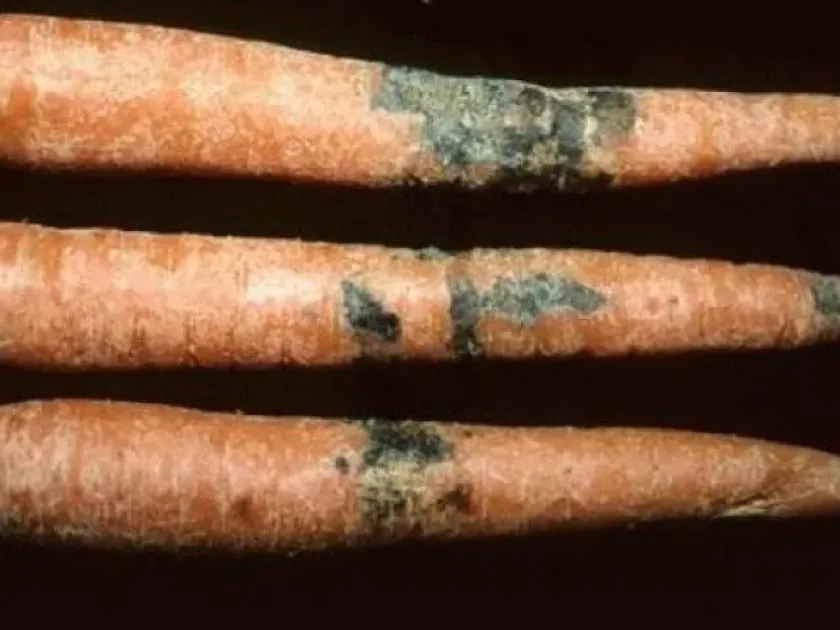
Root symptoms include darkening and rotting of the crown area. In advanced stages, the infected tissue becomes soft and spongy, making the carrot susceptible to secondary infections by various opportunistic soil bacteria.
Accurate field identification requires careful observation of the pycnidia patterns. If symptoms are present, early detection is crucial to prevent the pathogen from spreading throughout the entire plot.
Pathogen
The causative agent of this disease is the fungus Phomopsis dauci, a member of the deuteromycetes group. This pathogen is highly specialized and primarily infects plants belonging to the Apiaceae family, including carrots.
The fungus survives in the soil on infected plant debris and can also be transmitted via contaminated seeds. It produces pycnidia, which are specialized reproductive structures containing conidia that facilitate the spread of the disease.
Conidia are dispersed through rain splashes, irrigation water, and wind, allowing the pathogen to spread across fields during the growing season. The high adaptability of the fungus makes it a persistent threat in many agricultural areas.
The pathogen enters the plant tissues through stomata or physical wounds, such as those caused by mechanical damage or insect feeding. Once inside, the mycelium colonizes the intracellular spaces, disrupting normal plant physiology.
The biological cycle of Phomopsis dauci is closely tied to environmental conditions, with the fungus becoming particularly aggressive as the crop approaches the maturity stage, directly affecting the yield quality.
Conditions for development
High humidity and prolonged periods of wet weather are the primary drivers for the development and spread of this disease. Rain, heavy fog, and dew provide the necessary moisture for conidial germination and infection.
Temperatures ranging from 18°C to 25°C are optimal for the growth of Phomopsis dauci. During this range, the pathogen exhibits maximum virulence and infectivity towards carrot tissues.
Dense plant spacing and poor field drainage contribute to a microclimate with high relative humidity, which is ideal for the fungus. Proper field management is essential to break these favorable conditions.
Nutritional imbalances, particularly deficiencies in potassium, can weaken the plant's natural immune system, making it more susceptible to infection. Vigorous, well-fertilized plants show significantly higher tolerance.
Continuous cropping in the same field encourages the buildup of the fungal inoculum in the soil. Without appropriate rotation, the pathogen population increases yearly, making it harder to control effectively.
Why it matters
The primary harm caused by Phomopsis root rot is a substantial reduction in both the yield quantity and the commercial quality of the carrots. Necrotic foliage stunts the growth of the roots significantly.
Infected roots are prone to rapid decay during storage. Even if the damage appears minor at harvest, the fungus can progress under storage conditions, leading to significant post-harvest losses.
The disease negatively impacts the sensory and nutritional qualities of the carrots, including sugar content and texture. This makes the produce unmarketable for both retail and processing purposes.
Economic losses are compounded by the need for additional fungicide treatments and the increased labor required to sort and remove rotten produce after harvesting from infested fields.
Phomopsis root rot can jeopardize the sustainability of carrot production in specific regions, leading to increased pressure on the growers and potentially necessitating long-term land resting or remediation.
Protection
Implementing a strict crop rotation program (at least 3-4 years without apiaceous crops) is the most effective cultural method to starve the pathogen and reduce the inoculum levels in the soil.
Using high-quality, disease-free seed that has been treated with appropriate fungicides is essential to prevent the introduction of the pathogen into new, clean production areas.
Improving field ventilation through proper sowing density and diligent weed management significantly reduces the humidity levels at the foliage level, thereby hindering the infection process.
Targeted fungicide applications during the vegetative phase, following local economic threshold recommendations, help suppress the disease spread in years with high rainfall and humidity.
Sanitation practices, such as deep plowing to bury plant debris and ensuring that carrots are thoroughly dried before being stored in cool conditions, are critical steps in reducing the disease impact.
Discussion
No discussions yet — be the first.