
Phoma
Phomatodes
Description
Symptoms
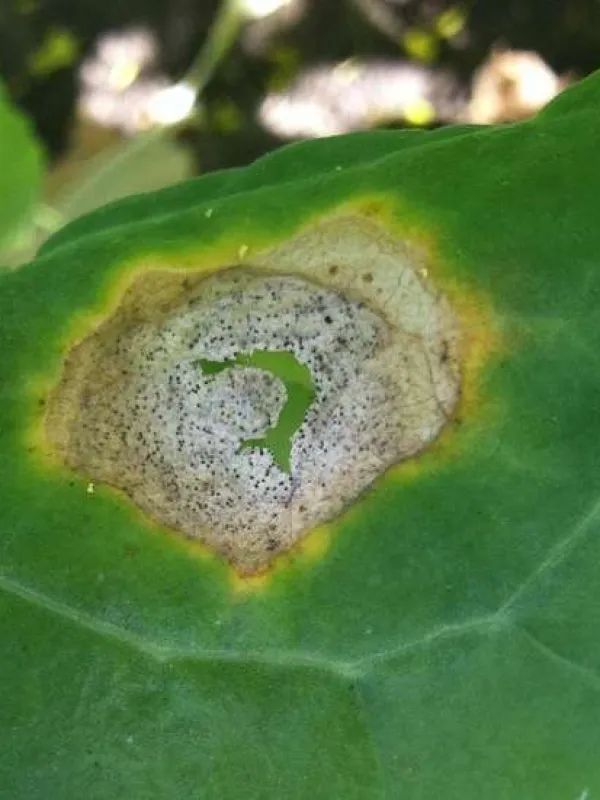
Initial symptoms of Phoma infection typically appear as small, light-colored spots on leaves and stems, often encircled by a darker, necrotic margin.
As the infection progresses, distinct black pinhead-sized spots — the pycnidia — become visible within the dead or dying tissue areas of the plant.
Infection of the stem base or crown is particularly devastating, leading to stem cankers that restrict nutrient transport and cause systemic wilting of the plant.
Root crops infected with Phoma often show dark lesions that deepen into internal rot, compromising the structural integrity and marketability of the produce.
Affected plants usually exhibit stunted growth, yellowing foliage, and premature senescence compared to healthy crops within the same planting site.
Pathogen
Phoma is a major fungal disease caused by various species of the genus Phoma, which act as necrotrophic pathogens on a wide range of host plants.
The disease is characterized by the production of pycnidia, small black fruiting bodies that develop within the infected tissues and release numerous spores.
These fungi are soil-borne and seed-borne, capable of surviving for several years as mycelium or chlamydospores in plant debris left in the field.
The life cycle of the pathogen is driven by environmental moisture, which triggers spore dispersal and infection of new tissues through mechanical wounds or natural openings.
As the mycelium colonizes the host, it produces enzymes that degrade plant cell walls, leading to tissue necrosis and the eventual collapse of affected plant parts.
Conditions for development
Phoma thrives in humid and temperate climates, with optimal infection occurring during periods of frequent rainfall and moderate temperatures between 15°C and 25°C.
High relative humidity is essential for the germination of conidia and their subsequent penetration into the plant epidermis, often facilitated by lingering leaf wetness.
Dense planting patterns promote the spread of the fungus by preventing adequate airflow, thereby maintaining the moisture levels required for aggressive fungal growth.
Stress factors, such as poor soil nutrient balance or infestations by secondary pests, significantly lower the host plant's resistance to Phoma colonization.
Fields with poor drainage are at a higher risk of Phoma outbreaks, as water accumulation provides the perfect environment for spore dispersal throughout the crop canopy.
Why it matters
Phoma causes severe economic losses by reducing both the yield quantity and the overall quality of agricultural products harvested from the field.
Infected crops are highly susceptible to secondary rot during storage, leading to significant spoilage in warehouses and transportation chains.
Seedlings emerging from contaminated seeds often suffer from "damping-off," resulting in poor stand establishment and the need for costly replanting.
The damage caused by stem cankers can lead to lodging, making mechanical harvesting difficult and further reducing the amount of marketable produce.
Overall, Phoma remains a major constraint in high-intensity agriculture, necessitating consistent monitoring and expensive chemical interventions to minimize losses.
Protection
An effective management strategy relies on cultural practices, including long-term crop rotation to reduce the build-up of fungal inoculum in the soil.
Sourcing certified disease-free seeds and applying high-quality fungicides as a seed treatment are critical first steps in preventing initial infection.
Post-harvest sanitation, such as the deep incorporation or removal of crop residues, helps destroy the primary overwintering sites for the pathogen.
During the growing season, systemic fungicide applications should be timed to coincide with the periods of highest infection pressure and favorable weather conditions.
- Planting resistant or tolerant crop varieties.
- Maintaining optimal soil drainage and aeration.
- Balanced fertilization to boost plant immunity.
- Implementing effective weed management programs.
Discussion
No discussions yet — be the first.