
Coffee Phoma
Phoma costaricensis
Description
Symptoms
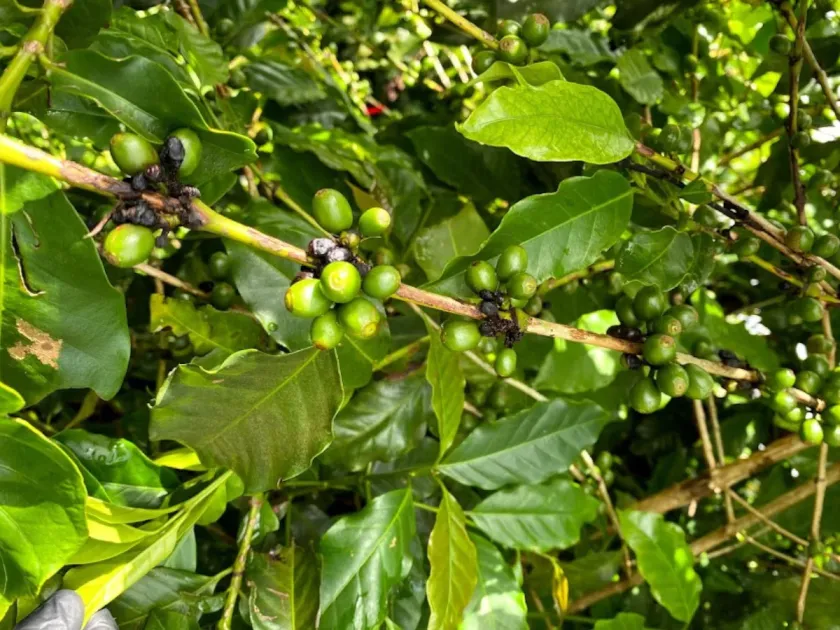
Initial symptoms are characterized by small, dark, and often circular spots appearing on the leaves. These lesions eventually expand and become necrotic, often surrounded by a chlorotic halo.
Shoot dieback is a common and destructive sign. Infected twigs turn brown or black, lose their leaves, and eventually wither and die, which halts the vertical growth of the tree.
Infection of the floral structures results in bud blight. The flowers blacken and dry up before they can bloom, significantly reducing the potential yield of the coffee harvest.
Berries also show signs of infection through the development of sunken, dark lesions. These spots may eventually cause the entire berry to rot, rendering it useless for processing.
In advanced stages of the disease, the entire plant may show signs of severe stress, including stunted growth and leaf drop, making the trees look sparse and unhealthy.
Pathogen
The causal agent of this disease is the fungus Phoma costaricensis, which belongs to the Deuteromycota group. This pathogen is a significant threat to coffee plantations in tropical and subtropical regions.
The fungus survives primarily in plant debris, dead leaves, and infected twigs on the ground. These act as the primary inoculum reservoir, ensuring the disease persists from one season to the next.
Dissemination occurs via conidia, which are easily spread through splashing rain, wind, or agricultural equipment. The fungal spores settle on healthy tissues and initiate the infection cycle.
Once the spores land on a host, they germinate and penetrate the plant tissues, typically through stomata or wounds. Inside, the mycelium colonizes the host's cells, extracting nutrients and causing cell death.
The biological cycle of this fungus is highly adaptive, allowing it to thrive whenever environmental conditions permit, making it a persistent challenge for coffee producers.
Conditions for development
The development of Coffee Phoma is heavily dependent on moisture. Prolonged rainfall, high relative humidity, and cloudy weather create an ideal environment for spore germination.
Moderate temperatures, typical of high-altitude coffee cultivation regions, are perfect for the growth of Phoma costaricensis mycelium and the production of new conidia.
Dense planting patterns that restrict airflow create humid microclimates within the plantation canopy, which accelerates the spread of the fungus between neighboring trees.
Mechanical damage caused by harvesting, pruning, or insect infestations provides easy entry points for the fungus into the plant's vascular system and tissues.
Imbalanced nutrient levels, especially nitrogen over-application, can lead to succulent growth that is more susceptible to rapid colonization by the pathogen.
Why it matters
The economic impact of this disease is substantial, as it directly damages the reproductive parts of the tree, leading to severe yield losses in terms of quantity.
Beyond quantity, the quality of the coffee beans is often compromised. Berries that are infected early may result in beans with poor aroma and flavor profiles.
Repeated annual infections can lead to the systemic weakening of the trees, resulting in chronic low productivity and, in extreme cases, the total death of the plantation.
Managing the disease requires significant investments in chemical applications and labor-intensive pruning, which increase the overall production costs per unit.
Global trade regulations and quarantine measures may be triggered if the pathogen is detected in export batches, impacting the financial sustainability of local coffee farms.
Protection
Sanitation is the cornerstone of control. Regularly pruning infected branches and removing diseased plant material from the orchard is essential to reduce the local spore population.
Fungicide programs, particularly those incorporating copper-based compounds, can be effective if applied proactively during the early stages of the rainy season.
Proper canopy management, including strategic pruning to increase aeration and sunlight penetration, helps to dry out foliage and discourage fungal growth.
Maintaining a balanced fertility program is crucial to ensure plant vigor, which naturally enhances the tree’s ability to resist and recover from infections.
- Systematic monitoring for early symptoms of leaf and shoot blight.
- Disinfecting pruning tools between trees to prevent cross-contamination.
- Integrated pest management to reduce insect-related injuries.
- Selecting resistant coffee varieties where suitable to the region.
Discussion
No discussions yet — be the first.