
Pholiotina
Pholiotina
Description
Symptoms
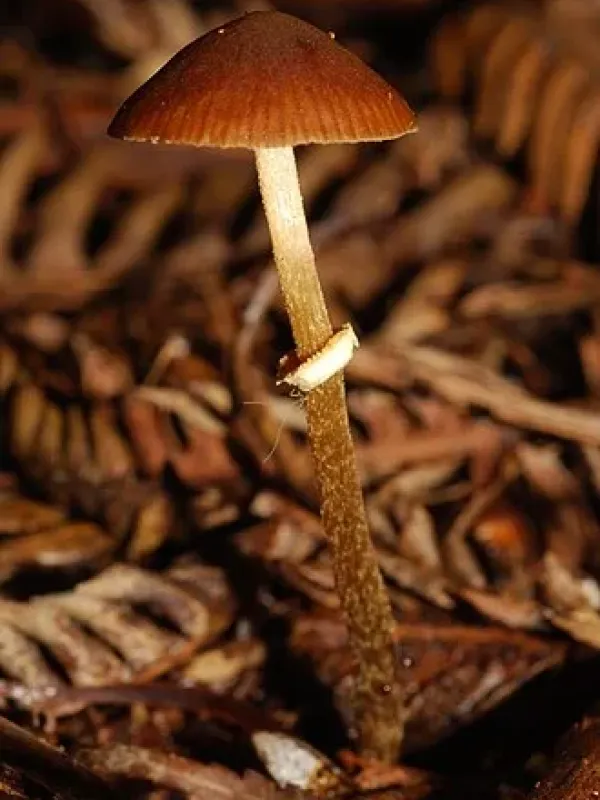
The most visible sign of Pholiotina is the appearance of small, brown, umbrella-shaped mushrooms growing from the soil surface.
These mushrooms often appear in clusters, sometimes forming patches or circular patterns in lawns that are rich in organic matter.
The cap color can range from light tan to deep reddish-brown, often fading slightly as the mushroom matures and dries out.
Affected turf areas might show signs of minor discoloration or yellowing due to the fungal mycelium colonizing the root zone.
A distinct earthy or fungal smell may be detectable, especially after irrigation or rain, signifying active growth of the fungal mycelium.
Pathogen
The genus Pholiotina belongs to the Bolbitiaceae family and comprises saprophytic fungi that are commonly found in soils, compost, and organic mulch.
While these organisms are not typically plant pathogens that infect living tissues, their presence as saprotrophs is often considered a nuisance in professional turf management.
The fungus functions by decomposing dead organic matter, effectively breaking down cellulose and lignin present in the soil environment.
They are biologically closely related to the Conocybe genus, and caution is advised as certain species may contain toxic compounds harmful if ingested.
The life cycle relies on the production of spores, which are easily dispersed by wind and water, allowing the fungus to colonize new areas rapidly.
Conditions for development
Pholiotina thrives in environments characterized by high moisture levels and a steady supply of decaying organic material.
Excessive irrigation that keeps the surface soil constantly wet creates an ideal nursery for the fungus to establish and produce fruiting bodies.
Cool, humid weather conditions, such as those found during rainy springs or autumns, are perfect for the rapid development of these fungi.
Poor soil aeration and dense turf thatch layers provide the necessary shelter and sustenance for the mycelial networks to expand.
Lawns with high concentrations of wood chips, bark mulch, or old straw are particularly prone to outbreaks due to the abundance of cellulose food sources.
Why it matters
The primary harm is the aesthetic degradation of lawns, golf courses, and ornamental gardens, which often requires remedial maintenance.
Fungal patches can interfere with the uniform growth of healthy grass, occasionally leading to localized thin spots or turf decline.
The potential toxicity of some species poses a significant health risk to domestic pets and children if they accidentally ingest the fruiting bodies.
The presence of expansive mycelium can affect soil drainage properties, potentially leading to hydrophobic conditions in some cases.
Uncontrolled growth can lead to persistent recurring outbreaks, requiring consistent and long-term management to mitigate the impact.
Protection
Effective management begins with improving soil drainage and ensuring that the irrigation schedule does not cause waterlogging of the soil surface.
Regular thatch removal through scarification is crucial to eliminate the organic debris that serves as food for the fungus.
Core aeration helps improve oxygen flow into the soil, creating an environment that is less hospitable to most lawn-inhabiting fungal species.
Manual removal of mushrooms should be performed as soon as they emerge to prevent spore dispersal and further colonization of the area.
In severe cases, targeted fungicide application may be considered, though it should always be combined with improved cultural practices to be successful.
Discussion
No discussions yet — be the first.