
Pholiota microspora
Pholiota microspora
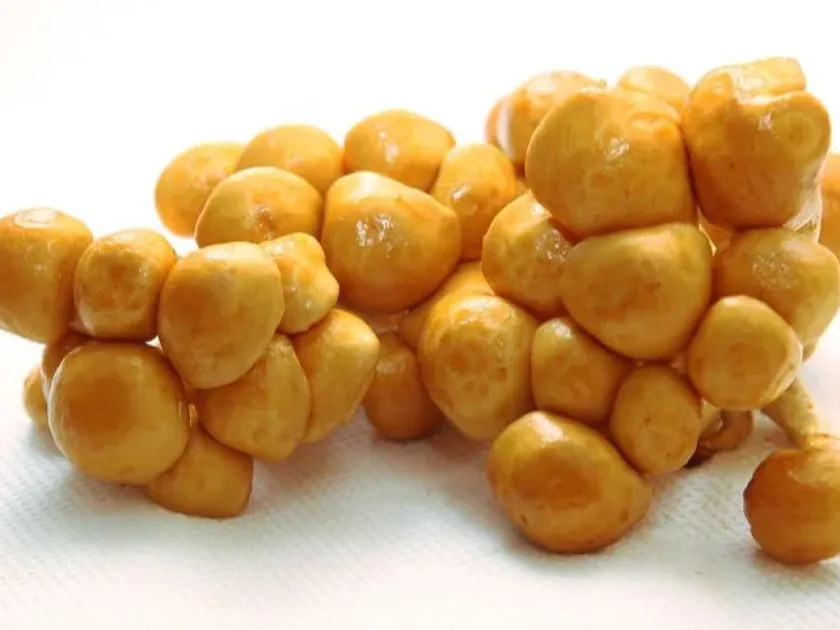
Description
Symptoms
The most prominent sign of infection is the presence of yellow-brown fruiting bodies clustered on the bark, indicating active colonization of the tree interior.
Internal wood tissue in the affected areas becomes soft, friable, and discolored, which is a clear diagnostic feature of the wood rot caused by this fungus.
As the infection progresses, the bark on the affected sections may flake off, revealing a network of fungal threads known as mycelium covering the decaying wood.
Trees show visible signs of decline, including premature leaf fall, reduced growth rates, and increased branch fragility during storms or high wind events.
Cross-section inspection of infested wood reveals a loss of natural luster and a spongy texture, confirming advanced decay and fungal activity.
Pathogen
Pholiota microspora is a wood-decaying fungus belonging to the Strophariaceae family, acting as a facultative parasite or saprotroph in forest ecosystems.
The pathogen typically invades weakened deciduous trees, entering through bark wounds, frost cracks, or areas of dead tissue within the trunk or branches.
Biologically, this fungus is a xylotroph capable of actively degrading cellulose and lignin, which results in the rapid loss of structural integrity of the wood.
The fungus produces visible fruiting bodies that often emerge in clusters on the surface of the affected wood, particularly after periods of high humidity.
Dissemination occurs primarily via spores, which are dispersed by wind or insects, facilitating the spread of the pathogen to new host trees in the vicinity.
Conditions for development
Development of Pholiota microspora is strictly regulated by the moisture content of the wood; optimal growth occurs when humidity exceeds 20-30%.
The temperature range between +15°C and +25°C is considered ideal for the rapid expansion of the mycelium and the production of new reproductive fruiting bodies.
Poorly managed forest stands with high levels of debris and restricted airflow create the high-humidity microclimate required for the fungus to thrive.
The presence of open wounds, sunscald, or mechanical damage on tree trunks serves as a primary entry point, significantly increasing susceptibility to infection.
Trees already stressed by environmental factors, such as drought or poor soil aeration, have weaker immune defenses, making them prime targets for this pathogen.
Why it matters
The primary economic impact is the severe reduction in timber quality, rendering the wood unfit for construction or industrial use due to structural failure.
The pathogen causes internal stem rot, which can lead to the eventual death of the tree and loss of overall forest stand productivity and health.
In parks and urban areas, infected trees pose a significant safety risk to the public due to the likelihood of branch breakage or total tree collapse.
Large-scale infestations necessitate costly sanitation measures, including the removal of dead or dying trees to prevent the spread to adjacent healthy specimens.
Pholiota microspora contributes to the degradation of woody biomass, representing a substantial loss of ecological value in affected forest environments.
Protection
The most effective management strategy involves proactive sanitation logging, which requires the prompt removal and disposal of infected trees.
Proper silvicultural practices are essential, including the careful treatment of trunk wounds with fungicides or protective wound dressings to block spore entry.
Maintaining optimal stand density helps ensure adequate airflow, reducing local humidity and preventing the development of favorable conditions for the fungus.
Regular forest health monitoring is critical to identifying early-stage infections before they spread throughout a particular stand or area.
- Immediate removal of infected woody material from the site
- Prevention of mechanical injury during logging operations
- Application of bio-fungicides to protect exposed wood tissues
Discussion
No discussions yet — be the first.