
Phialophorosis
Phialophora verrucosa
Description
Symptoms
Initial symptoms are characterized by persistent wilting, even when soil moisture levels are adequate, often affecting the upper canopy first.
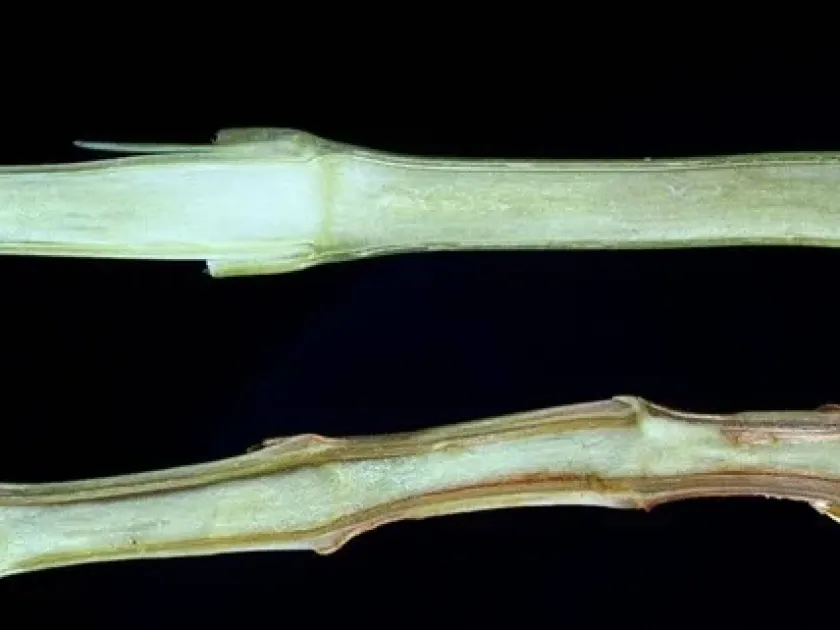
Cross-sections of stems or roots reveal distinct dark brown or black vascular discoloration, which is a diagnostic hallmark of this infection.
As the disease progresses, leaves undergo chlorosis followed by necrosis, eventually leading to the premature shedding of foliage.
Infected plants show significantly stunted growth, reduced internode length, and a general lack of vigor throughout the growing season.
Severe infestations often result in the collapse of the plant stem near the root crown, especially in humid and poorly ventilated greenhouse conditions.
Pathogen
The disease is caused by the fungus Phialophora verrucosa, a dematiaceous hyphomycete known for its dark-pigmented mycelium and conidia.
This pathogen acts as a soil-borne fungus, capable of surviving in decaying plant debris and various substrates for extended periods.
The infection initiates through the root system or wounds in the plant stem, where the fungus enters and colonizes the vascular tissues.
Once inside, the fungus produces toxins and mycelial growth that obstruct the xylem vessels, directly interfering with water and nutrient transport.
The reproduction of the fungus occurs via conidia, which are easily disseminated by irrigation water, contaminated tools, or insects within the growth environment.
Conditions for development
The development of Phialophora verrucosa is favored by high temperatures, generally ranging from 25 to 30 degrees Celsius.
Excessive soil moisture and poor drainage create an ideal microclimate for the rapid colonization and spread of this fungal pathogen.
Improper soil pH levels and an imbalance in nitrogen fertilization can weaken the plant's natural defense mechanisms, increasing vulnerability.
Root damage caused by mechanical cultivation or soil-dwelling pests significantly accelerates the entry of the fungus into the plant tissues.
The lack of crop rotation and continuous cultivation of susceptible species contribute to the massive accumulation of fungal propagules in the soil.
Why it matters
Phialophorosis is a destructive disease that causes vascular wilt, leading to a substantial decrease in crop yield and plant health.
The obstruction of the transport system causes permanent damage, making the plant unable to survive even if the fungus is partially suppressed.
In commercial agriculture, this disease leads to significant economic losses due to the total loss of individual plants or quality degradation.
The pathogen is highly persistent, making it difficult to reclaim soil for agricultural use once an infection has established itself in the field.
Increased susceptibility to secondary opportunistic diseases puts the entire crop at risk of rapid decay and total failure during the growing cycle.
Protection
Implementing a rigorous crop rotation program is the most effective long-term strategy to break the infection cycle of the fungus.
Sterilization of the growth medium and greenhouse structures using thermal treatment or chemical fungicides is essential after each growing season.
- Selection of resistant plant varieties or healthy rootstocks.
- Prompt removal and burning of infected plant debris.
- Sanitation of pruning tools to prevent mechanical transmission.
- Improved irrigation management to avoid waterlogging and high humidity.
Biological control agents, such as beneficial fungi, can be used to populate the soil and compete with the pathogen for resources.
Systemic fungicides may be applied prophylactically or during the early stages of infection to provide protection to healthy vascular tissues.
Discussion
No discussions yet — be the first.