
Petrakia
Petrakia
Description
Symptoms
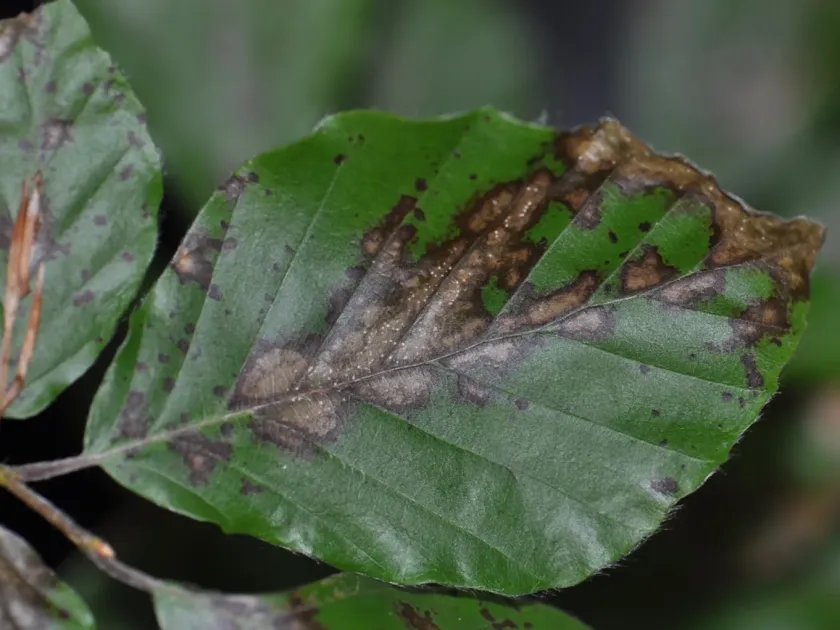
The primary symptom of Petrakia is the appearance of localized spots on the leaves, which vary in shape and color, typically showing brown or dark tones with distinct margins.
Over time, small black structures known as sporodochia appear on the spots, particularly on the underside of the leaf, indicating active fungal spore production.
In later stages of the infection, the necrotic tissue within the spots may become brittle and detach, resulting in the characteristic shothole appearance on the foliage.
Severe infestations lead to widespread chlorosis, premature yellowing, and heavy leaf drop, often occurring well before the end of the vegetative season.
While symptom patterns can vary depending on the host species, the presence of distinct necrotic leaf spots remains the most reliable indicator of this fungal disease.
Pathogen
The disease is caused by fungi of the genus Petrakia, belonging to the group of imperfect fungi (Deuteromycetes). These pathogens primarily target the foliage of various woody plants and shrubs.
The fungus produces conidial spores on the necrotic tissues of infected leaves. These spores serve as the primary inoculum for the spread of the disease throughout the growing season.
The pathogen overwinters as mycelium or spores within fallen leaf litter on the soil surface, providing a continuous source of infection for the following spring.
The fungus penetrates host tissues through stomata or mechanical wounds, subsequently colonizing the intercellular spaces of the leaf parenchyma.
The biological cycle of the fungus is strictly dependent on moisture availability, which is essential for spore germination and successful colonization of healthy plant tissues.
Conditions for development
The development of Petrakia is highly favored by high humidity, including frequent rain, heavy dew, and prolonged fog, which are typical of wet summer periods.
The optimal temperature range for the pathogen's growth and spread is between +18 and +25 degrees Celsius, matching moderate climatic conditions.
Poor air circulation within dense plant canopies creates a microclimate conducive to rapid fungal spread by preventing the foliage from drying out after precipitation.
Neglected plants suffering from poor nutrition or prior mechanical stress exhibit lower resistance to initial fungal invasion and are more prone to infection.
High concentration of fungal inoculum in the soil, due to unremoved fallen leaves, creates favorable conditions for annual disease outbreaks in the same areas.
Why it matters
The primary impact of Petrakia is the significant reduction of photosynthetic leaf area, which hinders the plant's ability to accumulate necessary energy reserves.
Premature leaf drop weakens the overall aesthetic and physiological health of the plant, making it less resilient against harsh winter weather conditions.
Systemic infection over multiple seasons leads to plant exhaustion, stunted shoot growth, and a noticeable decrease in flowering intensity for decorative species.
In commercial nurseries, this disease causes significant financial losses due to the degradation of the visual quality of saplings, making them unsellable.
Plants weakened by the pathogen are significantly more susceptible to secondary pest attacks and other opportunistic diseases, potentially leading to long-term decline.
Protection
The fundamental control measure is strict sanitation: the thorough collection and destruction (burning) of fallen leaf litter where the pathogen overwinters.
Improving air circulation through proper pruning and planting density is essential to limit the humidity levels required by the fungus to spread.
Early spring prophylactic treatments with copper-based fungicides significantly reduce the initial infection pressure in the garden or plantation.
- Application of systemic fungicides at the first sign of leaf spotting.
- Balanced fertilization to boost the plant's natural immune response.
- Continuous monitoring and removal of heavily infected foliage during the growing season.
An integrated approach using preventive and curative measures is the most effective way to manage the disease and maintain plant health.
Discussion
No discussions yet — be the first.