
Pestalotiopsis longisetula
Pestalotiopsis longisetula
Description
Symptoms
The most prominent symptom of infection is the development of necrotic lesions on leaves. Initially appearing as small dots, these spots gradually expand and turn brown or grayish, often surrounded by a darker margin that acts as a boundary of the infection zone.
Under magnification or close inspection, tiny black pustules can be seen within the necrotic areas; these are the acervuli. During humid weather, a whitish or yellowish spore mass may exude from these structures, appearing as a powdery coating on the surface.
Infection on stems and branches causes cortical cracking and the formation of deep cankers. This leads to the disruption of vascular bundles, which prevents water and nutrients from reaching the distal parts of the plant, resulting in dieback.
The overall appearance of infected plants is typically sickly, characterized by leaf yellowing, chlorosis, and premature abscission. These visual changes reflect the severe physiological stress imposed by the fungus on the host.
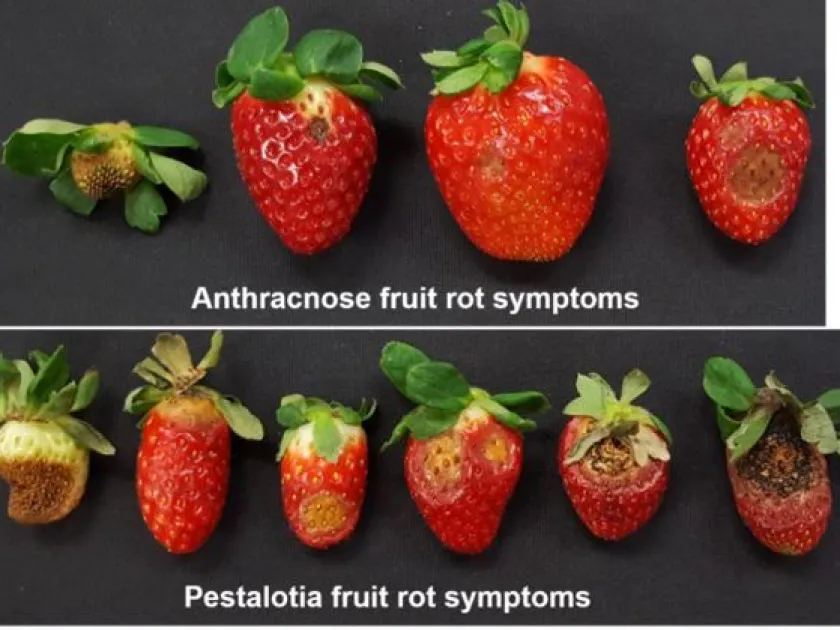
If the infection targets reproductive organs such as flowers or fruit buds, it frequently leads to decay, preventing normal development and resulting in significant losses for the grower.
Pathogen
Pestalotiopsis longisetula is a fungal pathogen belonging to the class Deuteromycetes. It is widely recognized as a serious threat to various plant species, causing significant damage through the destruction of healthy tissue and systemic weakening of the host organism.
The fungus reproduces primarily through conidia, which are produced within specialized fruiting bodies known as acervuli. These spores are easily dispersed by water splashes, wind, and contaminated gardening tools, facilitating the rapid spread of the disease.
This pathogen demonstrates high persistence, capable of surviving in plant debris, soil, or infected woody tissues for extended periods. When environmental conditions become favorable, the dormant mycelium resumes growth and initiates a new infection cycle.
Infection usually begins when spores land on susceptible plant surfaces, particularly where the protective epidermis has been compromised by wounds, insect feeding, or environmental stress. Once inside, the fungus invades plant cells, producing enzymes that degrade tissues.
The biological nature of this fungus allows it to exploit stressed plants effectively. Its transition from a latent phase to active parasitism makes it a challenging pathogen to manage in commercial nurseries and greenhouses.
Conditions for development
Pestalotiopsis longisetula thrives in environments characterized by high humidity and prolonged moisture on leaf surfaces. Frequent irrigation, high dew points, and foggy conditions are the primary drivers of fungal development and spore germination.
The fungus prefers moderate to warm temperatures, making it a particular problem during spring and autumn, as well as throughout the year in controlled indoor environments with poor air circulation.
Host susceptibility is significantly increased when plants are subjected to environmental stress. Factors such as nutrient deficiencies, poor drainage, or inadequate sunlight exposure weaken the plant’s natural defense mechanisms, allowing the fungus to establish itself.
Dense planting schemes that restrict airflow create a microclimate with stagnant, humid air, which significantly accelerates the spread of spores. This environment allows moisture to persist on foliage, providing the perfect conditions for infection.
Mechanical damage resulting from improper pruning, storm events, or pest activity serves as a primary entry point. The presence of surface water on these wounds drastically increases the likelihood of successful fungal invasion.
Why it matters
The primary harm caused by this pathogen is the loss of photosynthetic leaf area. Reduced photosynthesis leads to decreased energy production, which stunts overall growth and minimizes the plant's capacity to produce flowers or fruits.
Systemic infections in branches can lead to the death of entire limbs. This not only ruins the plant's aesthetic shape but may also threaten the long-term survival of the specimen if the damage becomes too severe.
In commercial settings, the disease causes significant economic loss due to the destruction of marketable nursery stock and the high cost of intensive chemical control programs required to save the remaining plants.
The rapid transmission of the disease within an area means that a minor localized infection can quickly escalate into a widespread outbreak if not addressed immediately with quarantine and sanitation protocols.
Chronic infection drains the plant's physiological reserves, leaving it vulnerable to opportunistic secondary pathogens and pests, creating a compounding effect that significantly complicates recovery.
Protection
Sanitation is the most critical management strategy. This involves the prompt removal and destruction of all infected plant materials. Pruning tools must be sterilized thoroughly after each use to prevent cross-contamination.
To reduce humidity levels around the foliage, growers should prioritize efficient watering methods that avoid overhead irrigation. Improving air circulation through thinning of canopy density is an essential preventive practice.
Chemical control involving both contact and systemic fungicides is effective for suppressing the fungal population during the active growing season. Regular preventive spraying is recommended in areas with a history of the disease.
Promoting general plant health through balanced fertilization and proper cultural care is key to building intrinsic resistance. Healthy plants are better equipped to limit the spread of infections to isolated areas.
- Regular inspection of plants for early detection of symptoms.
- Use of disease-resistant cultivars when establishing new plantings.
- Consistent removal and disposal of leaf litter from the garden floor.
Discussion
No discussions yet — be the first.