
Pestalotiopsis
Pestalotiopsis guepinii
Description
Symptoms
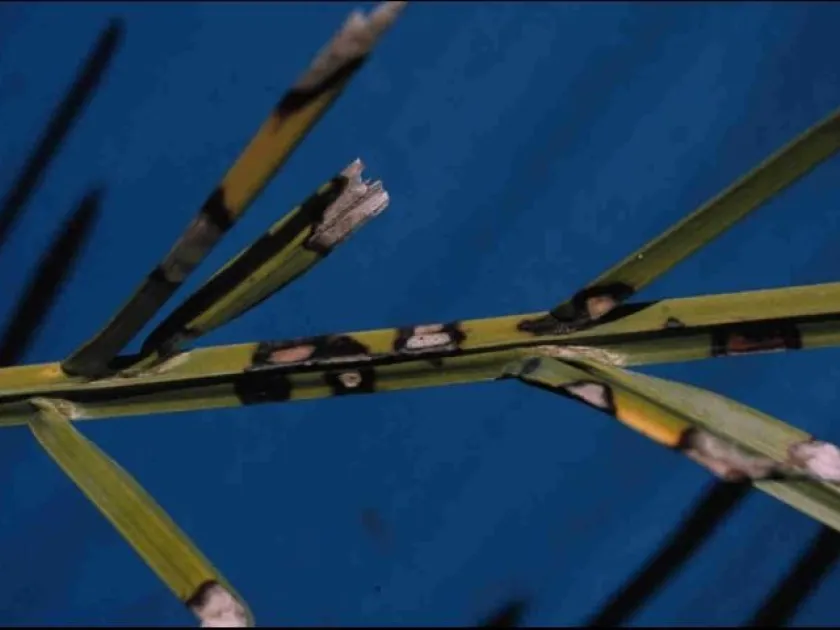
The most common symptom is the development of brown or gray spots on leaves and needles. These lesions often exhibit a distinct yellow halo at the margins as the infection expands.
On affected stems and foliage, tiny, black, dot-like fruiting bodies emerge from the necrotic tissue. These structures are the pathogen's primary way of producing new spores for secondary spread.
Dieback is a classic sign of the disease, usually starting from the tips of branches and progressing backward toward the main stem. In conifers, the needles turn yellow, then brown, and eventually fall off.
Stem cankers may appear on branches or trunks, showing cracked or sunken bark. These lesions can girdle the branch, leading to the rapid death of the distal part of the plant.
General plant decline is frequently observed, where the foliage loses its luster and vitality. Over time, the shrub or tree becomes sparse, loses its aesthetic shape, and may die if the infestation remains untreated.
Pathogen
Pestalotiopsis is a serious fungal disease caused by the pathogen Pestalotiopsis guepinii. This fungus belongs to the class Ascomycetes and is known to be a common saprophyte that turns parasitic when host plants are stressed.
The pathogen reproduces via conidia, which are tiny spores formed in black, pimple-like structures called acervuli or pycnidia. These spores are released during wet weather and are easily spread by rain splash, irrigation water, and wind.
Pestalotiopsis is highly opportunistic, often attacking plants that have already been weakened by environmental factors, pests, or improper maintenance. Once it enters the tissue, the mycelium grows internally, causing cellular breakdown.
The fungus can survive for extended periods in dead plant tissue, infected fallen needles, and pruning debris, making it a persistent threat in garden landscapes and nursery settings.
It is capable of infecting a wide variety of hosts, including conifers like arborvitae, junipers, and cedars, as well as several broadleaf species, making it a significant concern for horticulturists.
Conditions for development
Pestalotiopsis thrives in environments with high humidity and warm temperatures. Periods of prolonged rainfall or overhead irrigation are particularly favorable for spore germination and infection.
Plants growing in shaded areas with poor air circulation are more susceptible to infection. Stagnant air allows humidity to stay trapped around the foliage, creating the perfect climate for fungal growth.
Mechanical injuries are major entry points for the pathogen. Damage from pruning shears, wind damage, or frost cracks provides easy access for the fungus to penetrate the host's defenses.
Cultural stress, such as improper fertilization, drought, or waterlogging, significantly weakens the plant's immune system. A healthy, stress-free plant is much better equipped to resist infection.
Overcrowded plantings are highly problematic, as they prevent foliage from drying out quickly after rain, which encourages the rapid spread of spores from one plant to another.
Why it matters
The primary harm caused by Pestalotiopsis is the destruction of the plant's aesthetic value, which is particularly devastating for nurseries and landscape designers who rely on perfectly shaped shrubs.
The infection leads to premature leaf drop and the death of branches, which inhibits photosynthesis. This reduces the plant's ability to produce energy and store nutrients for the winter season.
Severe cases can lead to the total mortality of the plant, especially in young or sensitive cultivars that lack the vigor to recover from extensive tissue necrosis.
The economic impact involves not just the loss of plant material, but also the high costs associated with repeated fungicide applications and the labor-intensive process of sanitizing the affected area.
Additionally, infected plants become reservoirs of inoculum, putting surrounding healthy vegetation at constant risk of infection throughout the growing season.
Protection
The first line of defense is the rigorous pruning of all symptomatic branches. It is crucial to cut back into healthy wood and dispose of all debris by burning or deep burial to eliminate the source of spores.
Chemical control involves the use of copper-based fungicides or systemic products containing active ingredients like thiophanate-methyl or mancozeb. Regular spraying is essential to protect new, vulnerable growth.
Improving cultural practices is vital for long-term prevention. Ensure that plants are spaced correctly, optimize irrigation to avoid wetting the foliage, and maintain overall plant vigor through proper fertilization.
Always disinfect pruning tools with a 70% alcohol solution or a bleach mix after working on an infected plant to prevent spreading the pathogen to healthy specimens.
- Regularly monitor plants for early symptoms of browning.
- Provide adequate sunlight and airflow to the canopy.
- Remove all plant litter from the ground beneath the plants.
- Avoid using overhead irrigation systems.
Discussion
No discussions yet — be the first.