
Peroneutypa scoparia
Peroneutypa scoparia
Description
Symptoms
The most prominent sign is the formation of necrotic lesions on the bark. These areas often appear darkened, brittle, or cracked, eventually leading to the death of the overlying cortical tissue.
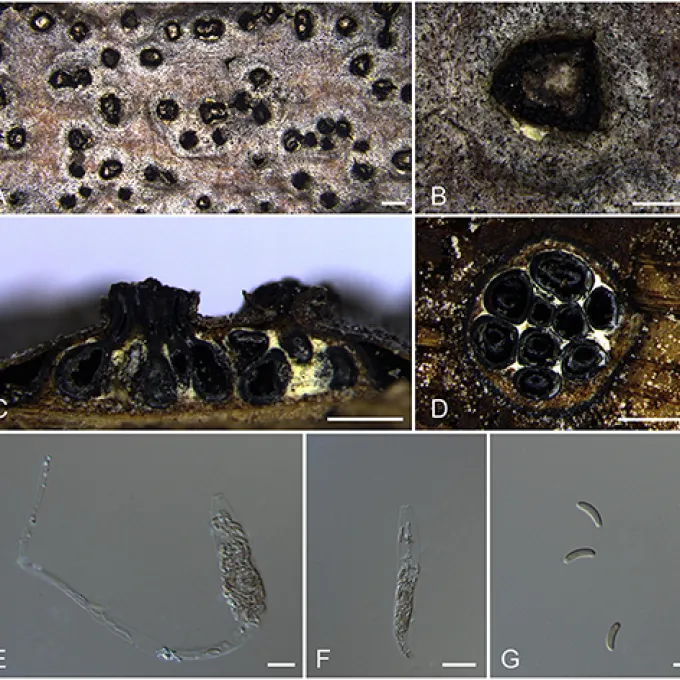
Close inspection of affected bark often reveals small black dots or pustules, which represent the fruiting bodies (ascomata) of the fungus. These can be found in clusters or rows along structural cracks.
Foliar symptoms include premature yellowing and leaf drop. The fungus impairs the vascular system of the plant, restricting the upward movement of essential water and nutrients required for canopy growth.
Affected woody plants exhibit progressive dieback of branches. Starting from the branch tips, the necrosis spreads inward, eventually causing severe damage to the structural integrity of the branches and even the main trunk.
When affected wood is cut, internal discoloration is usually visible. The wood appears discolored, often shades of brown or gray, indicating extensive enzymatic degradation by the fungal mycelium.
Pathogen
The causal agent of this disease is the ascomycete fungus Peroneutypa scoparia. It acts as a specialized saprotroph and opportunistic parasite, primarily colonizing weakened woody plant tissues.
The fungus develops its mycelium within the xylem and cortical tissues, breaking down structural components like lignin and cellulose. It produces small, black, eruptive ascomata that rupture the plant's surface to release spores.
Spore dissemination is predominantly driven by wind currents and water splashes, which carry the pathogen from infected wood to fresh wound sites on healthy plants, initiating new infection cycles.
Peroneutypa scoparia possesses significant longevity within infested wood. It can persist through adverse seasons, maintaining its biological activity as long as the internal moisture content of the wood remains suitable.
Often considered part of a larger complex of decay-causing fungi, it frequently contributes to the gradual decline of host plants, creating entry points for secondary, more aggressive fungal pathogens.
Conditions for development
High humidity and moderate temperatures provide ideal conditions for the colonization and spread of Peroneutypa scoparia. Prolonged periods of rainfall significantly increase the likelihood of spore germination.
Plants with mechanical injuries are highly susceptible. Pruning wounds, frost cracks, sunscalds, and insect damage serve as optimal infection courts, allowing the fungus to bypass the natural protective bark layer.
Plants suffering from environmental or physiological stress are prone to higher rates of infection. Poor soil quality, drought, or nutrient deficiencies weaken the plant's natural defense systems against pathogens.
The fungus thrives during spring and autumn when moderate temperatures prevail. However, the high moisture levels common in these seasons are the primary drivers of successful infection establishment.
Dense planting configurations reduce airflow within the canopy, creating a microclimate that retains moisture on the bark surface, facilitating the development and subsequent dispersal of fungal spores.
Why it matters
The primary harm caused by this fungus is the gradual structural decay of woody components. Over time, this leads to significant loss of plant health and a reduction in its overall productivity.
The disease reduces the winter hardiness of plants, making them more vulnerable to extreme cold temperatures. Weakened tissues are easily damaged by frost, further facilitating the spread of the infection.
In orchards, this disease causes premature removal of trees from production. The economic burden includes not only the lost potential yield but also the costs associated with orchard management and remediation.
Infected wood becomes structurally compromised and brittle, creating a safety hazard due to potential branch breakage or windthrow. This is particularly concerning for ornamental trees in public spaces.
The fungus acts as a persistent inoculum source. Because it reproduces actively, one infected tree can serve as a reservoir for spores, potentially threatening the health of the entire local plant collection.
Protection
Sanitary pruning is the cornerstone of management. All dead or infected branches must be pruned back to healthy wood, with infected debris immediately removed and destroyed to prevent further spread.
Effective tool hygiene is essential. All pruning equipment must be sterilized with alcohol or appropriate disinfectants between trees to ensure that spores are not mechanically transmitted to healthy specimens.
Protecting wounds is critical. Any major pruning cuts or accidental injuries should be sealed with wound paint or fungicidal pastes to physically bar the pathogen from entering the sensitive inner tissues.
Maintaining high plant vigor through balanced fertilization and proper irrigation is key to disease prevention. Strong, healthy trees possess superior resistance to colonization by opportunistic fungi.
Applying preventive copper-based fungicide sprays during periods of high risk or immediately after pruning can significantly lower the incidence of infection by inhibiting the establishment of fungal spores.
Discussion
No discussions yet — be the first.