
Peltigera
Peltigera
Description
Symptoms
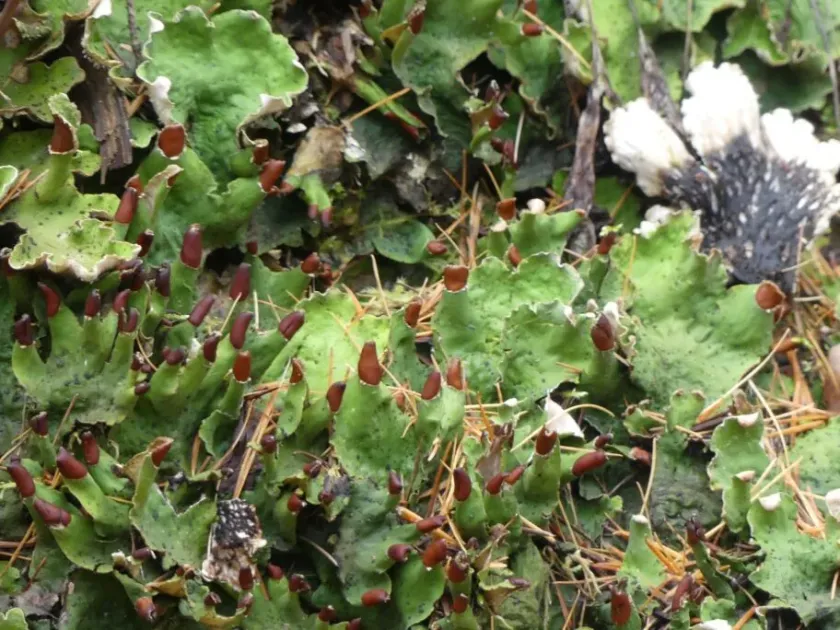
The most common sign is the presence of large, lobed, leaf-like thalli that range in color from gray-green to brown.
These organisms often display distinct brown or reddish fruiting bodies known as apothecia on the margins of their lobes.
Peltigera colonies are typically found on mature, rough-barked trees, especially in areas with persistent moisture and low human disturbance.
In soil habitats, the lichen forms broad mats that can cover significant areas of the ground, particularly in damp or shaded environments.
Visual observation shows the lichen sitting loosely on the substrate, easily distinguishable from true fungal infections or bacterial growths.
Pathogen
Peltigera is a genus of large, foliose lichens and is not a plant pathogen or a disease agent.
The organism is a symbiotic association between a fungus and a photosynthetic partner, typically cyanobacteria of the genus Nostoc.
Lichens in this group do not infect plant tissues; they do not possess structures to invade host cells or extract nutrients from the plant.
It acts strictly as an epiphyte, utilizing the bark of trees or the soil surface as a substrate for physical anchorage only.
Labeling Peltigera as a plant disease is technically incorrect, as it does not cause physiological dysfunction or structural damage to the host plant.
Conditions for development
Peltigera thrives in environments characterized by high humidity, shade, and low air pollution levels, acting as a bioindicator of air quality.
The lichen requires consistent moisture to remain active, which is why it is frequently observed in unmanaged or poorly ventilated orchard zones.
It prefers stable substrates where organic debris and dust can accumulate, providing a reservoir for moisture and nutrients.
Intensive agricultural practices involving frequent chemical fungicide applications create an environment unsuitable for lichen colonization.
Consequently, the presence of Peltigera often suggests that the site has not been subject to aggressive chemical intervention for a significant period.
Why it matters
Peltigera does not inflict direct damage to trees, as it lacks the physiological capacity to parasitise or degrade healthy living wood.
The primary concern is that its presence can sometimes indicate that a tree is already in a state of decline or reduced vigor.
Excessive lichen cover might trap moisture against the bark, creating a micro-environment that could theoretically favor other opportunistic pathogens.
Large lichen colonies can also act as refugia for various pests, such as scale insects, potentially making their early detection more difficult.
In most professional agricultural contexts, Peltigera is considered a benign occupant rather than a serious threat to crop yield or health.
Protection
Direct chemical control measures against Peltigera are rarely recommended, given that it does not pose a primary threat to plant health.
Cultural management, such as proper pruning to improve light penetration and airflow, naturally discourages the growth of lichen on tree trunks.
Mechanical removal using a brush or specialized tool during the dormant season is the safest method if cleaning is deemed necessary for aesthetics.
Whitewashing the trunk with a mixture of lime and copper-based products can inhibit the re-establishment of lichen populations on tree surfaces.
Overall, maintaining tree vigor through balanced nutrition and proper watering schedules is the most effective approach to managing unwanted epiphyte growth.
Discussion
No discussions yet — be the first.