
Pavlovaceae
Pavlovaceae
Description
Symptoms
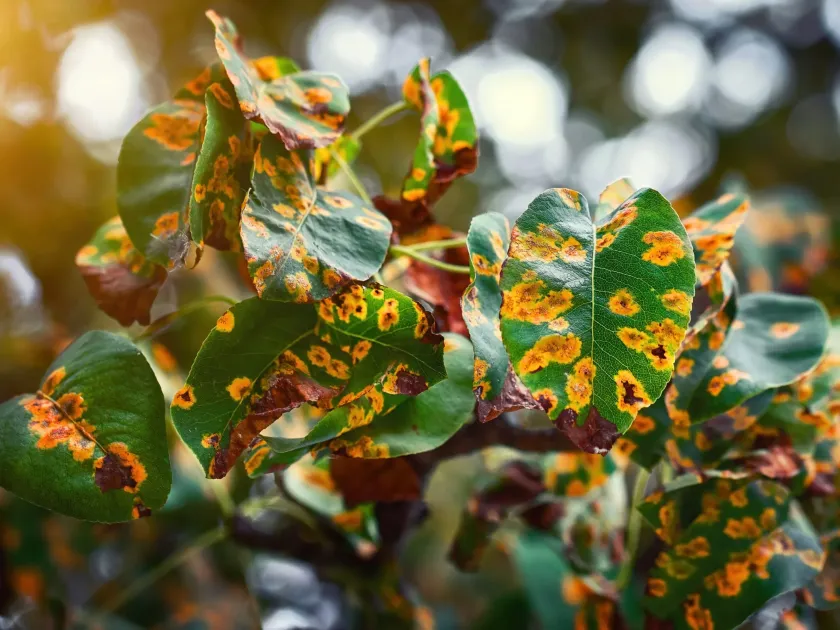
The first signs of infection appear as small brown or gray spots on young shoots and leaves. Over time, the spots increase in size, acquiring a distinct dark-colored border.
On the surface of the affected bark, one can often notice small black dots, which are the fungal fruiting bodies (pycnidia). During high humidity, spore masses may emerge from them in the form of mucous droplets or threads.
In cases of branch infection, bark cracking and subsequent tissue death (necrosis) occur. Affected shoots become brittle, lose turgor, and gradually dry out completely.
When foliage is affected, premature yellowing and leaf drop occur, significantly reducing the plant's photosynthetic activity. Often, the infection starts from the lower part of the crown and gradually moves upward.
- Deformation of young shoots
- Appearance of dark ulcers on the bark
- Premature leaf drop
- Formation of necrotic zones
Pathogen
The Pavlovaceae family belongs to a group of fungal pathogens that primarily affect woody plants and shrubs. The pathogens are microscopic fungi characterized by the presence of specific fruiting bodies called pycnidia, which develop directly within the host tissues.
The type of disease is classified as necrosis or spotting, depending on the specific plant host and the aggressiveness of the strain. The pathogen can persist in plant debris and infected bark for an extended period.
The life cycle includes an asexual reproduction stage, where conidia are dispersed by rain droplets or wind. This allows the fungus to rapidly colonize new areas of plantations under favorable climatic conditions.
The fungus enters the plant through mechanical damage to the bark, frost cracks, or sites of leaf stalk attachment. The incubation period depends heavily on air humidity and ambient temperature.
A biological feature of Pavlovaceae is its ability to engage in prolonged parasitism, gradually exhausting the plant's vascular system and hindering normal nutrient transport.
Conditions for development
Prolonged rains and high relative humidity during the spring and summer periods contribute to the development of Pavlovaceae infection. The optimal temperature range for mycelium growth is 18–24 degrees Celsius.
The disease spreads most intensively in dense plantings where natural crown ventilation is disrupted. Moisture accumulation at branch junctions creates ideal micro-conditions for spore germination.
Weakened plants, suffering from mineral deficiencies or drought stress, become most susceptible to the pathogen. Any mechanical damage to the bark significantly increases the risk of infection.
Spore dispersal is also facilitated by insect pests that carry fungal spores on their bodies. Transport is possible over significant distances via air currents.
In greenhouse conditions or nurseries, lack of sanitation during watering is a common factor, as water droplets carry the infection from diseased plants to healthy ones.
Why it matters
The harmfulness of Pavlovaceae lies in a significant reduction in crop productivity. The infection of woody plants leads to slowed growth and substantial biomass loss.
In horticulture, this disease can lead to yield losses due to the premature death of fruit-bearing twigs. Severe crown infection often causes the death of young seedlings in nurseries.
The pathogen impairs the aesthetic properties of ornamental plants, making them unattractive for landscaping. Economic damage stems from treatment costs and the need to remove heavily infected specimens.
Chronic infection drains the plant's immune system, making it vulnerable to secondary pests such as bark beetles or stem rots. Ultimately, this can lead to the complete degradation of plantations.
Failure to respond to disease symptoms in time creates a persistent source of infection that will affect new plants in the garden or forest each year.
Protection
The primary method of control is regular sanitary pruning, where all affected shoots and branches are removed and destroyed. Tools must be disinfected after every cut.
Spraying with copper-based fungicides during the dormant period or at the beginning of the growing season is an effective preventive measure. This helps destroy the spore load on the bark.
It is important to ensure proper care: regular fertilization, irrigation, and protection against mechanical damage. A strong plant possesses natural resistance to fungal pathogen penetration.
In cases of widespread infection, it is recommended to apply modern systemic fungicides that penetrate plant tissues and stop mycelium development from within.
It is recommended to avoid overcrowding and to conduct timely crown thinning to improve aeration. Adherence to agrotechnical rules is the key to preventing Pavlovaceae outbreaks.
Discussion
No discussions yet — be the first.