
Pecan leaf spot
Passalora effusa
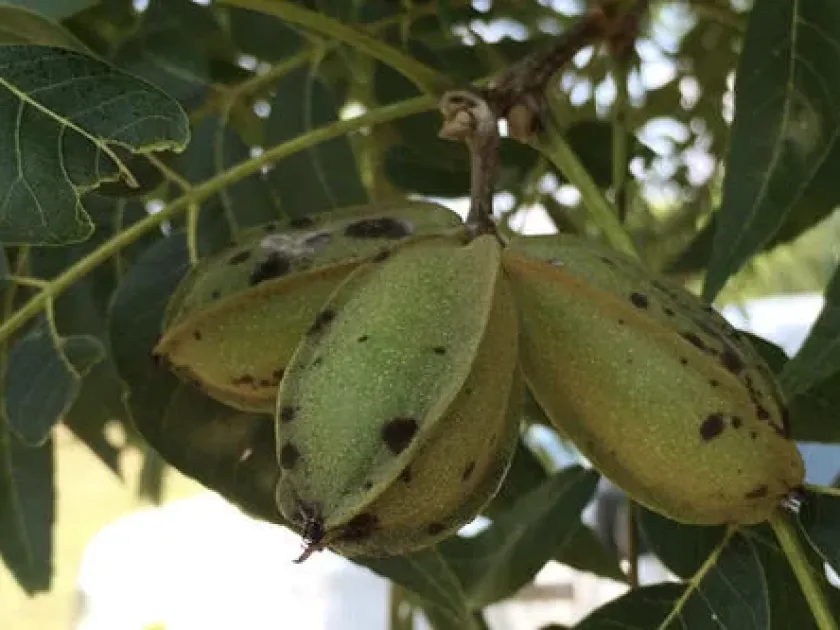
Description
Symptoms
The primary symptom of pecan leaf spot is the development of irregular, dark brown to black necrotic lesions scattered across the leaf surface.
A distinctive feature of this disease is the presence of an olive-colored or grayish velvety growth on the underside of the leaves, which constitutes the fungal spore mass.
As the infection progresses, these spots often merge, leading to generalized browning of the leaves and eventual premature defoliation during the summer months.
In severe cases, the tree's overall vigor is compromised, and the foliage may exhibit signs of chlorosis due to the disruption of normal photosynthetic processes.
Young shoots may also show signs of stunted development if the infection is heavy and persistent throughout the early growth phase of the season.
Pathogen
The disease is caused by the fungus Passalora effusa (previously classified as Cercospora fusca), which is a common pathogen affecting various walnut family trees.
This pathogen survives the winter in the form of mycelium and spores within infected leaf litter that remains on the orchard floor throughout the dormant season.
In the spring, under humid conditions, the fungus produces conidia which are spread by wind currents and splashing rain to the fresh, emerging foliage of the trees.
The fungus penetrates the leaf tissue through natural openings, establishing a colony that draws nutrients from the host plant to support its reproductive cycle.
The biology of Passalora effusa allows for rapid adaptation and proliferation, making it a persistent challenge in humid pecan-growing regions.
Conditions for development
Warm temperatures coupled with high humidity or frequent rainfall provide the most favorable environment for the rapid development of the fungus.
Orchards with poor air circulation, often due to high tree density or inadequate pruning, are significantly more prone to severe outbreaks of the disease.
Wet weather prolongs the time that moisture remains on the leaf surface, creating a perfect window for fungal spores to germinate and colonize the tissues.
Trees that are nutritionally stressed or lacking proper soil management show increased susceptibility to Passalora effusa colonization compared to healthy, well-fed trees.
Inadequate sanitation practices, specifically leaving fallen leaves in the orchard, act as the primary reservoir for the disease to restart each year.
Why it matters
The most significant impact of the disease is the loss of functional leaf area, which directly reduces the tree's ability to produce carbohydrates for nut development.
This deficit in energy production leads to smaller, lower-quality kernels and may cause the premature shedding of the developing nuts themselves.
Early defoliation leaves the trees vulnerable to winter injury, as they are unable to build up the necessary energy reserves required to survive cold temperatures.
Repeated annual infections weaken the entire orchard, making trees more prone to secondary infestations by insects and other opportunistic pathogens.
Economic viability is threatened by the increased costs associated with consistent fungicide applications and the potential loss of marketable yields.
Protection
Rigorous sanitation is the cornerstone of management; all fallen leaves should be raked and destroyed or deeply incorporated into the soil to reduce inoculum.
Pruning trees to open up the canopy improves airflow, which helps foliage dry faster after rain, thereby reducing the likelihood of fungal infection.
Chemical control involving copper-based fungicides or systemic products is recommended during periods of high humidity to protect the leaves from infection.
- Maintain a proactive spray schedule starting from leaf emergence;
- Monitor trees regularly during wet periods for early signs of lesions;
- Implement proper fertilization programs to ensure overall tree health.
When using fungicides, it is critical to ensure thorough coverage of both the upper and lower surfaces of the leaves to maximize the effectiveness of the treatment.
Discussion
No discussions yet — be the first.