
Passalora leaf spot
Passalora
Description
Symptoms
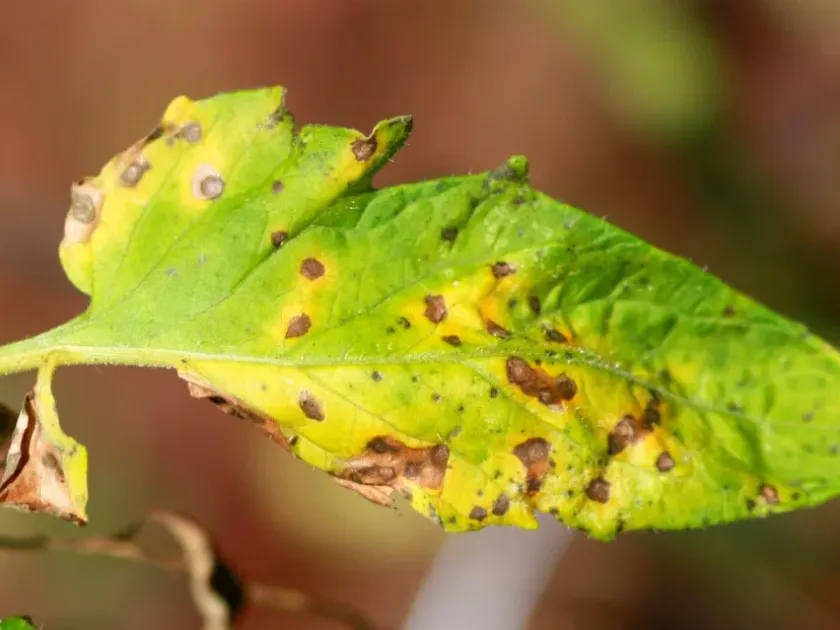
The primary symptom of Passalora infection is the appearance of leaf spots, which vary in shape and color depending on the host plant species. They typically manifest as brownish or grayish lesions.
Under high humidity conditions, a characteristic velvety growth of fungal spores appears on the undersides of the affected leaves, often olive-green or gray in color.
As the disease progresses, these spots tend to expand and coalesce, leading to large necrotic areas on the leaf blade, which can eventually cause tissue to wither and drop.
In some cases, stems and petioles may also show elongated lesions or streaks, indicating a systemic spread of the pathogen through the plant vascular system.
Severe infestations result in premature defoliation, which severely stunts plant growth and reduces the overall vigor of the host throughout the growing season.
Pathogen
The disease is caused by fungi belonging to the genus Passalora, which are known to be significant plant pathogens in various agricultural and horticultural crops.
The fungus survives the winter season as mycelium or conidia on infected plant debris, soil, or seeds, serving as a primary source of inoculum for the next crop.
During the growing season, conidia are dispersed by wind, splashing rain, or through human activities, eventually landing on the surface of healthy plant tissues.
Infection occurs when spores germinate and penetrate the plant epidermis, often through natural openings like stomata, establishing a parasitic relationship with the host.
The fungus produces masses of conidiophores that emerge from the stomata, which facilitates the rapid spreading of the disease to adjacent healthy leaves.
Conditions for development
Passalora development is favored by warm and humid environmental conditions, with optimal temperatures usually ranging between 20°C and 25°C for maximum activity.
High moisture levels, such as those caused by frequent rainfall, heavy dew, or overhead irrigation, are essential for the germination of fungal spores on plant surfaces.
Dense plantings, lack of air circulation, and poorly managed canopy structures create a favorable microclimate that accelerates the spread and severity of the disease.
Plants under nutrient stress or those grown in poorly drained soils are significantly more susceptible to infection and show faster disease progression.
In controlled environments like greenhouses, the disease can spread rapidly due to stable humidity and limited ventilation, requiring constant monitoring.
Why it matters
The economic impact of Passalora leaf spot is primarily due to the loss of functional leaf area, which severely impairs the plant's ability to photosynthesize effectively.
Reduced photosynthesis leads to stunted growth, reduced biomass accumulation, and a significant decrease in the yield and quality of marketable produce.
Infection weakens the host plant, making it more vulnerable to secondary opportunistic pathogens and decreasing its overall resistance to abiotic stress factors.
For ornamental plants, the disease causes significant aesthetic damage, reducing the market value of the crop and sometimes leading to total loss of production.
Uncontrolled outbreaks can lead to complete defoliation, which causes the premature death of the plant if the infection occurs early in the development stage.
Protection
Effective management begins with strict cultural practices, including the use of certified disease-free seeds and the implementation of a proper crop rotation program.
Sanitation is critical; all infected plant debris should be removed and destroyed immediately after harvest to reduce the amount of inoculum available for the next season.
Improving air circulation through wider spacing and proper pruning helps to keep the foliage dry, which significantly reduces the likelihood of spore germination.
Chemical control involving the timely application of fungicides, such as copper-based products or systemic triazoles, can be effective if applied at the first sign of symptoms.
- Regular monitoring of crop fields.
- Avoidance of overhead irrigation.
- Destruction of alternative weed hosts.
- Use of resistant plant varieties where available.
Discussion
No discussions yet — be the first.