
Parasola plicatilis
Parasola plicatilis
Description
Symptoms
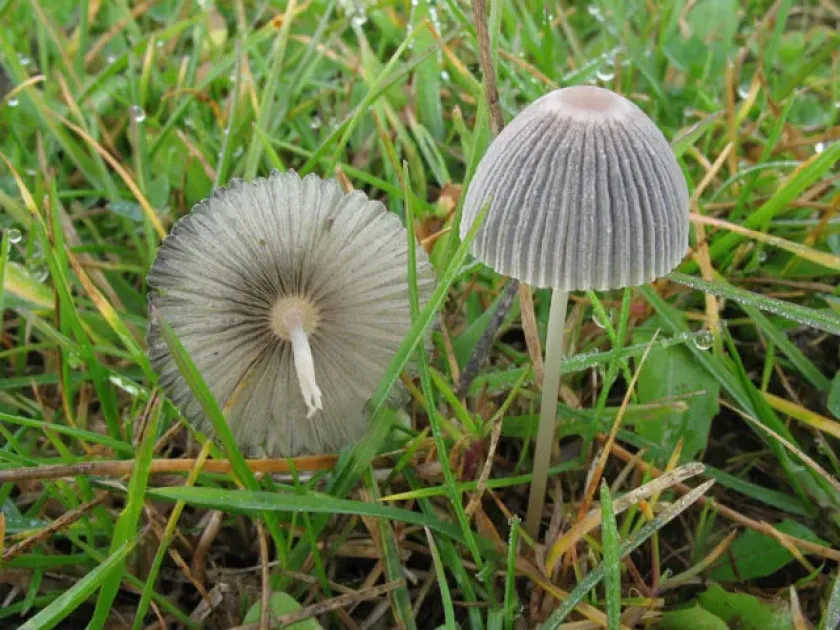
Parasola plicatilis, commonly known as the pleated inkcap, is a small, delicate fungus frequently spotted in lawns and garden beds.
The most distinctive sign is the appearance of a thin, umbrella-shaped cap that is prominently pleated or folded from the center to the margin.
These mushrooms are typically quite fragile, with a stem that is thin and easily damaged by handling or wind.
A key biological trait is their ephemeral nature; the fruiting bodies often vanish or deliquesce within a very short period after maturity.
The cap color ranges from light brown in the center to a pale, translucent gray, reflecting its delicate structure.
Pathogen
It is important to clarify that Parasola plicatilis is not a plant pathogen; it is a saprotrophic organism that lives on decaying organic matter.
The fungus acts as a decomposer, breaking down complex organic substances in the soil rather than infecting living tissues.
The mycelium resides in the upper soil layers or within compost and leaf litter, focusing its metabolic efforts on non-living debris.
Because it lacks the specialized tools to breach living cell walls, it poses no threat to the health of agricultural or ornamental crops.
Its life cycle is purely ecological, serving to recycle nutrients back into the ecosystem rather than causing disease.
Conditions for development
The growth of these mushrooms is highly dependent on environmental moisture levels, often peaking after significant rain events.
High levels of organic matter, such as heavy mulch or uncomposted manure, create an ideal habitat for the mycelium to thrive.
Moderate temperatures, typically between 16 and 25 degrees Celsius, allow the fungus to produce fruiting bodies rapidly.
Poor soil drainage and stagnant water on the surface are primary triggers for the emergence of visible fungal growths.
Shaded areas with reduced sunlight and stable humidity provide the perfect microclimate for these organisms to complete their reproductive cycle.
Why it matters
There is no evidence that Parasola plicatilis causes damage to living plants, making it a harmless presence in any garden or field.
The only potential nuisance is aesthetic, particularly for those maintaining pristine lawns where mushrooms might be perceived as unwanted growth.
An abundance of these fungi might indirectly indicate that a soil area is waterlogged, which could be harmful to sensitive plant roots.
They do not produce mycotoxins that would negatively affect soil chemistry or the uptake of nutrients by nearby crops.
Overall, the fungus is beneficial to the soil profile by aiding in the breakdown of organic matter, which enhances overall soil fertility.
Protection
Since this fungus does not attack crops, no chemical control or systemic fungicide treatment is required or recommended.
Management is purely cultural, focusing on improving soil aeration to reduce the moisture levels that support fungal growth.
Proper garden sanitation, including the removal of thick, soggy mulch or piles of decomposing clippings, will naturally limit its appearance.
Adjusting irrigation systems to ensure soil does not remain overly saturated can effectively manage the occurrence of these mushrooms.
- Maintain proper drainage to prevent waterlogging.
- Regularly aerate garden soil for better oxygen flow.
- Avoid over-applying organic mulch around sensitive plants.
Discussion
No discussions yet — be the first.