
Paraphomopsis
Paraphomopsis
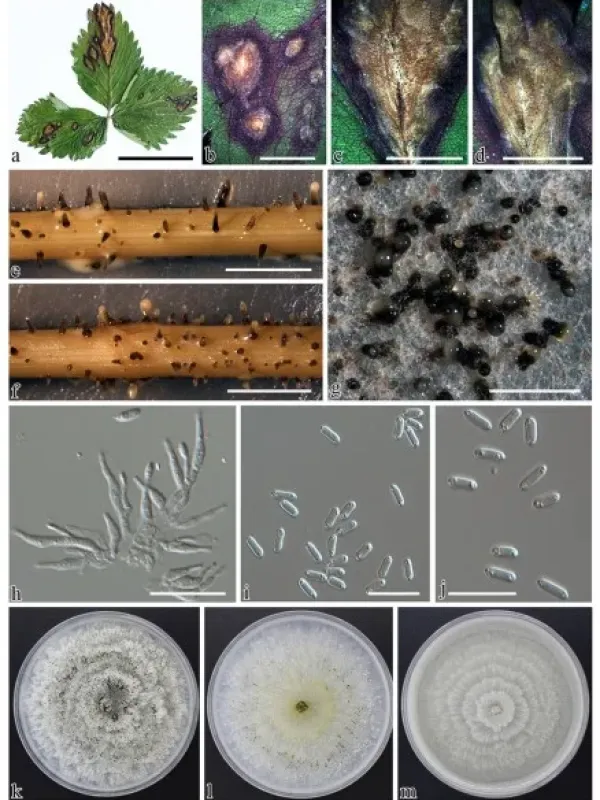
Description
Symptoms
Initial signs of the infection usually appear as irregular, darkened spots on the leaf surface, which may eventually coalesce into larger necrotic areas.
Stems often exhibit localized lesions or cankers, which weaken the structural integrity of the plant and cause lodging in more severe cases of infestation.
A diagnostic feature is the appearance of tiny black fruiting bodies, known as pycnidia, scattered across the dead tissue sections in damp conditions.
The disease leads to premature senescence of foliage, causing the leaves to yellow, wither, and eventually fall off the plant prematurely.
- Necrotic spots on leaves.
- Stem lesions and cankers.
- Development of black pycnidia.
- Premature defoliation.
- Stunted plant growth.
Pathogen
The disease is caused by fungal pathogens belonging to the Paraphomopsis genus, which are categorized as deuteromycetes or fungi imperfecti.
The pathogen persists in crop debris, infested soil, and infected seeds, utilizing these as primary sources of inoculum for subsequent growing seasons.
Infection spreads through the dispersal of conidia, which are efficiently moved across fields by splashing rain, wind currents, and mechanical contact during farming activities.
Once settled on the plant, the fungus penetrates through natural openings or tissue lesions, establishing a colony that eventually destroys the plant cells.
The biology of this fungus is characterized by its ability to remain dormant under adverse conditions and rapidly activate when moisture and temperature levels become ideal.
Conditions for development
Paraphomopsis development is strongly correlated with high humidity levels and prolonged periods of wet, rainy weather during the growing cycle.
Warm temperatures, typically ranging from +18 to +25 degrees Celsius, provide the optimal environment for the rapid germination and growth of fungal spores.
Poor crop rotation practices result in the accumulation of the pathogen in the soil, significantly increasing the risk of infection in subsequent plantings.
High plant density and inadequate aeration within the canopy create microclimates that trap moisture and promote the rapid spread of the disease.
Plants under physiological stress, due to nutrient deficiency or herbicide damage, are significantly more susceptible to successful colonization by the fungus.
Why it matters
The infection severely compromises the photosynthetic capacity of the plant by reducing the functional green surface area of the foliage.
Damage to the vascular system within the stem hinders the transport of water and essential minerals, leading to overall plant decline and yield loss.
Infested crops often produce lower quality seeds, which exhibit reduced germination rates and weakened vigor when used for planting.
In cases of severe outbreaks, the entire field can suffer significant losses, resulting in both economic and agricultural productivity declines.
Increased dependence on chemical fungicides to manage the disease elevates the cost of production and complicates integrated pest management strategies.
Protection
Implementing a diverse crop rotation strategy is the primary cultural practice to interrupt the life cycle of the pathogen and reduce soil inoculum levels.
Deep plowing and soil cultivation effectively bury crop residues, accelerating their decomposition and limiting the survival of the fungus.
The use of certified, disease-free seed treated with systemic fungicides is essential to ensure a healthy start and prevent early-season infections.
Strategic fungicide applications during high-risk growth stages, combined with regular field monitoring, can prevent the epidemic spread of the disease.
Selecting resistant cultivars or hybrids provides a sustainable approach to minimize the impact of Paraphomopsis in areas with a history of infestation.
Discussion
No discussions yet — be the first.