
Paraconiothyrium fuscomaculans
Paraconiothyrium fuscomaculans
Description
Symptoms
The initial signs of infection typically appear as brown, circular or irregular spots on leaves. As the disease progresses, these spots expand, often merging to cover large areas of the leaf surface, leading to tissue necrosis.
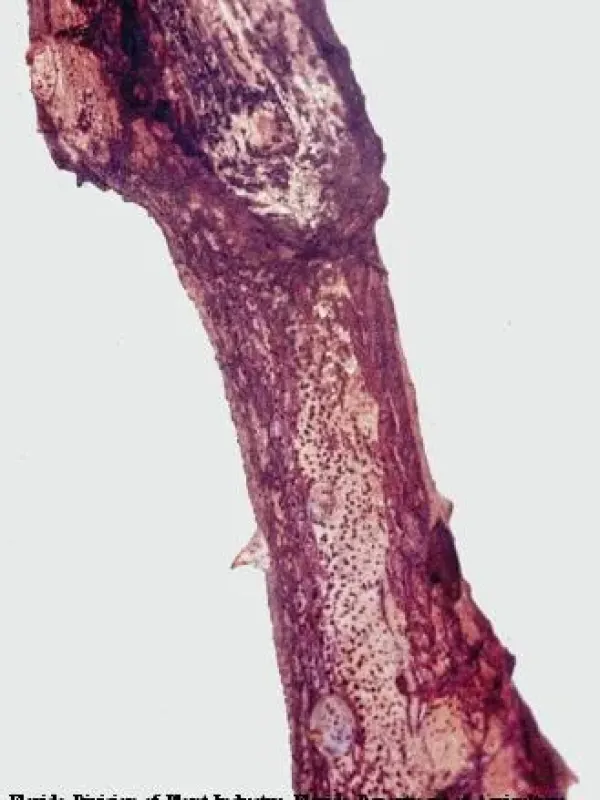
On woody stems and shoots, the disease causes the formation of sunken cankers. These lesions are often accompanied by longitudinal cracking of the bark, which severely impacts the plant's ability to transport water and nutrients upward.
A distinctive feature of this infection is the appearance of tiny, black, dot-like pycnidia on the surface of the lesions. These are most visible during periods of high humidity and are a clear indicator of the fungal presence.
Fruit symptoms are particularly destructive. Infected berries exhibit dark, shriveled spots that rapidly engulf the entire fruit. Affected fruits typically lose their structural integrity and drop from the cluster well before harvest time.
Under severe pressure, the systemic spread of the fungus can cause premature wilting of entire branches. If left unmanaged, this leads to the progressive dieback of the plant's structural framework, significantly reducing its lifespan.
Pathogen
The fungus Paraconiothyrium fuscomaculans (previously known as Coniothyrium diplodiella) is the primary pathogen responsible for this plant disease. It belongs to the Deuteromycetes group and is known for its ability to persist in dead tissues as a saprotroph and return to a parasitic phase under favorable conditions.
The pathogen overwinters primarily as pycnidia (fruiting bodies) within plant debris or in cracks in the bark of infected branches. During the spring and summer months, these structures release spores that spread across the field or garden via rain splash and air currents.
The infection process is facilitated by wounds. Pruning cuts, hail damage, and insect bites serve as entry points for the fungal mycelium. Once inside, the pathogen invades the vascular tissues and parenchyma, disrupting the plant's metabolic processes.
Temperature and humidity play a critical role in the pathogen's lifecycle. Scientific studies indicate that the fungus produces vast quantities of conidia, ensuring effective dispersal and persistence within the environment throughout the growing season.
Because the pathogen can exist in both parasitic and latent states, it is considered a persistent threat to perennial woody plants. Proper identification is vital, as it can often be mistaken for other common fungal pathogens.
Conditions for development
The development of the disease is highly correlated with wet weather conditions. Prolonged rainfall, fog, and excessive dew provide the necessary moisture for spores to germinate and penetrate the host tissue.
Warm temperatures, generally between +20°C and +28°C, are optimal for the rapid colonization of host tissues by the mycelium. During these periods, the latency period for the disease is significantly shortened.
Poor canopy management is a major environmental factor for this disease. Dense foliage restricts airflow, keeping humidity trapped within the plant structure, which creates a highly favorable microclimate for the fungus.
Mechanical injury during routine maintenance, such as heavy pruning without sanitizing tools, frequently accelerates the spread of the pathogen. Wounded tissues are particularly susceptible to infection immediately following a storm or mechanical damage.
Accumulation of infected debris on the ground acts as the primary reservoir for inoculum. In the absence of strict sanitation practices, the pathogen can survive for multiple years, creating a continuous cycle of infection.
Why it matters
The primary harm caused by this fungus is the direct loss of fruit production. By attacking the reproductive organs and the vascular system, the pathogen drastically reduces both the quality and the quantity of the harvest.
Chronic infection results in a substantial reduction of the plant's energy reserves. This weakened state makes the plants more vulnerable to secondary pests, winter damage, and environmental stress factors.
Structural damage, such as shoot dieback and trunk cankers, alters the plant's growth pattern. This necessitates intense pruning, which may significantly reduce the fruit-bearing potential of the plant in subsequent seasons.
The spread of the disease within nurseries is a significant economic risk. Infested planting stock can introduce the fungus into previously clean regions, causing long-term management challenges for growers.
Increased operational costs represent a major burden, as farmers must invest in chemical control measures, additional labor for sanitation, and crop monitoring to mitigate the spread of the infection.
Protection
The foundation of effective management is strict sanitation. All infected branches, leaves, and fruit clusters must be removed and destroyed by burning to reduce the primary inoculum load for the following season.
Tools used for pruning and maintenance must be regularly disinfected with a strong bleach solution or high-percentage alcohol. This is essential to prevent the spread of fungal spores between individual plants.
Regular preventive fungicide applications should be timed to coincide with high-risk weather patterns. Utilizing both systemic and contact fungicides helps to protect the plants during the most vulnerable stages of development.
Cultural practices that promote aeration and sunlight exposure, such as proper training, spacing, and timely removal of suckers, are critical for maintaining a microclimate that discourages fungal growth.
Monitoring the crop for early detection is essential. Spot-treating localized infections before they turn into a major outbreak can save the entire crop and significantly reduce the need for widespread chemical interventions.
Discussion
No discussions yet — be the first.