
Phomopsis dieback of stone fruit
Paraboeremia putaminum
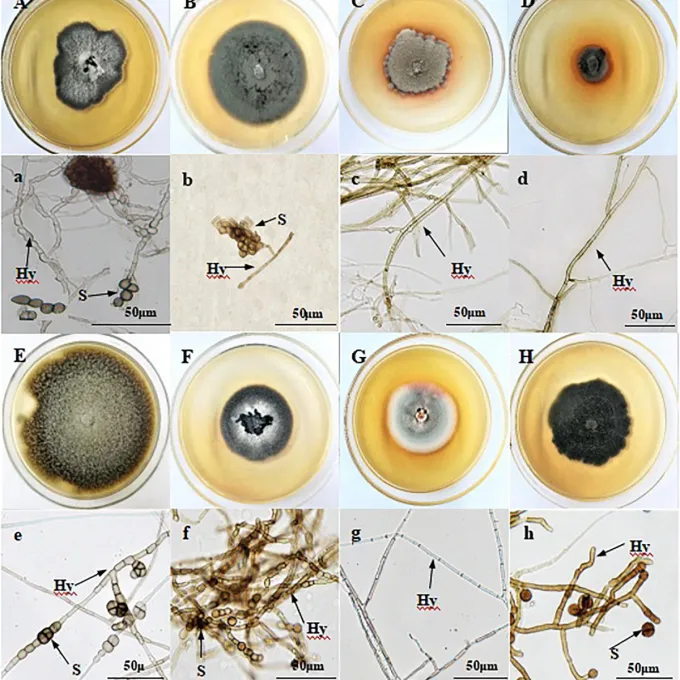
Description
Symptoms
Symptoms typically begin with the appearance of depressed, dark-colored lesions on the bark of trunks and scaffold branches. Over time, these areas become elongated and may cause the bark to crack or flake off.
Gummosis, or the exudation of sap, is a common reaction to the fungal presence. This creates sticky, amber-colored drops on the surface of the bark, which can eventually harden, indicating significant stress to the vascular system.
Small, black, pimple-like structures known as pycnidia appear on the surface of the affected bark. These are reproductive structures that release mass amounts of spores during periods of high humidity.
In terms of foliage, infected trees exhibit wilting, chlorosis, and premature leaf drop on affected limbs. If the infection circles the branch (girdling), the entire part of the branch distal to the lesion will die.
Fruit symptoms include dark, sunken spots that may grow rapidly. Affected fruit often mummify and remain attached to the tree, serving as a significant source of inoculum for the following year.
Pathogen
The causative agent of this disease is the fungus Paraboeremia putaminum (often referred to in older literature by synonyms like Phoma putaminum). It belongs to the coelomycetes, characterized by the production of spores in specialized structures called pycnidia.
The pathogen has a wide host range within the Rosaceae family, specifically affecting stone fruit species such as peaches, apricots, cherries, and plums. It acts as both a saprophyte on dead tissue and a parasite on weakened branches.
Infection is initiated by conidia, which are dispersed primarily by water splashes and rain during the growing season. The fungus establishes itself in the bark and cambial layers, leading to localized necrosis.
The survival of the pathogen is ensured by its ability to persist in mummified fruits, leaf litter, and necrotic bark lesions for several seasons. This makes the orchard a perpetual reservoir for the disease if sanitation is ignored.
Genetic research indicates that the fungus is highly adaptable, allowing it to survive under various environmental conditions and colonize new tissue as soon as the host's natural defenses are compromised.
Conditions for development
Moisture is the primary driver for the development and spread of Paraboeremia putaminum. Frequent rainfall, high humidity, and prolonged dew periods provide the necessary environmental trigger for spore release and germination.
Physical injuries serve as the main entry points for the fungus. Bark cracks resulting from frost, improper pruning wounds, or damage caused by pests facilitate the rapid entry of mycelia into the tree’s internal tissues.
Dense canopy structures with poor airflow prevent the rapid drying of plant parts, creating a humid microclimate that favors infection. This is why canopy management is critical in disease-prone orchards.
Trees that are under physiological stress, such as those suffering from poor nutritional management or water deficiency, are significantly more susceptible. Their weakened immune response allows the fungus to spread more aggressively.
Temperature plays a secondary role, though moderate temperatures usually accelerate the metabolic activity of the fungus, leading to a faster progression of the dieback symptoms in the spring and early summer.
Why it matters
The primary economic impact is the progressive dieback of scaffold branches, which reduces the photosynthetic area of the tree and leads to a decline in overall fruit production over successive seasons.
In cases of severe infestation, the disease can lead to the total loss of the tree. This necessitates premature removal and replanting, which represents a significant financial investment for the orchard owner.
Fruit damage directly impacts marketability. Spotted or necrotic fruit cannot be sold as fresh produce, leading to substantial yield losses during harvest and storage due to secondary rot organisms.
The disease weakens the tree's vigor, making it vulnerable to secondary infestations by wood-boring insects, which further exacerbates the damage and can kill a tree that might have otherwise survived the fungus.
The recurring nature of the disease requires continuous management and monitoring, which adds to the operational costs of orchard maintenance and reduces the overall profitability of the farm.
Protection
Sanitation is the most effective management strategy. All dead or dying branches must be pruned back into healthy wood, ensuring that tools are disinfected between cuts to prevent cross-contamination.
Removed plant material must be burned or destroyed immediately rather than left in the orchard, as the fungus can produce spores on infected branches for a long time after they have been cut.
Fungicide applications, particularly those containing copper, should be scheduled before bud break to create a protective barrier on the bark, preventing the initial infection of the season.
Cultural practices that promote tree health, including balanced fertilization and proper irrigation, help to boost the tree's natural resistance. Maintaining an open canopy through pruning improves airflow and drying rates.
- Prompt removal of mummified fruits.
- Painting trunks with protective mixtures.
- Regular inspection for signs of gummosis.
- Controlling insect pests that damage the bark.
Discussion
No discussions yet — be the first.