
Papulosa
Papulosa
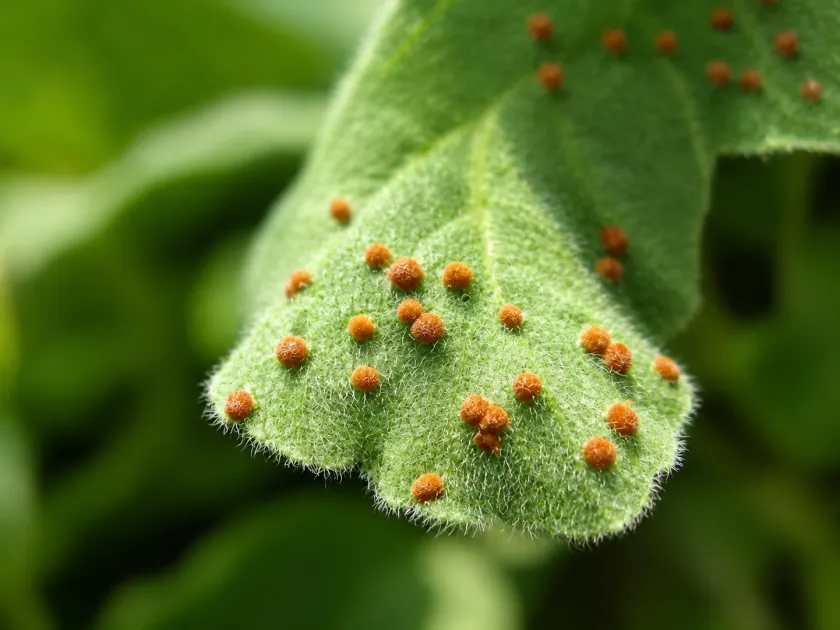
Description
Symptoms
The primary symptom of papulosa is the formation of characteristic blisters or papules on leaves, stems, or fruits. These growths appear as local tissue swellings that can be singular or clumped together in larger clusters.
The color of these lesions ranges from pale green or yellow to brown or dark mahogany. As the disease progresses, the surface of the papules often becomes corky or woody, frequently developing micro-cracks due to tissue expansion.
Unlike standard necrotic spots, papulosa is marked by significant tissue hyperplasia. Early signs appear as small bumps that gradually enlarge, often causing the surrounding leaf tissue to yellow or chlorose.
Extensive papulosa development significantly impairs the plant's photosynthetic capacity. When the surface area of the leaves is covered in these lesions, the plant struggles to produce sufficient energy for growth and fruit development.
Stems affected by the disease often exhibit deformity or structural weakness. This can interfere with the vascular system's ability to transport water and nutrients efficiently throughout the plant.
Pathogen
Papulosa can be either a physiological disorder or an infectious disease. In many cases, specific pathogenic fungi or bacteria are responsible for triggering the host plant's defense mechanism, resulting in hyperplastic growth.
Physiological papulosa is often caused by environmental stress, particularly when root pressure exceeds the rate of transpiration. This water imbalance forces cells to swell and eventually rupture, leading to the formation of characteristic scars.
Infectious forms are caused by microscopic pathogens that infiltrate the plant epidermis. The plant reacts to this invasion by rapidly dividing cells in the infected area to wall off the pathogen, creating the visible bumps.
Pathogen spores often overwinter in soil debris or on infected plant materials. During the growing season, they are spread by wind, rain splashes, or contaminated tools, allowing the disease to reach new hosts.
Accurate identification is crucial because symptoms can mimic other disorders. Laboratory analysis is often necessary to distinguish between physiological damage and active fungal or bacterial infection.
Conditions for development
High humidity is the most significant factor facilitating the development of papulosa. Excessive moisture prevents proper leaf transpiration, leading to fluid accumulation within the tissues and subsequent cell rupture.
Poor ventilation, especially in greenhouse environments or dense outdoor plantings, significantly increases risk. Stagnant air allows moisture to linger on foliage, creating a perfect micro-environment for pathogen growth.
Temperature fluctuations between day and night cycles act as a stressor that can trigger the disorder. Plants struggling to adapt to these shifts are more susceptible to both physiological and biological forms of papulosa.
Nutrient imbalances, particularly excessive nitrogen, promote rapid and succulent growth. Such tissues are structurally weaker and more prone to the cellular stress that leads to papule formation.
Insufficient lighting can cause plants to become etiolated and vulnerable. Weakened plants have lower internal resistance, making them easier targets for the pathogens that cause this disease.
Why it matters
The economic impact of papulosa is primarily observed in reduced crop quality and overall plant vigor. Fruits affected by papulosa are often rejected by consumers due to their unsightly appearance and rough texture.
In terms of production, the loss of photosynthetic area leads to stunted fruit growth and reduced yields. The plant invests energy in forming the protective papules rather than producing a harvestable crop.
Chronic infection weakens the plant's immune system, leaving it open to secondary opportunistic infections. Fungi and bacteria often settle in the cracked tissue of old papules, leading to more severe rot.
For ornamental plants, the damage is purely aesthetic but highly destructive to value. Affected specimens may lose their marketability and require extensive pruning or disposal.
Early-stage detection is vital to prevent long-term damage to the crop. If left untreated, the cumulative stress can eventually lead to the premature death of the affected plant.
Protection
Effective management begins with strict environmental control. Maintaining adequate airflow and keeping humidity levels within optimal ranges significantly reduces the incidence of the disease.
Water management is critical; avoiding over-irrigation and ensuring well-draining soil are essential practices. This prevents the physiological pressure that leads to cell swelling and rupture.
If the disease is infectious, the application of copper-based or systemic fungicides may be necessary. These treatments should be applied at the first signs of symptoms to stop the spread.
Sanitation plays a major role in controlling the disease. Removing and destroying infected plant parts prevents the buildup of pathogen inoculum in the growing area.
General management practices include:
- Balanced fertilization programs.
- Regular cleaning of pruning tools.
- Strategic planting density.
- Use of disease-resistant varieties.
Discussion
No discussions yet — be the first.