
Panaeolus papilionaceus
Panaeolus papilionaceus
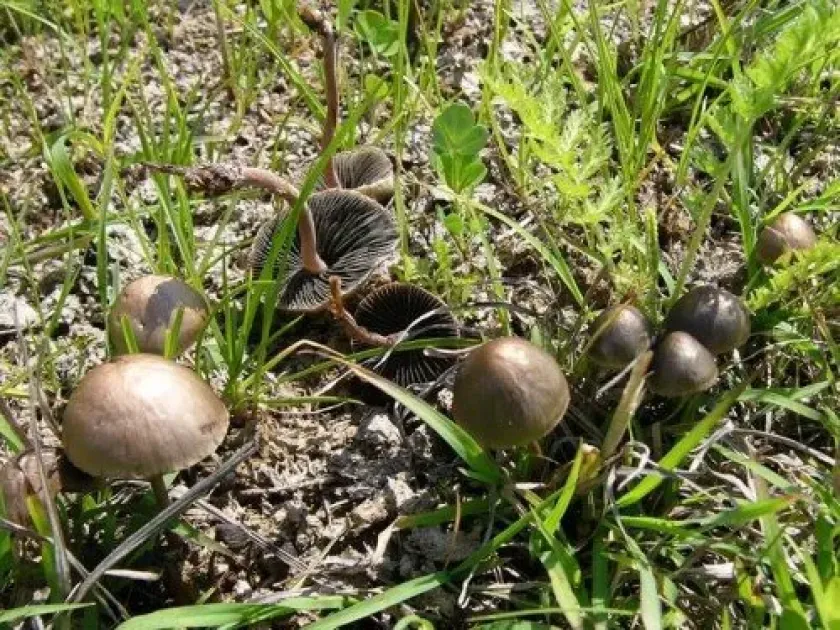
Description
Pathogen
Panaeolus papilionaceus is a common mushroom species that acts as a saprotroph within various soil environments.
It is not a plant disease, and it does not possess the biological mechanisms required to infect living plant tissues or crops.
In agricultural science, it is recognized as a decomposer that facilitates the breakdown of organic matter rather than a parasite.
The fungus relies exclusively on dead organic material, such as manure or decaying plant debris, for its nutritional requirements.
Because it lacks pathogenic capabilities, it does not fit the criteria of a disease-causing agent in any agricultural context.
Conditions for development
The development of the mycelium is primarily driven by high moisture content and a rich supply of decaying organic matter in the soil.
It thrives in environments where agricultural practices involve heavy manure application or leaving significant post-harvest residues.
Optimal growth conditions include temperate weather patterns with consistent humidity levels during the spring and autumn months.
The fungus requires sufficient soil aeration, which explains why it is often found in fields that are well-tilled or loose.
Its presence is a biological indicator of high organic activity and nutrient cycling within the specific soil profile.
Why it matters
There is no evidence of harm to crops caused by this fungus, as it maintains no interaction with live plant root systems or foliage.
It does not consume vital nutrients that would otherwise be used by agricultural crops to sustain their growth cycle.
The fungus does not produce any toxins that could negatively influence the health or development of neighboring plant life.
Farmers do not need to worry about yield loss or quality reduction associated with the presence of this mushroom in their fields.
It is considered an ecologically neutral or beneficial organism rather than a threat to agricultural productivity.
Protection
No pest management or control strategies are required for this species due to its lack of pathogenicity toward crops.
If its appearance on the field surface is considered undesirable, basic cultivation practices such as tilling will naturally disrupt the mycelium.
Ensuring that manure is fully composted before application can significantly reduce the potential for the fungus to fruit.
Managing soil drainage effectively helps to maintain levels that are less favorable for mushroom fruiting body development.
Using fungicides to target this fungus is unnecessary and counterproductive to maintaining a healthy soil biome.
Discussion
No discussions yet — be the first.