
Blue meanie
Panaeolus cyanescens
Description
Pathogen
Blue meanie (Panaeolus cyanescens) is a basidiomycete fungus classified as a coprophilous saprotroph. It is not a plant pathogen and does not cause diseases in agricultural crops.
This organism functions as a decomposer, breaking down organic matter in the soil and contributing to nutrient cycling within pasture ecosystems.
The mycelium of Panaeolus cyanescens thrives in substrate-rich environments, particularly those containing dung from herbivores or heavily enriched organic soils.
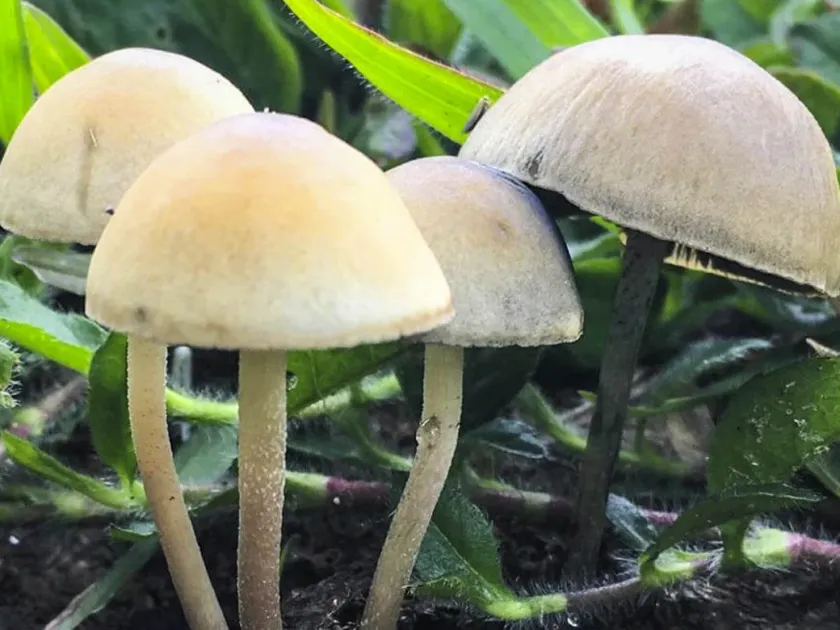
The fruit bodies are characterized by thin, fragile stems and small caps that turn a bluish color when bruised due to the oxidation of psychoactive compounds.
Biologically, it is a non-parasitic fungus that depends entirely on pre-existing organic decay rather than infecting live plant tissues.
Conditions for development
The growth of this fungus requires specific environmental conditions, typically temperatures between 20°C and 30°C combined with high ambient humidity.
Herbivore excrement acts as the primary substrate, providing the necessary nitrogen levels for the mycelium to establish and fruit successfully.
Spore dispersal is primarily mediated by wind and insect vectors, allowing the fungus to colonize new areas rapidly when environmental conditions are optimal.
Overgrazing without proper pasture rotation creates an accumulation of organic waste, which provides an ideal habitat for the proliferation of this species.
Soil moisture levels are critical; the fungus remains dormant during dry spells and reactsivate quickly once rain or high irrigation levels return.
Why it matters
The main danger posed by this species is the presence of psychoactive alkaloids, which can be toxic if accidentally consumed by livestock grazing in infested fields.
While it does not attack crops directly, dense mycelial growth can temporarily alter the availability of soil nutrients, slightly affecting local grass production.
Pasture hygiene is a concern when these fungi appear, as they indicate high organic debris levels that may require management to ensure livestock safety.
There is no economic damage to agricultural yields in terms of plant health, making it an ecological rather than an agronomic issue.
The presence of these mushrooms is often considered a sign that the pasture requires better management of organic waste to maintain optimal fodder conditions.
Protection
The primary control method is strict pasture hygiene, which involves removing or scattering dung to reduce the available substrate for mycelial growth.
Implementing rotational grazing systems helps to manage nutrient distribution and prevents the buildup of organic materials favored by the fungus.
Mechanical soil cultivation, such as harrowing or disking, is highly effective at disrupting the fungal mycelium and preventing the development of fruit bodies.
- Proper manure management.
- Rotation of livestock grazing zones.
- Monitoring soil moisture levels in sensitive grazing areas.
Chemical control is generally discouraged and rarely necessary, as environmental management practices are sufficient to minimize the presence of these fungi in agricultural settings.
Discussion
No discussions yet — be the first.