
Panaeolus
Panaeolus
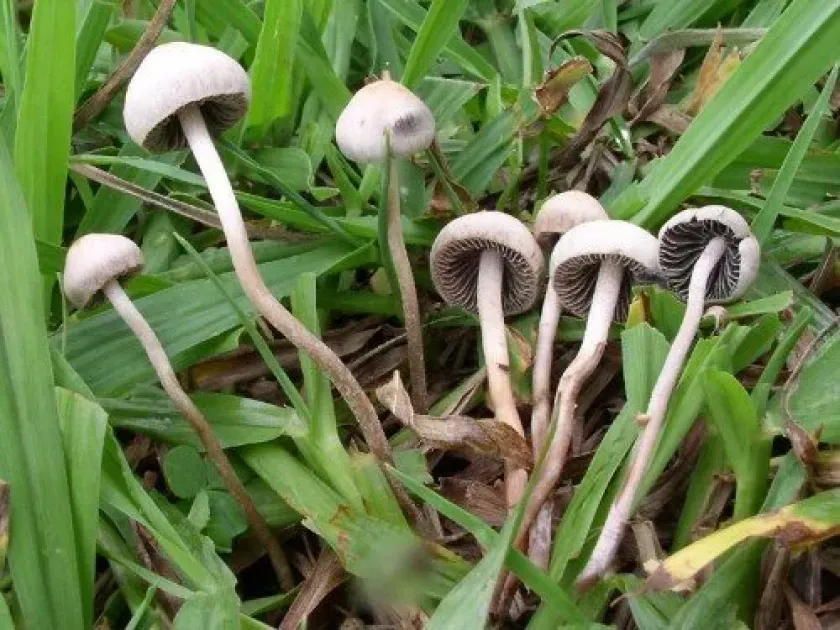
Description
Pathogen
The genus Panaeolus belongs to the family Agaricaceae and consists of gilled mushrooms that are widely distributed. It is critical to clarify that Panaeolus is not a plant disease.
These organisms are saprotrophs, meaning they obtain nutrients by decomposing dead organic matter rather than attacking living plant tissues.
They act as essential decomposers in nature, breaking down complex organic materials into mineral nutrients that become available for plant uptake.
The mycelium of Panaeolus does not possess the physiological mechanisms to parasitize crop plants, roots, or stems, making them harmless to agriculture.
While often found in agricultural settings, they are simply part of the soil microbiome and should not be mistaken for phytopathogenic fungi.
Conditions for development
Panaeolus species thrive in environments rich in organic matter, such as manured soil, compost heaps, and well-fertilized garden beds or pastures.
High soil moisture combined with mild temperatures provides the ideal conditions for the rapid development of their fruit bodies.
They are frequently observed after periods of consistent rainfall when the air humidity remains high enough to support fungal growth.
Open fields, meadows, and lawns with high nitrogen content are the most common habitats for this genus during the growing season.
As the soil dries out, the visibility and activity of the mycelium naturally decrease until the next period of favorable weather conditions.
Why it matters
Panaeolus poses no threat to crop health or yield, and its presence does not warrant the use of chemical pesticides or fungicides.
Because they are not parasites, they do not cause decay, wilt, or necrosis in any cultivated vegetable, fruit, or ornamental plant species.
The only potential issue is the visual presence of mushrooms, which may be unwanted on aesthetic grounds in lawns or manicured gardens.
Some species within the genus contain psychoactive compounds, which makes them hazardous if ingested by humans or livestock.
Their presence can be viewed as an indicator of high soil organic content or poor drainage, which might be detrimental to specific sensitive crops if left unmanaged.
Protection
Since Panaeolus is not a plant pathogen, no specific plant protection measures are required to manage its presence in agricultural fields.
If you wish to reduce their population, improving soil drainage and ensuring adequate aeration of the topsoil are the most effective strategies.
Reducing the application of raw organic matter or fresh manure in the top layer of the soil can prevent the creation of ideal growth substrates.
Regular cultivation and hoeing of the soil surface help dry out the environment, making it less hospitable for fungal development.
Manual removal of the fruit bodies is the simplest method for clearing an area if their presence is deemed aesthetically undesirable.
Discussion
No discussions yet — be the first.