
Panaeolina
Panaeolina
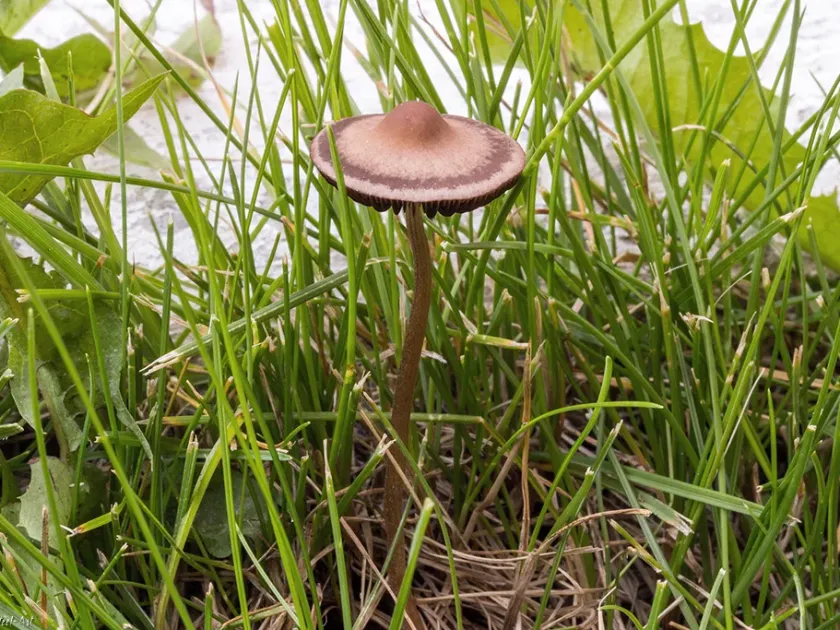
Description
Symptoms
The primary symptom of infection is the decline of plant vigor. Affected crops typically exhibit yellowing of leaf tips and a gradual reduction in height.
Visible mycelial growth, often appearing as a thin, white web, may be observed at the base of the stems during humid conditions, especially after heavy morning dew.
Roots may show signs of browning or tissue decay, which impairs the plant's ability to uptake water and nutrients, leading to midday wilting.
The development of small, dark brown fruiting bodies (mushrooms) in the vicinity of the crop is a definitive sign of established fungal colonization in the soil.
Patchy growth and uneven crop maturity across the field are key indicators that localized fungal activity is interfering with the root system development.
Pathogen
The genus Panaeolina consists of fungi belonging to the Bolbitiaceae family. While primarily saprotrophic, they are frequently encountered in agricultural soils where they interact with decomposing organic matter.
The most prominent species, Panaeolina foenisecii, is commonly associated with lawns and grasslands. In agricultural settings, it can colonize the rhizosphere of various grass species.
As a basidiomycete, it reproduces via spores that are wind-dispersed, allowing it to colonize new areas efficiently during favorable climate conditions.
The biological nature of this fungus relies on the breakdown of cellulose and lignin. Its mycelium can remain dormant in the soil for extended periods until moisture levels become optimal.
Understanding its role in the soil food web is crucial, as its activity is often a sign of high organic content and moisture levels that might also favor other more aggressive pathogens.
Conditions for development
High soil moisture is the primary driver of development. Sustained wet periods facilitate spore germination and rapid mycelial spread through the upper soil layers.
Optimal temperatures for growth range between 15°C and 25°C. These conditions allow the fungus to dominate the local microflora in favorable environments.
Poorly drained soils or areas with high amounts of uncomposted plant residue provide the essential substrate needed for the fungus to thrive throughout the growing season.
Soil aeration is a critical factor; compacted soil layers can create localized zones where the fungus outcompetes beneficial microorganisms.
Soil pH plays an important role, with neutral to slightly acidic conditions generally supporting the successful lifecycle of these fungal organisms.
Why it matters
The main impact is the inhibition of root development, which significantly reduces the yield potential of cereal and forage crops.
Infected plants become more susceptible to environmental stressors such as drought, extreme heat, and other secondary pathogenic infections.
The presence of certain fungal metabolites can affect the quality of forage crops, potentially rendering them unsuitable for livestock consumption due to toxicity risks.
Significant infestations can lead to crop failure in specific zones, necessitating costly re-sowing procedures and disrupting the seasonal production schedule.
Long-term colonization alters the biological equilibrium of the soil, which can decrease the overall fertility and productive capacity of the land.
Protection
Deep plowing remains the most effective cultural practice to disrupt the mycelial network and promote the decomposition of plant residues under the soil surface.
Implementing a diverse crop rotation cycle breaks the survival chain of the fungus by limiting its access to specific host root systems over time.
Soil pH management, including liming, is highly effective in altering the environment to be less conducive to the growth of soil-borne fungi.
Improving field drainage is essential to prevent waterlogging, which is a major precursor to the colonization of crops by soil-borne basidiomycetes.
- Balanced application of NPK fertilizers.
- Regular monitoring of field moisture levels.
- Weed control to minimize alternate hosts for pathogens.
- Removal of infected crop debris after harvesting.
Discussion
No discussions yet — be the first.