
Ophiodothella
Ophiodothella
Description
Symptoms
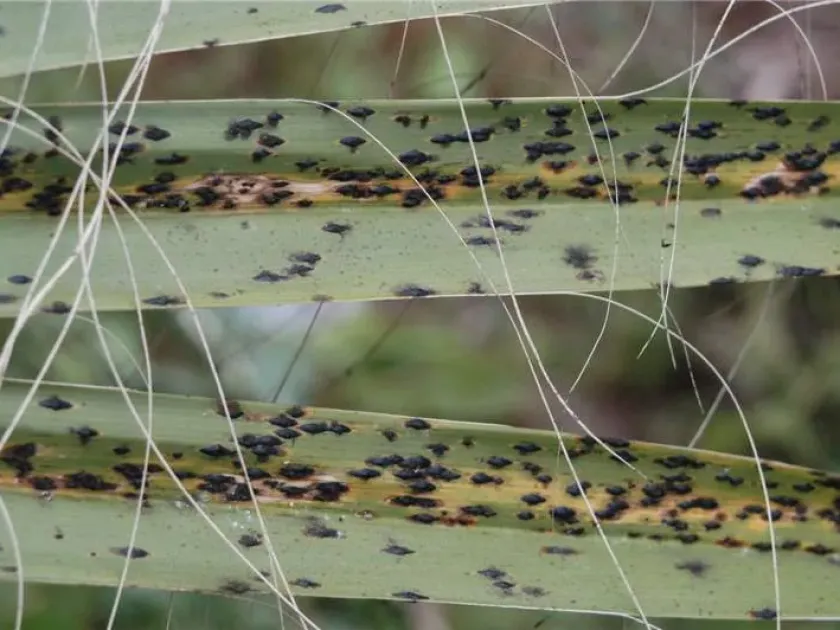
The primary symptom of an Ophiodothella infection is the formation of distinct leaf spots. These spots often feature a chlorotic halo, which is a classic indicator of the host's reaction to the fungal presence.
A distinctive diagnostic feature is the appearance of small, dark, raised structures known as ascomata within the lesion areas. These structures indicate the maturity of the fungal life cycle and are key for identification.
As the disease progresses, the necrotic tissues within the spots may become brittle, causing the leaf tissue to tear or fall out, a phenomenon often described as shot-hole symptoms in some affected plants.
Severe infestations can lead to premature yellowing and dropping of leaves. This reduction in the canopy area significantly compromises the plant's ability to undergo photosynthesis, leading to overall stunted growth.
Symptoms are typically present on both the upper and lower surfaces of leaves. While individual spots may start small, they often coalesce under favorable conditions, covering large areas of the foliage.
Pathogen
Ophiodothella is a genus of ascomycetous fungi that acts as a plant pathogen. These fungi are known for causing specific leaf spot diseases in various plant species, disrupting the normal physiological activities of the host plants.
The life cycle of the pathogen is closely tied to host plant residues. The fungus survives the dormant period in the form of stromata found on fallen leaves or stems, ensuring its persistence in the environment from one season to the next.
Infection begins when ascospores are dispersed by wind or rain splashes to susceptible host tissues. Once attached, the fungus penetrates the epidermal layer to establish its mycelium within the leaf tissue, leading to disease progression.
The growth of the pathogen inside the plant is typically slow and persistent, which often results in chronic infections. The fungus extracts nutrients from the host, which directly negatively impacts the plant's metabolic processes.
Taxonomically, the genus belongs to the family Phyllachoraceae. Its specialized adaptation to specific hosts makes it a significant concern in both nursery settings and open-field agricultural production.
Conditions for development
Ophiodothella outbreaks are highly dependent on high moisture levels. Periods of prolonged rainfall, heavy dew, and high humidity provide the necessary environment for spore germination and infection.
Temperatures ranging from 18°C to 25°C are considered optimal for the development and spread of the pathogen. These temperate conditions frequently align with the active growing season of many crops.
Poor ventilation within dense crop canopies creates a microclimate that remains humid for extended periods. This lack of airflow prevents the foliage from drying out, allowing the fungus more time to infect the plant tissue.
Plants that are already under stress due to poor nutrition or unfavorable soil conditions are more susceptible to Ophiodothella. Weakened defenses make it easier for the fungal mycelium to penetrate and colonize host tissues.
The lack of crop rotation contributes to the accumulation of inoculum in the soil. Without intervention, fields can become a persistent source of infection, making disease management increasingly difficult over time.
Why it matters
The harm caused by Ophiodothella is primarily related to the reduction in total leaf area and photosynthetic capacity. This loss results in decreased crop yields and potentially lower quality of produce, such as fruits or seeds.
In perennial crops, the disease can lead to long-term decline and increased vulnerability to winter injury. Continuous stress from the pathogen exhausts the plant's energy reserves, leading to overall weakened vitality.
Economic losses arise not only from reduced quantity but also from the degradation of aesthetic and market value. For ornamental or fruit crops, visible spotting makes the produce unacceptable for sale.
Infection during the early vegetative stage can stunt a plant’s development, leading to delayed maturity. Such setbacks are particularly costly in commercial agriculture where timing and consistency are essential.
Repeated annual infections create a vicious cycle of plant deterioration. By the time visual symptoms become severe, the fungus may have already significantly impacted the plant's health, making recovery difficult.
Protection
Effective management begins with strict sanitation practices. Removing and destroying infected plant debris is crucial, as this practice eliminates the primary inoculum source that would otherwise survive the winter.
Crop rotation is a fundamental tool for controlling the pathogen. By alternating susceptible crops with non-host plants, the life cycle of the fungus is interrupted, significantly reducing its population in the field.
Fungicidal treatments can be effective when applied preventively during high-risk periods. It is important to utilize a variety of chemical classes to prevent the development of resistant fungal strains.
- Maintaining proper plant spacing to improve air circulation.
- Using balanced fertilization to keep plants vigorous and resilient.
- Regular monitoring of fields to detect early infection symptoms.
- Deep plowing to bury infested residues and accelerate decomposition.
Improving irrigation management to avoid wetting the foliage is also vital. By keeping the leaves dry for as long as possible, you minimize the window of opportunity for the fungus to establish an infection.
Discussion
No discussions yet — be the first.