
Ophiocytium
Ophiocytium
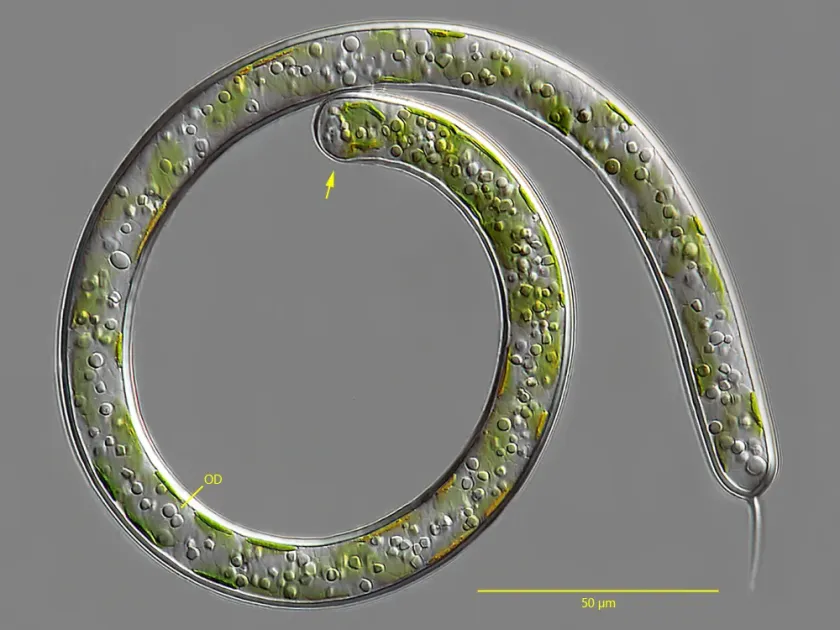
Description
Symptoms
The primary symptom is the appearance of a visible, slimy green or brownish film or crust on the surface of the soil or growing medium.
Affected plants often show a reduction in vigor, characterized by stunted growth and yellowing of the lower foliage.
The base of the stem or root collar may show discoloration or a slimy coating, which impairs the plant's ability to maintain structural integrity.
In seedling stages, the infection can lead to damping-off symptoms, where the base of the stem becomes soft and collapses.
Roots may appear discolored or exhibit reduced lateral branching due to the lack of oxygen caused by the algal mat covering the soil.
Pathogen
The disease is caused by members of the Ophiocytium genus, which are specialized filamentous yellow-green algae from the class Xanthophyceae.
These organisms exist as individual cells or simple filaments and have the capacity for mobility during their complex life cycle.
While often considered part of the natural soil biota, under excessive moisture conditions, they can form dense mats that interfere with plant growth.
The biology of this pathogen relies on thin films of water, which are essential for its proliferation and spreading across the soil surface.
They can persist in the environment through resistant cyst stages, enabling the algae to remain dormant until favorable moisture conditions return.
Conditions for development
High soil moisture combined with poor drainage is the primary driver for the development and spread of Ophiocytium colonies.
Low light intensity and stagnant air conditions in greenhouses or nurseries significantly accelerate the colonization of the substrate surface.
Excessive use of nitrogen-rich fertilizers contributes to rapid algal growth, creating an nutrient-rich environment for the pathogen.
Compacted soils with poor structure facilitate water logging, which creates the required micro-environment for the algae to thrive.
Temperatures ranging from 15°C to 22°C are generally considered optimal for the rapid vegetative multiplication of these organisms.
Why it matters
The main agricultural damage stems from the loss of young seedlings, which forces replanting and increases operational costs.
The surface crust formed by the algae prevents gas exchange, leading to root hypoxia and decreased nutrient uptake efficiency.
Plants weakened by algal mats are significantly more susceptible to secondary infections by soil-borne pathogenic fungi and bacteria.
Reduced quality of the crop and poor aesthetic appearance are critical issues for commercial vegetable and ornamental plant growers.
Economic impact includes direct crop losses, increased labor requirements for management, and the need for expensive chemical treatments.
Protection
Management focuses primarily on improving drainage systems and strictly regulating irrigation schedules to ensure surface drying.
Regular mechanical cultivation of the soil surface helps to disrupt the algal mat and promotes better aeration of the root zone.
Chemical control involving copper-based fungicides or specialized algaecides can be effective when applied according to local regulations.
Adopting balanced fertilization programs is essential to prevent the accumulation of nutrients that favor algal proliferation on the soil surface.
- Enhancing greenhouse ventilation.
- Improving soil structure and drainage.
- Using sterilized substrates for young seedling production.
Discussion
No discussions yet — be the first.