
Ophiocordyceps fungi
Ophiocordycipitaceae
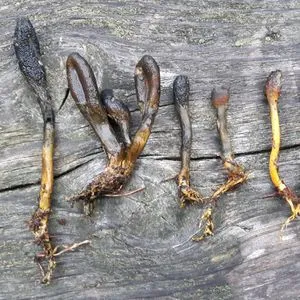
Description
Symptoms
Symptoms of infection often begin with subtle changes in leaf color, such as localized chlorosis. As the fungus progresses, these areas may turn into necrotic lesions with a distinct texture.
A hallmark sign is the development of abnormal growth or deformations on the plant's surface. In advanced stages, fungal reproductive structures may emerge as small, hardened growths from the host tissue.
Vascular distress is another common symptom, characterized by premature wilting that does not respond to irrigation. This occurs when the fungal hyphae obstruct the xylem or phloem pathways.
In humid conditions, a fine fungal mat or powdery coating may become visible on the stems or undersides of leaves. This represents active sporulation, a sign that the pathogen is spreading.
Diagnosis often requires careful observation of the lesion patterns and sometimes laboratory incubation to confirm the presence of specific fungal structures associated with Ophiocordycipitaceae.
Pathogen
The family Ophiocordycipitaceae belongs to the order Hypocreales. While many members of this family are well-known entomopathogens, some species are associated with plant tissues, acting as potential phytopathogens.
The pathogen utilizes a mycelial structure to colonize the host plant, deriving nutrients from living cells. This biological interaction disrupts the host's standard physiological processes and nutrient transport mechanisms.
The life cycle involves the production of ascospores, which are critical for the spread of the fungus. These spores are dispersed by environmental factors such as wind, rain, or physical contact with insects and tools.
Molecular taxonomy continues to categorize these fungi precisely, helping agronomists identify which strains pose a risk to specific crops. Understanding the genetic diversity is key to developing targeted interventions.
Morphologically, the fungus often develops specialized structures, such as stromata, which protect the reproductive organs and allow the pathogen to survive adverse seasonal conditions until a suitable host is found.
Conditions for development
The primary driver for the development of these fungi is high relative humidity. Moist environments, particularly those with standing water on leaf surfaces, favor spore germination and infection.
Densely planted fields provide a microclimate where air circulation is restricted. This lack of airflow prevents foliage from drying out, creating a permanent zone of high moisture suitable for fungal growth.
Temperatures that remain consistently within the moderate range (typical of temperate growing seasons) often stimulate the metabolism and aggressive colonization of the fungus.
Physical wounding of the plant, often caused by pruning, insect damage, or hail, creates entry points. The fungus easily infiltrates the damaged tissue, starting the infection cycle.
Continuous monocropping allows the pathogen to establish a permanent reservoir in the soil or crop debris, significantly increasing the probability of infection in subsequent growing cycles.
Why it matters
The economic impact is primarily seen in the reduction of overall crop yield. Infected plants struggle to perform photosynthesis, leading to smaller, lower-quality fruits or grains.
Secondary damage occurs when the weakened plant tissue becomes susceptible to opportunistic rot and bacterial infections, further compromising the harvest quality.
Financial losses are compounded by the costs of additional fungicides and the labor required to monitor and treat the fields. In severe outbreaks, total loss of a crop section may occur.
Infection can also affect seed viability, making the harvest unsuitable for replanting. This creates a cycle where the infection is carried over from season to season if not managed correctly.
Long-term soil health may be affected if the pathogen alters the balance of beneficial soil microbiota, leading to overall reduced soil fertility in infested areas.
Protection
Crop rotation is the most effective cultural practice to disrupt the life cycle of the pathogen. By alternating with non-host crops, farmers can significantly reduce the infection pressure in the field.
Seed treatment with high-quality fungicides provides a protective barrier during the critical germination phase, preventing early-stage infections from soil-borne spores.
Field sanitation is essential; removing crop debris after harvest and destroying infected plants removes potential wintering sites for the fungus.
Optimizing plant spacing and pruning practices improves air circulation, ensuring that leaves dry quickly after rainfall or irrigation, which is crucial for preventing infection.
Integrated Pest Management (IPM) protocols, including the timely application of fungicides based on disease forecasting, are necessary to keep infection levels below the economic threshold.
Discussion
No discussions yet — be the first.